Owner & Founder
Date Published: 5/12/2026
Website optimization is all about enhancing your site to provide a seamless and enjoyable experience for visitors while meeting your business goals. It involves fine tuning various elements of your website to ensure it performs efficiently and effectively. Key areas of focus include improving site speed, creating an intuitive layout, and ensuring compatibility with search engines.
An optimized website design is one that loads quickly, allowing users to access information without unnecessary delays. It’s also structured in a way that makes navigation simple, so visitors can find what they need without frustration. Every element, from images to text, should work together to create a cohesive and engaging experience.
Another important aspect of optimization is accessibility. Your website should be designed to accommodate users of all abilities, providing features like alt text for images and keyboard friendly navigation. Not only is this essential for creating an inclusive experience, but it also supports compliance with web accessibility standards.
Search engine visibility is also tied closely to optimization. Ensuring that your website is built with clean code, appropriate tags, and quality content helps search engines understand and rank your site more effectively. By doing this, you can improve your chances of reaching the right audience.
Ultimately, website optimization is a process that brings together design, functionality, and strategy to meet the needs of both your audience and your business. With careful attention to these details, your website can become a valuable tool for driving engagement and growth.
Designing a professional looking optimized website doesn’t have to stretch your budget. Start by exploring website platforms that offer customizable templates, such as Wix, Squarespace, or WordPress. These platforms are intuitive, allowing you to create a polished site without needing coding expertise. Many of them also include built in features for design and functionality, reducing the need for additional tools.
To elevate the visuals on your site, take advantage of free or budget friendly resources. Stock photo libraries like Unsplash, Pexels, and Pixabay provide high quality images that can add a professional touch to your pages. Tools like Canva make it simple to create custom graphics, banners, and even branding elements, giving your site a unique and cohesive look.
If you’re working with a limited budget, prioritize elements that deliver the most impact. Focus on clean, easy to read typography and a well-organized layout. Opt for a minimalist design to keep your website looking modern and functional without the need for costly extras. Templates and tools often come with predesigned layouts that make it easier to achieve this balance.
Don’t forget to look for hosting providers that offer affordable plans while maintaining reliable uptime and customer support. These savings can help you allocate resources to other important areas of your business while still ensuring your website is engaging and professional.
With so many people relying on their smartphones to browse the web, ensuring your site adapts seamlessly to smaller screens is essential. Start by using responsive design techniques that automatically adjust your website’s layout to match the dimensions of any device. This ensures that images, text, and other elements scale properly without distorting or overlapping.
Pay close attention to navigation on mobile devices. Simplify menus and limit the number of options to avoid overwhelming users. Use clear, easy to tap buttons and links, spacing them far enough apart to prevent accidental clicks. Dropdown menus and collapsible sections can also help keep the layout clean while making it easier for visitors to explore your site.
Keep your content mobile friendly by breaking up large blocks of text into shorter paragraphs or bullet points. This makes it more digestible on smaller screens. Optimize media elements like images or videos so they load quickly, even on slower mobile networks.
Testing is crucial to make sure your site works well across different devices and screen sizes. Preview how your website appears on both iOS and Android operating systems, as well as tablets. This way, you can spot and fix potential issues before they impact your visitors. A well-functioning mobile site not only enhances the experience for your audience but also helps you reach more potential customers in an increasingly mobile first world.
A smooth and enjoyable user experience keeps website visitors engaged and encourages them to stay longer on your site. Start by ensuring your website’s structure is logical, so users can move effortlessly between pages. Group related content together and use visual cues, like icons or color accents, to guide attention to important areas.
When creating your optimized website design pages, avoid overwhelming visitors with too much information at once. Stick to a clean layout, leaving enough white space to make the content easier to digest. Include interactive elements, such as clickable buttons or links, to encourage users to explore further. These should stand out visually but still align with your site’s overall design.
Pay attention to how your site looks on various devices and screen sizes, ensuring that all features remain accessible and functional. Forms and interactive tools should be intuitive to use, with clear labels and instructions that reduce friction for visitors.
Make sure that any media or design elements don’t compromise your website’s performance. A slow loading feature can frustrate users and lead them to leave prematurely. Balance creativity with functionality by testing different design choices to see how they resonate with your audience.
Lastly, consider adding tools like chat widgets or quick contact links that make it simple for visitors to reach you. Personal touches like these can enhance the experience and help build trust with your audience.
Effective SEO practices help improve your website’s search engine rankings, making it easier for potential customers to find you. Start by crafting high quality, relevant content that addresses the needs and interests of your audience. Search engines prioritize value, so focus on creating informative, engaging content that naturally incorporates important keywords.
Ensure your website is structured in a way that search engines can easily navigate. This includes using clear headings, descriptive URLs, and properly formatted meta tags. Adding alt text to images not only enhances accessibility but also provides search engines with context about your visuals.
Internal linking is another simple yet powerful strategy. By linking to related pages within your site, you help website visitors discover more of your content while signaling to search engines that your pages are interconnected and valuable.
Page speed plays a crucial role in both SEO and user satisfaction. Compress images and limit heavy elements to ensure your site loads quickly. Many tools can help you identify slow loading pages and offer guidance on speeding them up.
Finally, keep an eye on your backlinks, links from other reputable websites to yours. These act as endorsements of your site’s credibility. Building strong, relevant backlinks can significantly boost your visibility in search results while enhancing your overall authority online.
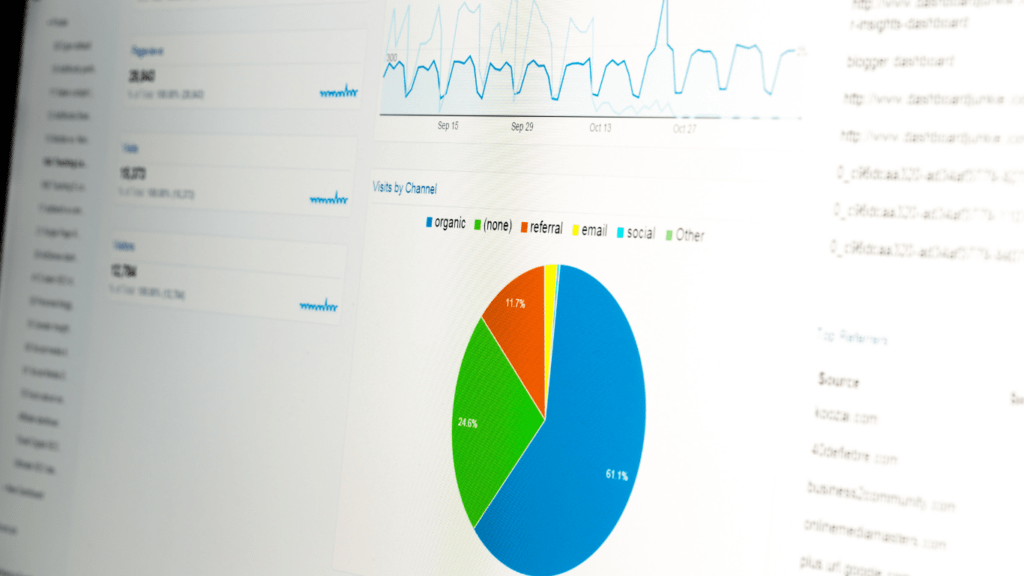
Analytics tools provide valuable insights into how visitors interact with your website, helping you make data driven improvements. By examining metrics like page views, bounce rates, and time spent on specific pages, you can pinpoint what’s working well and what might need adjustment. These insights allow you to optimize your content and layout to better align with your audience’s preferences.
Platforms like Google Analytics are popular for tracking website performance and offer detailed reports that highlight user behavior trends. For a more budget friendly or privacy focused option, tools like Matomo or Statcounter provide similar benefits while keeping costs low. Whichever tool you choose, focus on tracking key metrics that directly impact your business goals, such as conversion rates or form submissions.
Additionally, analytics can help you uncover patterns, such as which pages drive the most traffic or where visitors are dropping off. Use this information to refine your website’s navigation or improve underperforming areas. Periodically reviewing these metrics ensures that your website remains effective and continues to meet the needs of your audience.
Implementing an analytics tool doesn’t require a technical background, as most platforms offer step by step guides to get you started. Regularly checking your data empowers you to make smarter decisions for your site.
Design trends evolve quickly, and incorporating fresh ideas can help your website stay modern and inviting. A great way to stay informed is by following reliable design resources, such as blogs, webinars, or social media accounts dedicated to web design. These platforms often highlight emerging styles, tools, and techniques that can be applied to improve your site.
Small adjustments can make a big difference in maintaining an up-to-date appearance. For instance, experimenting with new color palettes, font styles, or subtle animations can instantly refresh your site without requiring a complete overhaul. Additionally, consider updating your content periodically, whether it’s through blog posts, case studies, or images, to ensure it reflects current trends and keeps your audience engaged.
Adopting tools that simplify these updates can also save time and effort. Many website platforms offer design enhancements or plugins tailored to current trends, which can be integrated with minimal technical skills.
Staying current doesn’t mean chasing every trend, it’s about selectively integrating elements that align with your brand while improving user experience. Regularly reviewing your site ensures that it continues to resonate with your audience, keeping it both functional and visually appealing in an ever-changing digital landscape.
As you can now see, having and maintaining an optimized website design is very important to keep a strong online presence in 2026 as well as the future. With a well optimized website design and strong social media management strategy, you are will on your way to building a solid foundation for the future of your company.
For more optimized website design and search engine optimization tips, be sure to read our following related articles. Also, don’t forget to check out our most asked questions with answers about an optimized website design.
An optimized website design is all about creating an online space that works seamlessly for your audience while supporting your business goals. It focuses on making your site visually appealing, easy to navigate, and efficient in converting visitors into customers. A well thought out design considers factors like mobile compatibility, fast loading speeds, and clear user pathways to ensure a positive experience for everyone who visits. By tailoring your website to meet the expectations of modern users, you set the stage for stronger connections with your audience and greater success in a competitive digital world.

A well optimized website focuses on creating a seamless experience for visitors, helping your business stand out even in a crowded market. With strategic design choices like fast loading times, intuitive navigation, and compelling visuals, you can build trust and capture the attention of potential customers. By prioritizing these elements, your website can convey professionalism and credibility, making a strong impression without requiring a large budget. This allows you to showcase your unique value effectively and compete with larger competitors on a more equal footing.
Use affordable platforms with predesigned templates to save on costs and simplify the design process. Focus on features that directly support your goals, like clear navigation and strong call to action buttons. Free or low-cost tools can help optimize images and improve loading speeds, ensuring a smooth user experience. When choosing design elements, prioritize functionality over complexity to create a professional, user friendly site without overspending.
Utilize user friendly platforms that simplify updates, enabling quick changes without technical expertise. Schedule small, regular blocks of time to focus on adjustments or content updates, keeping your site fresh without overwhelming your schedule. Leverage automation tools to streamline tasks like posting new content or managing email signups. If outsourcing is an option, collaborate with professionals who understand your industry and can deliver results efficiently. Prioritize tools and strategies that align with your goals and save valuable time.
To stay competitive in 2026, focus on enhancing usability and accessibility. Integrate clear navigation menus and ensure that all content is easy to find. Optimize multimedia elements like images and videos for faster load times without compromising quality. Incorporate accessible design principles, such as text readability and keyboard friendly navigation, to accommodate diverse user needs. Additionally, integrating AI powered personalization can create tailored experiences for visitors, helping your site feel more engaging and relevant to individual preferences.
Evaluate your website’s performance by examining metrics like user engagement, time spent on pages, and actions taken by visitors. Look for trends that show how well your design supports user needs and business goals. Tools like heatmaps can help you understand how users interact with different elements, highlighting areas for improvement. Regularly test and refine your site based on this data to ensure it continues to deliver a smooth, effective experience for your audience.
Be sure to sign up for our email list so that you don't miss out on our Informative Digital Marketing articles as well as our Tips & Specials!