Owner & Founder
Date Published: 7/28/2026
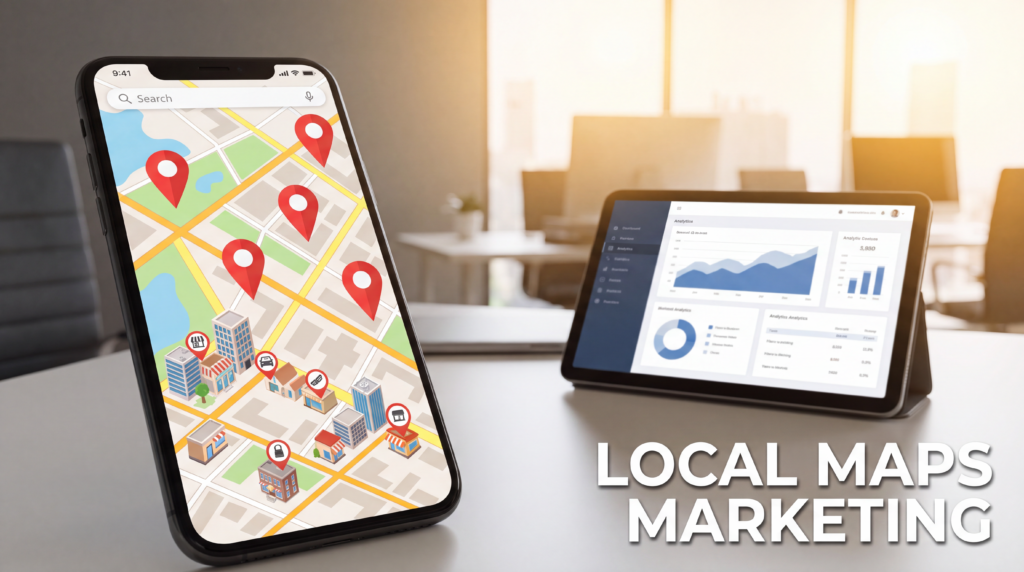
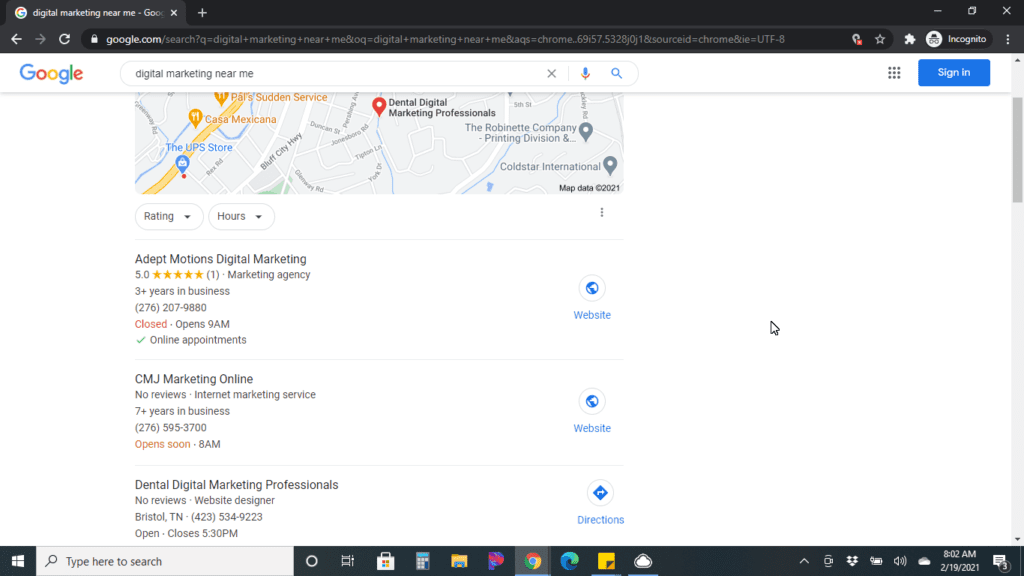
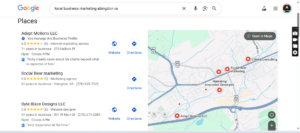
Let’s face it, running a business without local maps is like hosting a party and forgetting to give anyone your address. Sure, it’s still a party, but you’re dancing alone. Local maps are the digital equivalent of a neon “OPEN” sign, except they work 24/7 and don’t buzz annoyingly. They make it easy for people to find you, no compass required.
Think about it: these days, if someone wants a service or product, their first stop is their phone, not a smoke signal. And guess what they’re using? Yep, local maps. Whether its hungry folks looking for tacos or someone hunting down a mechanic at 7 a.m., maps are their guiding star. Without them, you’re just hoping someone wanders in like a stray cat.
Being on local maps doesn’t just help people locate you, it also tells them you’re legit. It’s like having a stamp that says, “We exist, and we’re open for business.” Plus, customers can check out your hours, reviews, and even your beautiful logo, all in one spot. It’s the kind of convenience that makes you a favorite before they’ve even walked through the door.
So, if your business isn’t on local maps yet, what are you waiting for? Smoke signals went out of style centuries ago.
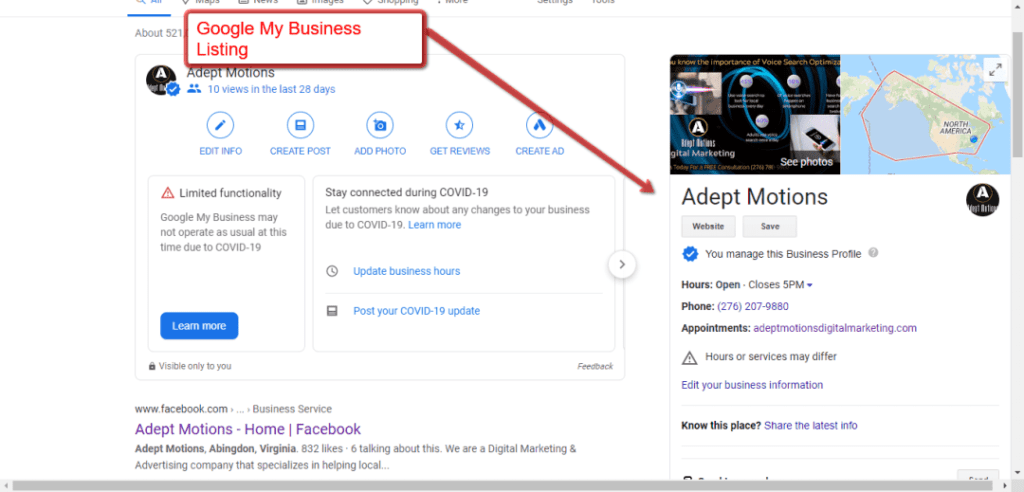
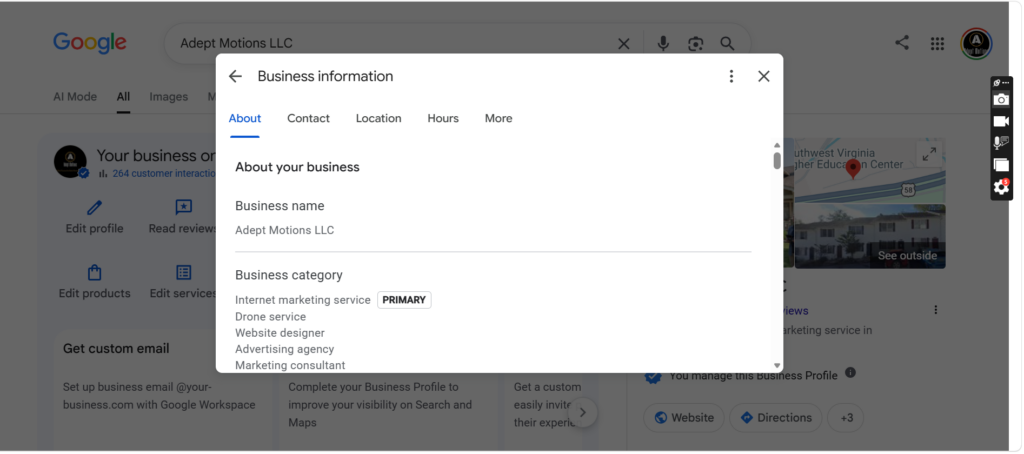
Let’s get your Google business profile looking sharper than your Sunday best. First things first, accuracy is key. Double check that your business name, address, and phone number (or as the pros say, NAP) are spot on. Typos here are like spinach in your teeth, noticeable and not doing you any favors. And while you’re at it, don’t forget to choose the correct category for your business. If you’re a bakery, don’t list yourself as a construction company unless your cupcakes come with blueprints.
Next, make your description count. This is your chance to show off, so go ahead and flex your uniqueness. Are you the only dog groomer in town who gives out free belly rubs? Say so! But remember, keep it professional. Skip the CAPS LOCK and exclamation points, this isn’t a middle school group chat. Sprinkle in a few relevant keywords, but don’t overdo it. Nobody wants to read a paragraph that feels like it’s trying to sell you “dog grooming” twenty times in one breath.
Oh, and don’t sleep on additional details. Fill out every field like you’re answering trivia questions for cash. Add your business hours, website link, and even a quick blurb about parking options if it’s tricky. Got special offers? Include those, too, because who doesn’t love a deal? The goal here is to make your listing so good that people feel like they already know your business before they even step inside. Easy, right?
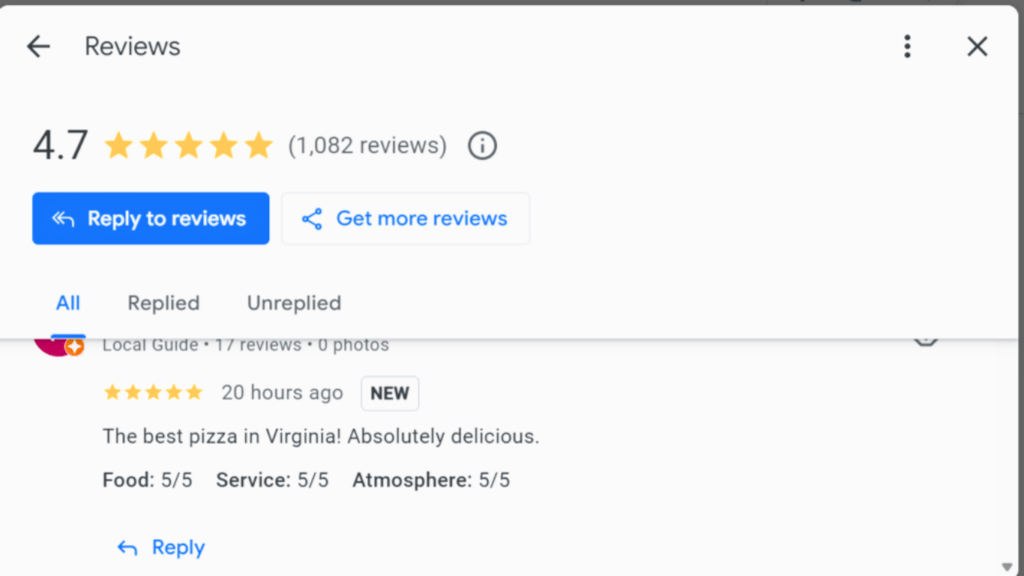
Let’s get real, customer reviews are like that nosy neighbor who tells everyone what’s happening, except this time, it actually works in your favor. When people see glowing reviews, they think, “Hey, if this place made someone happy enough to write a whole paragraph, maybe it’s worth checking out.” On the flip side, even less than perfect reviews can be useful. A thoughtful response to criticism can show potential customers that you’re human, not some faceless corporation lurking in the shadows.
Encouraging reviews doesn’t have to feel like pulling teeth. Sometimes, all it takes is a little nudge. Add a quick reminder on receipts, shoot out a friendly email, or post a cute sign at the register that says, “Love us? Tell the world. Hate us? Tell us so we can fix it.” And when those reviews start rolling in, don’t be that business owner who treats them like spam emails, respond to them! Thank the happy folks, and for the ones who had less than stellar experiences, respond with a sprinkle of humility and a dash of wit.
Oh, and pro tip: don’t write fake reviews. Not only is it super shady, but people can spot a phony faster than a knockoff handbag at a flea market. Keep it authentic, because the truth is way more convincing than a bunch of overly enthusiastic five-star reviews that sound like your cousin wrote them. Reviews are a conversation, so join in, and you might just win over more than a few hearts (and wallets).
If words are the appetizers, photos are the main course. Let’s face it, people scroll through content faster than a dog chasing a squirrel, and your visuals are what make them hit the brakes. Got a storefront? Show it off. Is your product the best thing since sliced bread? Prove it with some drool worthy close ups. And please, no blurry photos, this isn’t an art exhibit on “abstract confusion.”
Your visuals should tell a story. Think about it: when people can see your space, your team, or your products, they’re more likely to imagine themselves as part of the experience. If you’ve got a cozy coffee shop, snap a picture of that perfectly frothy cappuccino next to a sunny window. Own a boutique? Showcase those killer outfits in action. Your images should basically scream, “You need to be here, like, yesterday.”
And let’s talk about people for a second, customers love seeing happy, real humans enjoying what you offer. Stock photos might be easy, but nothing beats the authenticity of a genuine moment. Bonus points if you include some fun behind the scenes shots because who doesn’t love a good “how the sausage gets made” vibe (unless you’re actually making sausage, then maybe skip that one).
Oh, and don’t forget videos! A quick walkthrough of your business or a tutorial on how to use your products can seriously up your game. People love motion, it’s like photos, but with pizzazz. So, grab your phone, tidy up the space, and get snapping. Your camera roll should look like a love letter to your business, minus the mushy parts.
Look, we get it, life gets busy, and updating your business info probably falls somewhere between cleaning out your inbox and figuring out what’s for dinner. But trust us, keeping your information fresh is non-negotiable in local maps marketing. Imagine someone finds you on local maps, only to show up and discover your hours are wrong, or worse, you’ve moved across town. That’s not just a bad look; it’s like inviting someone to a party and forgetting to tell them you switched the venue. Awkward.
The good news? Updating your details is easier than putting together flat pack furniture. Just log in, fix what’s outdated, and hit save. Change your hours for holidays? Update it. Launch a shiny new website? Add the link. New phone number because spam calls finally broke you? Toss it in. The trick is to treat your business listing like a living, breathing thing, because if it’s stagnant, it’s basically gathering dust.
And while you’re at it, keep an eye on those customer reviews and photos that might pop up on your listing. You’d be surprised how much a rogue, blurry picture or an out of date special can throw people off. Stay on top of things, and your business will feel as dependable as your favorite pair of sweatpants. Comfortable, reliable, and always there when you need them.
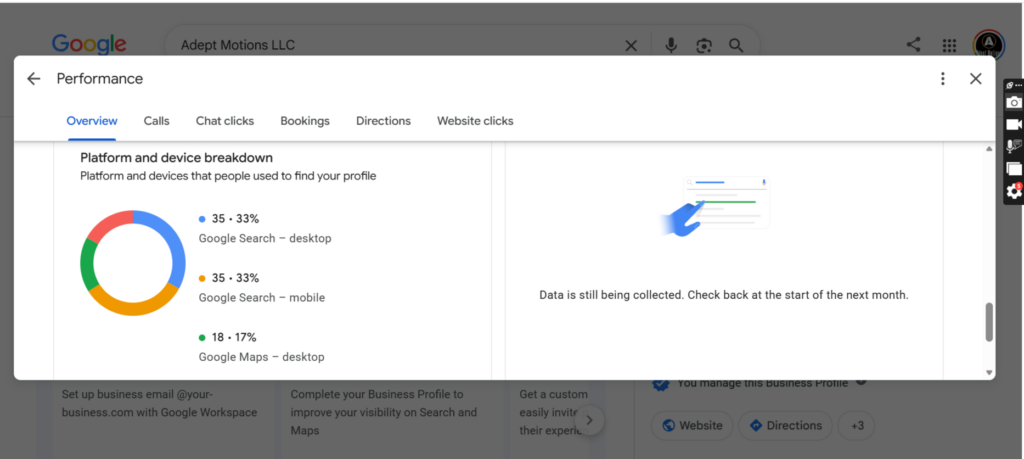
Let’s talk numbers, but don’t worry, this isn’t math class, and there’s no pop quiz. Analytics and insights are like your business’s personal GPS, showing you what’s working, what’s not, and where to go next. Think of it as getting the inside scoop on how people are interacting with your local maps listing. Spoiler: it’s way more fun than crunching spreadsheets.
Curious how many people searched for your business or tapped for directions last week? Analytics can tell you. Want to know if your shiny new photos are pulling in more eyeballs? That’s in there too. These tools are basically your new best friend when it comes to figuring out what’s clicking (literally) with potential customers. It’s like eavesdropping on what they’re thinking, without the creep factor, of course.
But here’s the kicker: this data isn’t just for show in local maps marketing. Use it to make decisions that count. If you notice a surge in traffic on weekends, maybe it’s time to extend your hours. If certain keywords are driving clicks, work them into your content more. It’s all about working smarter, not harder. And hey, don’t forget to peek at the bounce rates, if people are clicking and ditching, it might be time to tweak something.
Most local maps marketing platforms hand you these insights on a silver platter, so there’s really no excuse not to use them. It’s like having a cheat sheet for success minus the guilt. Play around with the reports, experiment a little, and see what moves the needle. Sure, it’s not exactly rocket science, but it’s close enough to make you feel like a data wizard.
So, dive into those charts and graphs, and don’t be afraid to have a little fun with it. Who knew numbers could actually be… exciting?
As you can now see, implementing a solid local maps marketing strategy in crucial if you want your business to not only stand out, but even be found in the local community. Keeps your Google Business Profile updated and consistently adding photos and or videos is important also. It shows the community you are an active local business.
Now do not forget to add your social media page links to your profile as well. It is very important to ensure you implement the best social media management practices available once you have connected them to your Google Business Profile. By implementing the steps, you have learned today in your local maps marketing strategy, you are well on your way to dominating the local market.
For more local maps marketing tips and tips on how to make your local business grow, be sure to read our following related articles. Also, be sure to check out our most asked questions with answers about local maps marketing.
Local maps marketing focuses on helping businesses connect with nearby customers through optimized online listings. It ensures that your business appears when people search for services or products in your area. This approach takes advantage of location-based searches, guiding potential customers to choose businesses that meet their needs close to where they are. By tailoring your business information for local visibility, you create more opportunities for people to find you.
Start by ensuring your business information is complete and accurate across all platforms. Include essential details like your address, phone number, and hours of operation. Add a clear, concise business description using terms customers might search for. Regularly updating this information keeps it relevant and trustworthy.
Incorporating high-quality photos as a part of your local maps marketing strategy can also enhance your listing, helping it stand out to potential customers. Make sure your website link is functional and directs users to the right page. These steps can improve your presence and help customers find the information they need to visit or contact your business with confidence.
Using location specific keywords in your content can make it easier for customers to discover your business. Take the time to research terms people are likely searching for and integrate them naturally into your business description.
Incorporating recent, high-quality photos or videos of your space, products, or services can create a more inviting presence online. This visual content can give potential customers a better idea of what to expect when they visit. Additionally, keeping your listing active and engaging by posting updates, offers, or events can help maintain interest and attract more attention to your business over time.
Encourage customers to share their experiences by making the review process simple and accessible. A follow up email with a direct link or a gentle in-person request can increase participation. When responding to reviews, maintain a professional tone, and approach feedback, positive or negative, with an open mind.
For negative feedback, focus on resolving concerns and demonstrating your commitment to improvement. For positive reviews, show appreciation for their support. Regular engagement with reviews can build trust and encourage more customers to share their thoughts.

Local search ads help your business appear prominently in search results when customers look for services nearby. These ads allow you to target specific locations, ensuring your message reaches the right audience. Customize your ad content to highlight special offers or unique features that set your business apart.
Monitoring the performance of these ads can help you refine your approach and maximize results. By focusing on location specific outreach, you can connect with more customers effectively and drive local engagement.
As a part of your local maps marketing strategy, you should use analytics tools to monitor how customers interact with your business listing. Pay attention to metrics like clicks, calls, and direction requests to understand customer behavior. These insights can help you identify trends, highlight areas for improvement, and guide future decisions.
By analyzing this data regularly, you can make informed adjustments to strengthen your local presence and better connect with your audience. Tracking progress ensures your marketing efforts align with your goals and deliver meaningful results over time.