Owner & Founder
Date Published: 1/6/2026

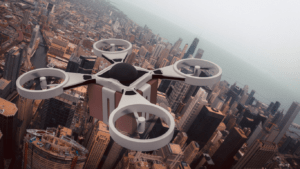
Drones and AI, the dynamic duo you didn’t know you needed—or maybe didn’t ask for, but hey, here we are. Once upon a time, drones were just buzzing show-offs used for snapping questionable aerial selfies. Now? They’re teaming up with artificial intelligence, and suddenly, we’ve got flying brainiacs zipping around. These aren’t your average backyard toys anymore; they’ve graduated to the big leagues, doing everything from delivering your online impulse buys to tracking wildlife that’s way smarter than us. AI is like that overachieving friend who makes everyone else look bad, but instead of acing tests, it’s giving drones the ability to think on the fly (pun intended).

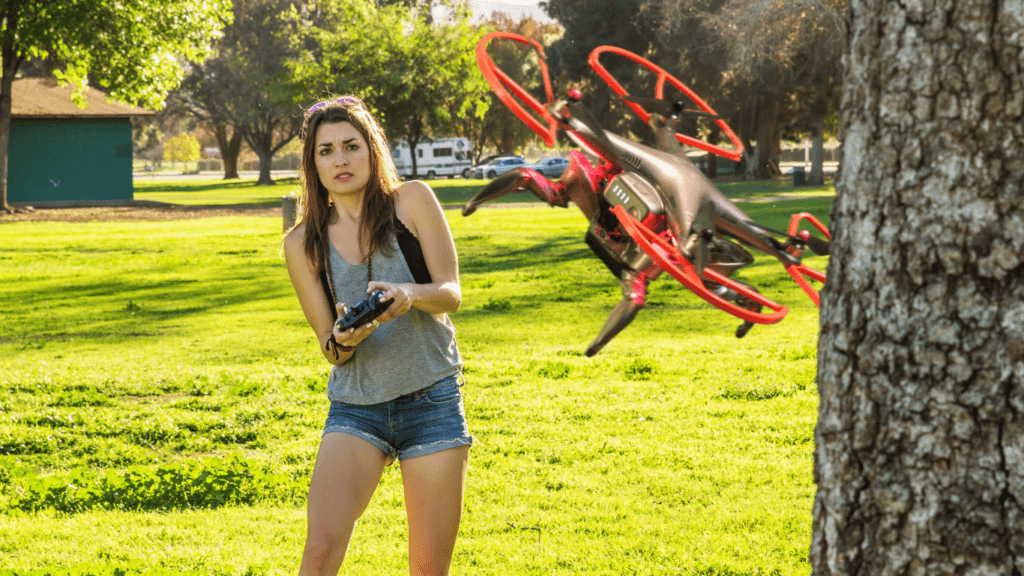
Once upon a time, navigating the great outdoors was a drone’s worst nightmare. Thick forests, crowded cityscapes, or even an awkwardly placed lamppost could bring their journey to a humiliating halt. But now, with AI steering the wheel (or, well, the propellers), drones are gliding through complex environments like they’ve been training for this their whole mechanical lives. Whether it’s dodging skyscrapers or squeezing through tight spaces, these little geniuses are showing off moves that would make a parkour athlete jealous.
Here’s how it works: AI doesn’t just “see” the world—it processes it like a full-blown mastermind. It takes in data from sensors, calculates the best route, and reacts faster than you can binge-watch a show. Imagine trying to figure out your way through a crowded airport during the holidays, but instead of crying in the corner, you’re effortlessly weaving through the chaos like it’s a walk in the park. That’s the level of smoothness we’re talking about here.
And get this: they’re not just avoiding obstacles; they’re predicting them. Think of it like having Spidey-sense, but without the tights and tragic backstory. AI lets drones anticipate what’s coming up and adjust their route accordingly. A flock of birds? No problem. Low-hanging power lines? Child’s play. Even unpredictable conditions like gusty winds are no match for these airborne overachievers. They’re basically the over-prepared friend who brought snacks, a map, and a flashlight to a casual picnic.
The best part? They’re doing it all without you yelling directions at them like a backseat driver. So, while we’re still fumbling with GPS and second-guessing left turns, drones are out here showing us how navigating complex environments is supposed to be done—effortlessly and with a whole lot of swagger.
Obstacle avoidance technology is like the secret sauce that keeps drones from becoming expensive lawn ornaments. Thanks to AI-powered wizardry, drones can now dodge, duck, dip, dive, and dodge (yes, that’s two “dodges” for emphasis) anything that dares get in their way. From rogue tree branches to overly ambitious seagulls, these aerial smarty-pants are constantly scanning their surroundings and deciding, “Nope, not today.”
So, how does it all work? Well, drones are outfitted with sensors that act like a hyper-alert friend pointing out every hazard on the horizon. Combine that with AI, and you’ve got a system that doesn’t just react—it anticipates. It’s like giving your drone the ability to spot danger faster than you can spot a typo in a text to your boss. No awkward crashes into walls or surprise meetings with random utility poles—just smooth, seamless flying that makes you wonder why humans are still struggling with parallel parking.
Oh, and don’t forget the coolest part: this all happens in real time. The moment a drone detects something in its path, it calculates its next move faster than you can say, “Was that a squirrel?” It’s an impressive feat, considering most of us still trip over our own feet while trying to avoid stepping on Legos. Whether it’s steering clear of fast-moving objects or gracefully maneuvering around unexpected obstacles, drones with obstacle avoidance are basically showing off at this point.
And let’s not ignore the fact that this tech saves both drones and egos. Fewer crashes mean fewer repair bills, and let’s be honest, fewer embarrassing moments of watching your shiny new gadget nosedive into a tree. So, the next time you see a drone effortlessly weaving through chaos, give it a little nod of respect—it’s out here living its best life, one dodge at a time.

When it comes to making decisions, drones with AI are like that friend who always knows exactly what to order at a restaurant. They don’t hesitate, they don’t waffle (pun intended), and they certainly don’t ask for your input. These flying decision-makers are out here analyzing their surroundings, weighing their options, and picking the best course of action—all before you’ve even realized there was a decision to be made.
And no, this doesn’t mean they’re secretly plotting world domination. It just means they’ve got the smarts to figure out what to do without you babysitting them. Whether it’s choosing the smoothest path through a cluttered space or deciding the most efficient way to complete a task, drones are doing the heavy mental lifting while we’re still trying to figure out why the printer isn’t working.
What’s truly impressive is how they’re able to make these calls in real time. Imagine if every decision in your day—from what to eat for lunch to which email to pretend you didn’t see—was made instantly and without hesitation. That’s the level of decisiveness we’re talking about here. Meanwhile, we’re over here debating whether to hit snooze for the third time.
The kicker? They’re doing all this without breaking a metaphorical sweat. Need a drone to find the fastest way to deliver your groceries or map out a search route in an emergency? No problem. These aerial overachievers are prioritizing like they’ve been reading self-help books on productivity. They don’t second-guess, they don’t panic, and they definitely don’t complain about it. Honestly, if drones weren’t so good at making us look bad, we might actually find them inspirational.

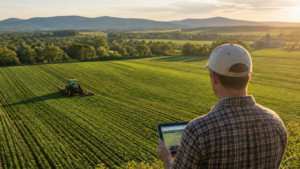
AI-driven drones are popping up in places you’d least expect, like that one friend who always shows up uninvited but somehow ends up being useful. For starters, they’re giving farmers a tech upgrade by monitoring crops, spotting issues, and making agriculture feel like a sci-fi movie. Forget scarecrows—these drones are the real MVPs, keeping an eye on everything without needing a lunch break.
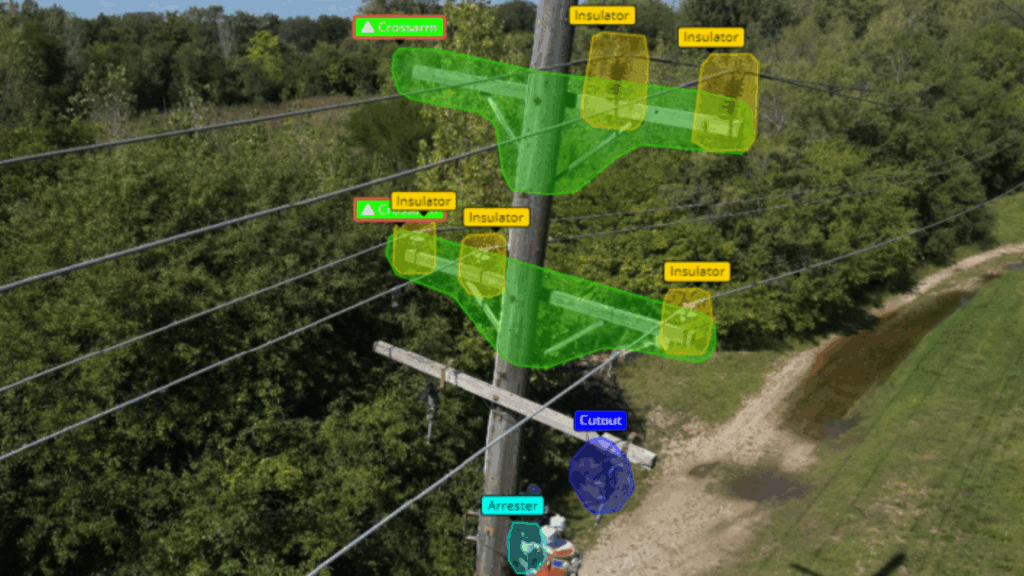
Then there’s their gig in infrastructure. Inspecting power lines and bridges is no longer a death-defying stunt for humans because drones are taking one for the team. They zip around, collect data, and ensure everything’s in tip-top shape—all without the need for hard hats or insurance claims. Meanwhile, the entertainment industry has found its new favorite tool. From jaw-dropping aerial shots in movies to capturing concert footage, drones are out here stealing the spotlight.
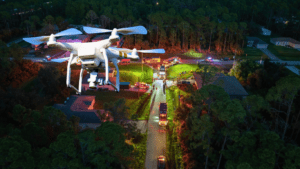
And let’s talk about search and rescue. When things go sideways, these AI-fueled heroes are swooping in to locate missing hikers or assess disaster zones. They’re doing it fast, efficiently, and without stopping to update their Instagram stories. Oh, and deliveries? Yep, they’re handling that too. Whether it’s medicine or that pair of shoes you definitely don’t need, drones are speeding up logistics like a personal courier with zero small talk.
They’re also revolutionizing environmental efforts, tracking wildlife and mapping areas for conservation. Turns out, AI doesn’t just make drones smarter—it makes them eco-friendly do-gooders too. So yeah, these flying multitaskers are everywhere, solving problems you didn’t even know existed and proving they’re more than just a fancy gadget.

With drones and AI working together it might seem like they’ve got it all figured out, but even these airborne geniuses have their quirks. For starters, battery life is their ultimate nemesis. You’d think with all their brilliance, they’d figure out how to avoid running out of juice mid-flight, but nope, plugging in is still a necessary evil. And let’s not even get started on the processing power. Juggling all that data in real time is no small feat, and sometimes even the smartest drone needs a breather (or, you know, an upgrade).
Then there’s the whole ethics thing. Giving machines the ability to make decisions on their own sounds cool until you realize it opens a Pandora’s box of “Should we really be doing this?” From privacy concerns to making sure drones don’t accidentally become airborne stalkers, there’s a lot to think about. Spoiler: humanity isn’t always great at thinking ahead.
But before we get all doom and gloom, let’s talk about what’s on the horizon. With AI tech evolving faster than your phone’s updates, drones are only going to get better. We’re talking longer battery life, faster processing, and maybe, just maybe, the ability to deliver snacks before you even realize you’re hungry. Engineers are hard at work ironing out the kinks, and who knows—your next flying gadget might be smarter than your home assistant (and way less judgy).
So while there’s still work to do, the future looks downright exciting. We might not have flying cars yet, but drones are proving that the sci-fi dream isn’t as far off as it seems. Now, if only they could figure out how to help us parallel park.
As you can now see, with drones and AI teaming up, the capabilities of drones and enhanced drastically. But, even with all the enhancements drones have now with AI in the picture, it is still best for humans to remain in control of the flying of the drone.
For more information on how drones have advanced and can be used for commercial marketing as well as in many other industries, be sure to read our following related articles. You can check out our blog for online marketing agency tips to help grow your business with optimized website designs as well as the benefits of your company ranking well in the search engines.
Also, be sure to check out our most asked questions with answers about the advancement of drones and AI.
The integration of AI with drones has transformed their functionality, allowing them to perform tasks that were once unimaginable. These advanced systems leverage machine learning and data processing to adapt to various environments and tasks. AI has equipped drones with the ability to analyze complex scenarios, enabling more efficient and accurate operations. As a result, drones have become essential tools in areas like agriculture, construction, delivery services, and emergency response. Through AI-driven capabilities, drones now offer improved precision, responsiveness, and adaptability, making them an indispensable part of modern technological advancements.
AI-powered navigation systems allow drones to process real-time data and maneuver through challenging environments. By utilizing advanced sensors and cameras, these systems identify and avoid obstacles, enabling drones to navigate safely without manual input. They can interpret data instantly, allowing precise adjustments during flight.
This technology is especially beneficial in scenarios requiring drones to operate in confined spaces or areas with dense objects. Additionally, AI enables drones to optimize flight paths dynamically, ensuring efficient movement even in unfamiliar surroundings. These advancements significantly enhance the reliability and versatility of drones in both commercial and industrial applications.
AI allows drones to efficiently process and interpret large volumes of data, delivering actionable insights across various fields. Advanced algorithms enable drones to analyze patterns and detect anomalies in real time, making them invaluable for tasks such as monitoring environmental changes or inspecting infrastructure.
These systems also enable drones to adapt their operations based on the data gathered mid-flight, improving accuracy and productivity. In agriculture, for example, drones can detect specific issues like soil quality variations or early signs of plant disease. Such capabilities streamline decision-making processes, ensuring precise and effective outcomes in data-driven applications.

AI-powered drones have revolutionized industry operations with their ability to analyze data and perform precise tasks. In agriculture, they identify crop health issues and assist with resource management. In construction, drones enhance safety by detecting risks and capturing real-time updates. The delivery sector benefits from their autonomous navigation, ensuring timely and accurate shipments. These applications highlight how AI-equipped drones are enabling more efficient and reliable workflows, transforming traditional methods across diverse fields.
AI enables drones to make decisions and adjust to their surroundings independently during missions. Technologies like computer vision allow drones to interpret visual data, while machine learning algorithms help predict the most efficient actions. These systems facilitate precise execution of complex tasks, such as navigating through unpredictable environments or performing inspections in real time. Autonomous drone operations benefit from AI’s ability to analyze data mid-flight, enhancing efficiency and functionality in industries that demand adaptability and precision.
Addressing ethical challenges is vital as AI-powered drones become more prevalent. Issues such as data security, surveillance concerns, and responsible use require clear policies and enforcement. Additionally, adapting regulatory frameworks to balance innovation with public safety is essential. These measures are necessary to foster trust and ensure that advancements in drone technology benefit society responsibly.