
Value Driven Marketing: A No-Nonsense Guide

Rick Moore
Owner & Founder
Date Published: 128/2026

Table of Contents
Introduction to Value Driven Marketing
Welcome to the wild ride that is value driven marketing, where you’re somehow expected to make magic happen with a budget that wouldn’t even buy a decent cup of coffee these days. But hey, no pressure, right? The good news is you don’t need a suitcase full of cash or a degree in rocket science to pull it off. You just need a clear plan, a dash of creativity, and maybe a little caffeine-fueled determination.
At its core, value driven marketing is all about making sure your customers feel like they’re getting way more than they’re giving. It’s less about shouting, “Buy my stuff!” and more about showing the consumers why your product or service is worth their time and money. Think of it as the art of being useful, memorable, and not annoying—basically the opposite of those pop-up ads that refuse to close.
Now, if you’re thinking, “Great, but how does this actually work when I’m already juggling 10,000 things?” Don’t worry. Value driven marketing isn’t about doing everything; it’s about doing the right things. It’s about connecting with your audience in ways that make them say, “Wow, these people really get me.” You don’t have to reinvent the wheel here. Sometimes, it’s as simple as being authentic, solving a problem, or making someone’s day just a tiny bit better. Easy, right? Okay, maybe not easy, but definitely doable.
Understanding Your Audience
Your audience isn’t some faceless mob just wandering the internet in search of a random purchase. They’re actual humans, complete with quirks, opinions, and, yes, probably an unhealthy obsession with iced coffee. If you want to grab your consumers attention, you’ve got to do a little homework—and no, we’re not talking about a PhD-level dissertation here. Start by figuring out what keeps them up at night (besides binge-watching their favorite show). Are they stressed about saving time? Pinching pennies? Maybe they’re just tired of buying products that don’t work as promised.
How do you get this intel? Easy. Try asking them—seriously. Polls, surveys, and DMs are your new best friends. People love to talk about themselves, so give them the chance. Comb through your social media comments and reviews like a detective looking for clues. You’d be amazed at what people will spill when they think no one’s paying attention.
Once you’ve got the goods, use them to tailor your messaging. Speak their language. Show them you understand their struggles (without being a total buzzkill about it). If your audience is laughing, nodding along, or crying tears of joy because, “Finally, someone gets it!”—you’re doing it right. Just don’t get creepy about it. There’s a fine line between understanding your audience and making them feel like you’re peeking through their blinds.
Creating a Value Proposition

Think of your value proposition as the ultimate mic drop—it’s your chance to show the world why your business deserves a spot in their lives (and wallets). Start with this: what’s the one thing that makes your product or service so great that it practically sells itself? Is it faster? Cheaper? So easy to use that even your tech-averse uncle could figure it out? Whatever it is, own it like you just won an award.
Now, here’s the trick: focus on what your customers actually care about. Nobody’s sitting around saying, “Gee, I hope this company hits me with a five-paragraph essay about their mission statement.” People want to know what’s in it for them. Solve their problem, make their life easier, or give them something they didn’t even know they needed—bonus points if you can do all three.
And don’t forget, boring is the enemy. Skip the corporate jargon and keep it human. Write like you’re talking to a friend who owes you lunch—casual, confident, and with just a pinch of sass. “Our product is affordable and efficient” is fine, but “We’ll save you time and money, so you can stop stressing and start crushing it” is a lot more fun.
Cost-effective Marketing Strategies

Marketing on a budget so tight it squeaks? Welcome to the club. The good news is you don’t need a blank check to make an impact—you just need to get scrappy. First off, let’s talk about the internet: it’s basically a treasure chest of free (or almost free) tools. Canva? Perfect for making high quality graphics that don’t look like they were created in Microsoft Paint circa 2003. Email platforms like Mailchimp or HubSpot? Your new BFFs for reaching customers without blowing your wallet.
Then there’s the art of piggybacking on existing trends. Everyone’s talking about something online—find a way to make it about you. Memes, challenges, trending hashtags? Jump in and make it fun. Sure, you might not go viral, but if you can get even a little buzz, that’s marketing gold.
For in-person flair, team up with local businesses for co-marketing. Think joint events, cross-promotions, or even splitting the cost of ads. Double the exposure, half the price. And while we’re at it, don’t underestimate the power of old-school flyers and posters—people still look at bulletin boards, especially when there’s free stuff involved.
Remember, when cash is limited, creativity isn’t just a nice-to-have; it’s your secret weapon. There’s a whole world of low-cost ideas out there—you just have to dive in and see what sticks.
Leveraging Social Media

Social media isn’t just a time-suck for doomscrolling or stalking your high school frenemies—it’s a powerhouse for connecting with your audience without needing a second mortgage. The trick is to stop thinking of it as a megaphone and start treating it like a two-way conversation. Post content that actually gets people to engage, whether that’s a hilarious meme, a quick how-to video, or a poll asking which flavor of chips is overrated (spoiler: it’s salt and vinegar).
Here’s a professional content creation tip: consistency beats perfection every time. You don’t need to hire a Hollywood director for your posts—your phone camera and a bit of personality will do just fine. People don’t want flawless; they want real. Show behind-the-scenes moments, share relatable fails (because, let’s face it, we all have them), and keep it fun.
Oh, and don’t sleep on stories or reels. Short, snappy, and a little goofy works wonders for grabbing attention. Respond to comments like you’re texting a friend—fast and friendly. And please, for the love of Wi-Fi, ditch the auto-DMs. Nothing says “I don’t actually care” like a robotic “Hey, thanks for the follow! Check out my website!” If you wouldn’t say it to a buddy, don’t post it. Keep things authentic, and before you know it, your followers might just start treating you like one of their own.
Measuring Success and Adjusting Strategies
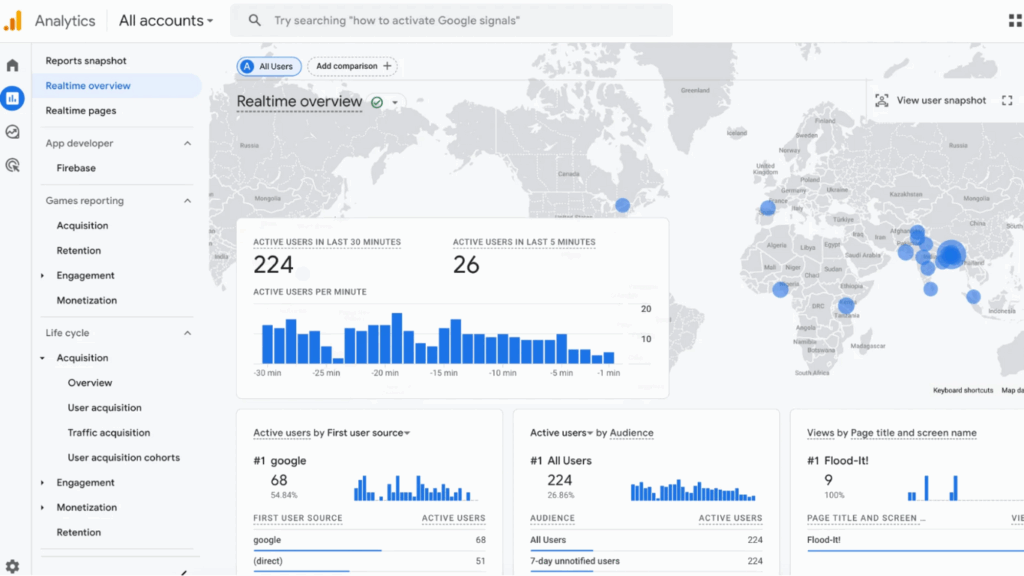
So, you’ve put your brilliant marketing ideas out into the world. Now what? You can’t just slap it together and hope for the best—this isn’t a middle school science project. You need to track how it’s all playing out. The great thing about today’s digital world is that you can measure pretty much everything. And by everything, we mean everything. Website clicks, email open rates, social media shares—if it moves, there’s probably a graph for it.
Start with the basics. Use tools like Google Analytics or social media insights to figure out what’s actually getting traction and what need to be worked on to grow your online presence. Are people clicking your links? Watching your videos? Or are they bouncing off faster than you can say “target audience”? Pay attention to the stuff that makes your audience go, “Oh, I like this!” and do more of that.
And when something flops—and it will flop—don’t freak out. Marketing is basically trial and error with a dash of caffeine. If a post bombs or your email campaign gets ghosted, take a hard look at what went wrong. Was the timing off? Was the content dull? Adjust, experiment, and move on. There’s no shame in scrapping an idea that just didn’t work. Call it “market research” and keep rolling.
Competing with Larger Competitors

Let’s be real: going up against the big guys can feel like bringing a spoon to a knife fight. But here’s the thing—they might have deep pockets, but you’ve got something they don’t: personality. Big corporations are like the robots of the business world—efficient but often soulless. You, on the other hand, have the power to connect with your customers in ways that actually feel human.
One of your secret weapons? Personalization. While big companies are busy cranking out one-size-fits-all solutions, you can tailor your offerings and interactions to make every customer feel like a VIP. Remember their names, their preferences, maybe even their dog’s name if you’re feeling extra. People love to feel seen, and that’s your superpower.
Another ace up your sleeve? Flexibility. You’re not stuck in endless meetings or corporate red tape, so you can pivot faster than they can schedule a follow-up call. Whether it’s responding to trends, addressing customer feedback, or testing out new ideas, you’ve got the advantage of speed.
And don’t underestimate the charm of being the underdog. People love rooting for the little guy, especially when the little guy is relatable, scrappy, and fun to support. Play up your story, keep it authentic, and give them a reason to choose you.
Conclusion
As you can now see, there are many benefits to implementing a value driven marketing strategy for your business. Not only will you see you and your customers better connecting, but you will also see an increase in business as well as profits!
For more marketing tips be sure to read our following related articles. Also, don’t forget to check out our most asked questions with answers about value driven marketing.
FAQs
Value driven marketing focuses on connecting with customers by understanding their needs and values, creating meaningful relationships, and aligning offerings to meet those expectations. It moves beyond highlighting product features or pricing to emphasize delivering genuine value that resonates with the target audience. This approach prioritizes authenticity and customer satisfaction, allowing businesses to build trust and foster loyalty. By centering strategies around what truly matters to customers, companies can position themselves as not just providers of products or services but as partners who care about the overall experience and long-term benefits for their audience.
Small businesses can maximize their marketing efforts on a budget by focusing on strategies that deliver high value at low cost. Social media offers affordable ways to connect with customers, from creating engaging posts to running targeted ads. Sharing useful, informative content such as blog posts or tutorials can build trust and credibility. Partnering with micro-influencers can expand your reach without requiring a large investment. Additionally, using free or low-cost tools for email marketing or design can help maintain a professional presence. Prioritizing creativity and genuine engagement ensures you can make a strong impact even with limited resources.
Highlight the personal touch your business offers, such as tailored services or direct communication with customers. Showcase your expertise in niche areas that larger competitors may overlook. Focus on creating meaningful interactions through social media, personalized email campaigns, or hosting community events. Leverage your agility to quickly respond to market changes and customer feedback. Additionally, emphasize your commitment to quality or values like sustainability to appeal to like-minded customers who appreciate businesses that align with their priorities.
Strong communication with your audience is essential, as it helps uncover their values and expectations. Tailor your offerings to reflect what matters most to them, whether that’s quality, sustainability, or excellent customer service. Consistency in delivering on promises builds credibility, fostering trust over time. Utilize customer feedback to refine your approach and maintain alignment with their needs. Establishing emotional connections through shared values can set your business apart, ensuring a loyal and engaged customer base.
Focus on tools that streamline repetitive tasks, such as scheduling posts or automating email campaigns. Create a content calendar to stay organized and ensure consistency. Batch-create marketing materials in advance to save time during busy periods. Delegate tasks when possible, whether by assigning them to team members or outsourcing specific activities. Regularly review your workflow to identify areas where processes can be simplified or improved. This approach helps maintain efficiency while dedicating time to other important aspects of your business.
Related Articles