Date Published: 8/12/2025

Google’s search generative experience is reshaping how people interact with online information. By using advanced artificial intelligence, this system creates responses that feel more conversational and contextually accurate. Instead of just providing a list of links, it delivers detailed answers directly, making the search process faster and more intuitive.
This evolution means that search engines are now better at understanding user intent. They can interpret complex queries, consider the context, and provide more personalized results. For content creators, this opens up opportunities to connect with users in new ways by aligning with how search engines now process and present information.
The generative approach also emphasizes the importance of relevance and accuracy. Since AI relies on high-quality data to generate responses, creating content that is both precise and helpful increases its chances of being featured in these results. With this technology, the focus shifts from simply targeting keywords to truly addressing what users are seeking.
Understanding this shift allows businesses to approach content creation with a strategy that prioritizes the needs and expectations of their audience. By paying attention to how AI is transforming search, you can make informed decisions about how to adapt your content and stay competitive in a changing digital landscape.

Creating content that genuinely connects with your audience is essential when optimizing for Google’s search generative experience. Start by focusing on the questions and topics your audience cares about most. What challenges do they face? What information are they actively seeking? Addressing these areas thoughtfully ensures your content remains relevant and engaging.
Clear, concise writing is key to holding attention and effectively communicating your message. Avoid unnecessary jargon, and instead use language that feels natural and accessible. Break up dense information into manageable sections with headings or bullet points to make it easier to digest.
To increase the chances of your content appearing in search generative experience results, ensure it’s factually accurate and up-to-date. Include data, examples, or real-life scenarios to support your points. This not only adds credibility but also provides value that stands out to both users and search algorithms.
Visual elements can also enhance how users engage with your content. Adding charts, infographics, or relevant images can make information more appealing and easier to understand. However, always pair visuals with clear text so your message remains accessible to everyone.
Lastly, always keep your audience’s intent in mind. Are they looking for quick answers, in-depth guidance, or actionable tips? Align your content with these goals to create a more satisfying experience that encourages further interaction with your brand.

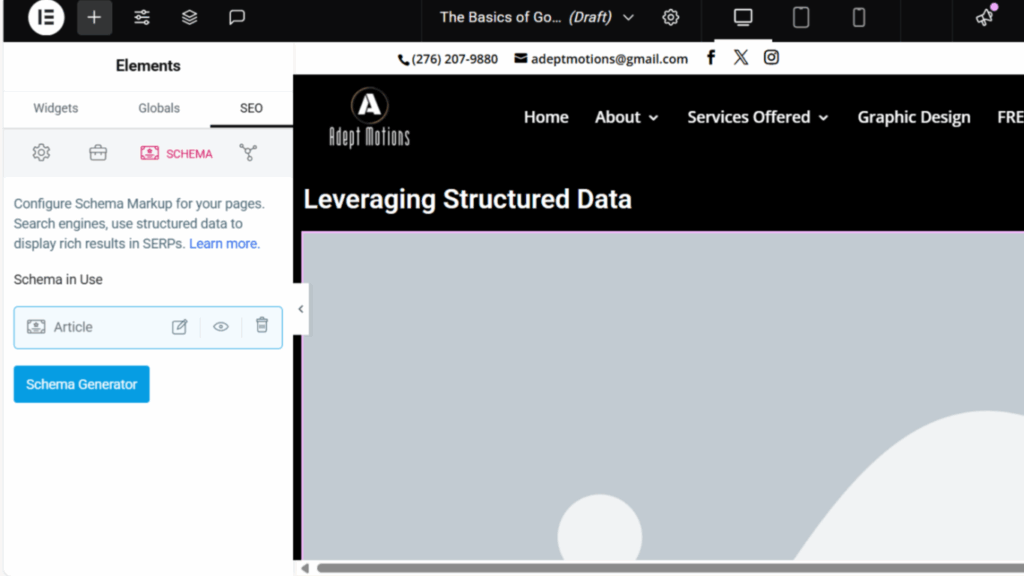
Structured data is a powerful tool that helps search engines better interpret the information on your website, making your content more accessible to users through improved search visibility. It provides additional context about your pages, allowing search algorithms to present your content in richer, more meaningful ways.
To get started, focus on incorporating structured data that aligns with your business goals. For instance, if you run an online store, use structured data to highlight product details like pricing, availability, and customer reviews. If your website features blogs or articles, include structured data that identifies the author, publish date, and article category. This ensures that search engines not only understand your content but can also display it in enhanced formats like rich snippets or knowledge panels.
For those new to implementing structured data, Google’s free tools, like the Structured Data Markup Helper, can simplify the process. These tools guide you step-by-step in tagging key elements of your content, making the task manageable even if you’re not technically inclined. Be sure to use schema types that best describe your content, as this specificity increases the chances of your website being featured prominently in search results.
Another helpful tip is to test your structured data after implementing it. Google’s Rich Results Test allows you to check for errors and ensure that everything is properly set up. Keeping your structured data updated as your content evolves is equally important, as outdated information can mislead both users and search engines.

By thoughtfully applying structured data to your site, you enable search engines to surface your content to the right audience in a more impactful way, giving your website a competitive edge in the search generative experience.

As more people turn to voice-activated devices for their search needs, adapting your content for voice search is essential. This requires thinking about how people naturally speak when asking questions and ensuring your content reflects this conversational style.
To get started, focus on crafting sentences that are clear and straightforward, avoiding overly complex language or structures. Incorporating long-tail keywords that mirror the way users phrase their queries can help your content align better with voice search patterns. For example, instead of targeting “best coffee makers,” consider phrases like “What are the best coffee makers under $100?” These longer, question-based keywords better match the way people typically use voice search.

You can also enhance your content by creating sections that directly address common questions related to your industry or services. FAQ pages are especially useful here, as they allow you to provide direct, concise answers that voice search algorithms can easily pick up. Including actionable tips or quick solutions in your responses can further increase your content’s relevance.
Finally, think about the overall readability of your website. Pages that load quickly and are easy to navigate contribute to a positive user experience, which plays a role in how search engines prioritize voice-friendly results. Pair this with high-quality, updated content to ensure your website remains competitive in an increasingly voice-driven search environment.

Backlinks are an essential part of improving your website’s visibility in search results, but focusing on quality over quantity is key. A strong backlink from a trusted website can carry more weight than dozens of links from less credible sources, so it’s worth investing time in building genuine connections within your industry.
Start by identifying websites, blogs, or publications that align with your business or content. Reach out to these platforms with well-crafted pitches, offering to contribute guest articles or collaborate on projects that benefit both parties. When reaching out, tailor your message to highlight the value you can provide to their audience—this increases the likelihood of your request being accepted.
Creating shareable, high-value content is another effective way to attract backlinks naturally. Content like how-to guides, infographics, or original research tends to draw attention and gets linked back to by others in your field. Promote your content through email newsletters and social media and to increase its reach and encourage others to reference it.
Engaging with industry influencers can also help you earn valuable links. Building genuine relationships through social media interactions or participation in relevant online communities can open the door to collaborations. Whether it’s being mentioned in a roundup post or co-creating content, these connections can result in backlinks from respected sources.
Lastly, don’t overlook local partnerships. Connecting with local businesses, directories, or organizations can lead to backlinks that not only improve your rankings but also strengthen your presence in your immediate community. Joining local business groups or sponsoring events can open up opportunities for your site to be linked on their platforms, further reinforcing your authority in your niche.
When building backlinks, aim for authenticity and relevance—these factors make your efforts more impactful and lasting in the long run.

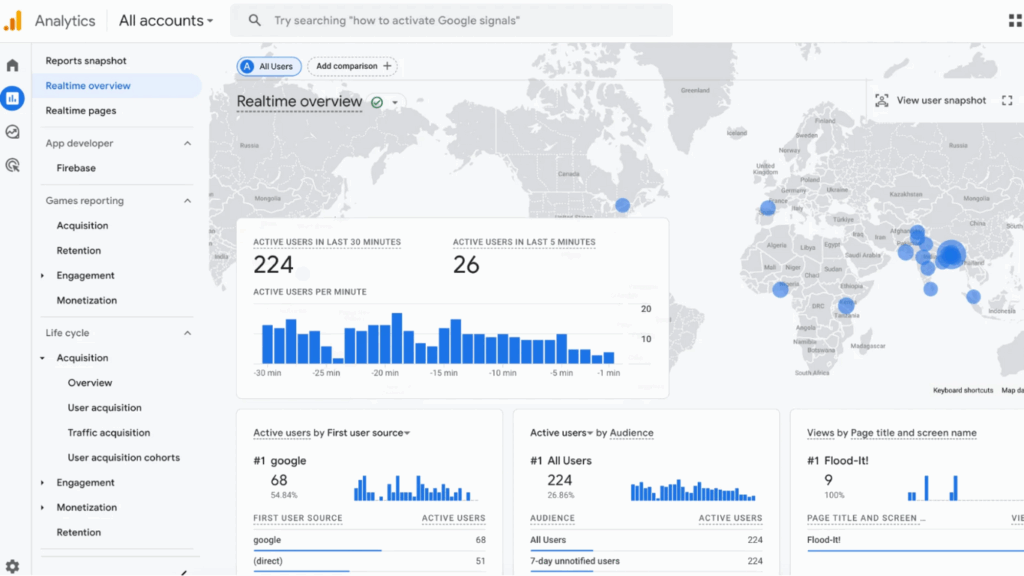
To make the most of your efforts, it’s crucial to regularly evaluate how your marketing strategies are performing and make updates as needed. Start by using analytics tools to gain insights into key metrics like website traffic, user behavior, and engagement rates. This data can help you understand what’s resonating with your audience and where there’s room for improvement.
Pay close attention to patterns over time rather than focusing solely on short-term fluctuations. Are certain types of content attracting more visitors? Do specific pages lead to higher conversions? These insights can guide you in refining your approach and allocating resources to what’s working best.
It’s also a good idea to keep track of industry trends and updates to Google’s search algorithms. The digital landscape evolves quickly, and staying informed will help you make proactive adjustments to your strategies. For example, if new tools or features related to the search generative experience are introduced, consider how you can incorporate them into your overall plan.
Feedback from your audience can provide another layer of valuable insight. Monitor comments, reviews, and other interactions to identify recurring questions or areas where your content could provide more clarity. Responding to these needs not only strengthens your relationship with your audience but can also inform your future content creation.
Finally, set a schedule to revisit your goals and strategies periodically. Whether it’s quarterly or monthly, taking the time to reflect on your progress ensures that your efforts stay aligned with your objectives. Adjustments, no matter how small, can make a significant impact over time when based on solid data and user feedback.
Approaching this process with flexibility and a focus on continuous improvement will help you maintain momentum and stay ahead in the evolving search generative experience (SGE) environment.
By following the steps you have learned here to today, you just might have a head start on your competitors in having your content show up in Google’s Search Generative Experience results. For more marketing tips that could grow your business and better connect with your auidience, be sure to read our following related articles.