
Select Page
Precision Agriculture and Drones: The Power Duo

Author: Rick Moore
Owner & Founder of Adept Motions
Date Published: 9/9/2025
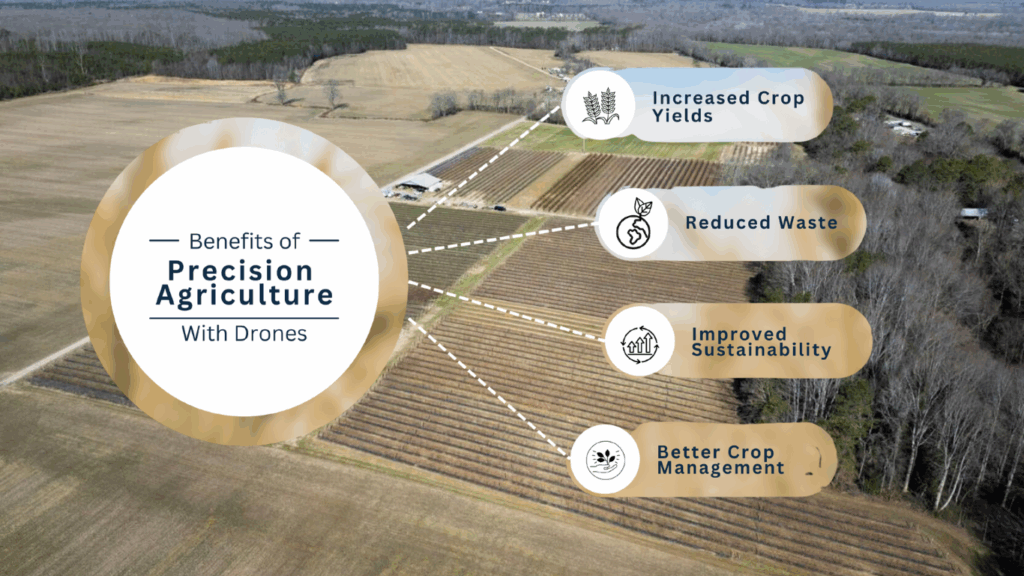
Table of Contents
Introduction to Precision Agriculture
Farming has officially entered its tech-savvy era, folks. Say hello to precision agriculture, where science meets soil in the most high-tech way possible. Think of it as farming 2.0—now with fewer headaches and way cooler gadgets. At its core, it’s about using technology to make every management decision smarter, whether that’s planting, watering, or figuring out why your crops are giving you the silent treatment. Gone are the days of “let’s just wing it and hope for the best”—now it’s all data, all the time.
And no, it’s not just about slapping a GPS on a tractor and calling it a day. Precision agriculture dives deep into the nitty-gritty of your fields, turning guesswork into cold, hard facts. It’s the difference between shooting hoops blindfolded and sinking a three-pointer with laser precision. Farmers get insights into soil conditions, moisture levels, and crop health that would make Old MacDonald’s head spin.
But don’t worry, this isn’t some exclusive club for tech geeks in overalls. The tools are designed to be user-friendly, so even if the last gadget you mastered was a flip phone, you’re good to go. Precision agriculture is here to prove that farming can be as cutting-edge as any Silicon Valley startup—minus the kombucha-on-tap vibe. Welcome to the future of farming, where tech doesn’t just help—it actually pulls its weight.
Role of Drones in Modern Farming
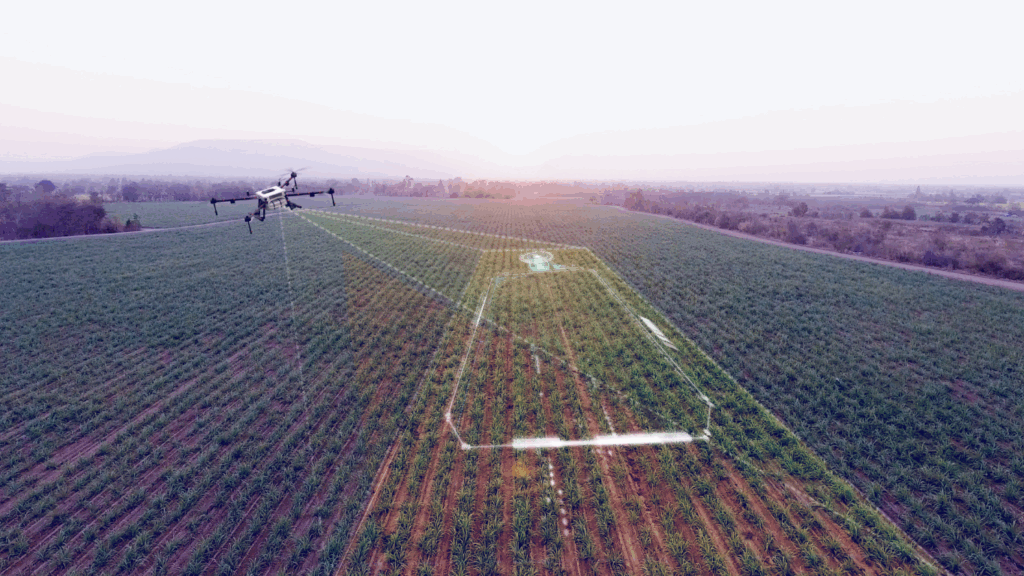
Let’s talk about drones, the new MVPs of farming. These little flying machines aren’t just buzzing around for fun—they’re out here doing the dirty work without getting their propellers muddy. Think of them as the ultimate multitaskers of the skies, handling jobs that used to require hours of sweat and guesswork. They’re like the overachieving cousin you love to hate, but can’t help admiring.
Need a bird’s-eye view of your crops? Done. Want to check for pests or diseases? No problem. Curious if your irrigation system is doing its job or just taking a very expensive nap? They’ve got you covered. Drones swoop in, collect the facts, and leave farmers with the kind of intel that would make any detective jealous. And they don’t complain about long hours, bad weather, or their “office” being a giant field.
Oh, and let’s not forget their ability to go where no tractor dares to tread. Steep hillsides, soggy patches, awkward corners—drones laugh in the face of inaccessible terrain. Plus, they’re fast. A quick zip around the field, and boom, data in hand. Forget slow and steady; drones are all about speed and efficiency, like a farmer’s very own aerial pit crew.
So, while they may have started as flashy toys for tech enthusiasts, drones have officially graduated to the big leagues of farming. They’re now indispensable tools, pulling their weight (and then some) as they soar through fields like tiny, high-tech superheroes.
Data Collection and Analysis
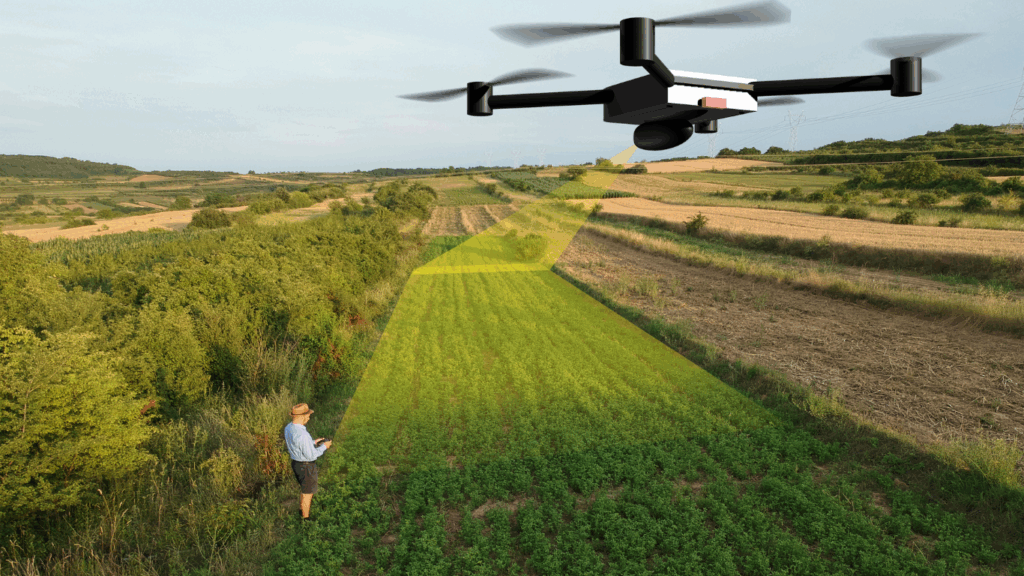
Data isn’t just for spreadsheets and tech bros—it’s the secret sauce behind precision agriculture and modern farming, and drones are the chefs whipping it up. These flying data nerds are equipped with cameras and sensors that can see more than just what’s green and what’s not. They capture high-res images, thermal data, and even the kind of info that makes soil scientists giddy. Think of it as x-ray vision for your fields—minus the spandex superhero suit.
What’s wild is how detailed these insights are. A drone doesn’t just tell you your plants are thirsty; it pinpoints *exactly* which areas need a drink and which are doing just fine, thank you very much. It’s like getting a personalized weather forecast, except it’s for your crops, and instead of rain or shine, it’s telling you why your tomatoes are looking a little moody.
And sure, this all sounds super fancy, but it’s practical too. These data-packed flyovers let farmers stop problems in their tracks. From spotting early signs of disease to catching soil issues that would otherwise lurk until harvest time, drones basically act as a proactive farm whisperer. No crystal ball needed.
Advantages of Drone Technology
First off, drones are like the ultimate money-saving hacks for farmers. Forget about paying for endless manual inspections or running yourself ragged through acres of crops—these flying gadgets take care of it in a fraction of the time and cost. It’s like upgrading from a flip phone to a smartphone, but for your fields. And they’re not just cheap labor; they’re also ridiculously good at their jobs. They’ll tell you what’s wrong before you even knew there was something to worry about.
But wait, there’s more! Drones are basically eco-warriors in disguise. By collecting all that hyper-specific data, they help farmers use just the right amount of water, fertilizer, and pesticides—no more, no less. This means no wasting resources and no unnecessary chemicals being dumped into the environment. Who knew saving the planet could look this cool? It’s like they’re farming’s version of a superhero, only with fewer capes and more propellers.
Oh, and let’s not forget how ridiculously fast they are. While you’re still sipping your morning coffee, a drone can already have your entire field mapped out, analyzed, and ready to report back. It’s efficiency on steroids. You’ll feel like a farm wizard, knowing exactly what’s going on in your crops without even stepping outside.
The best part? When using drones for precision agriculture they don’t care about terrain. Got hills that tractors hate? Soggy spots that swallow boots? No big deal—they’ve got it covered. They zip over everything with zero complaints and all the grace of a ballerina in the air. Sure, they’re techy and cutting-edge, but they’re also practical, getting down to business like a true workhorse.
Challenges and Considerations
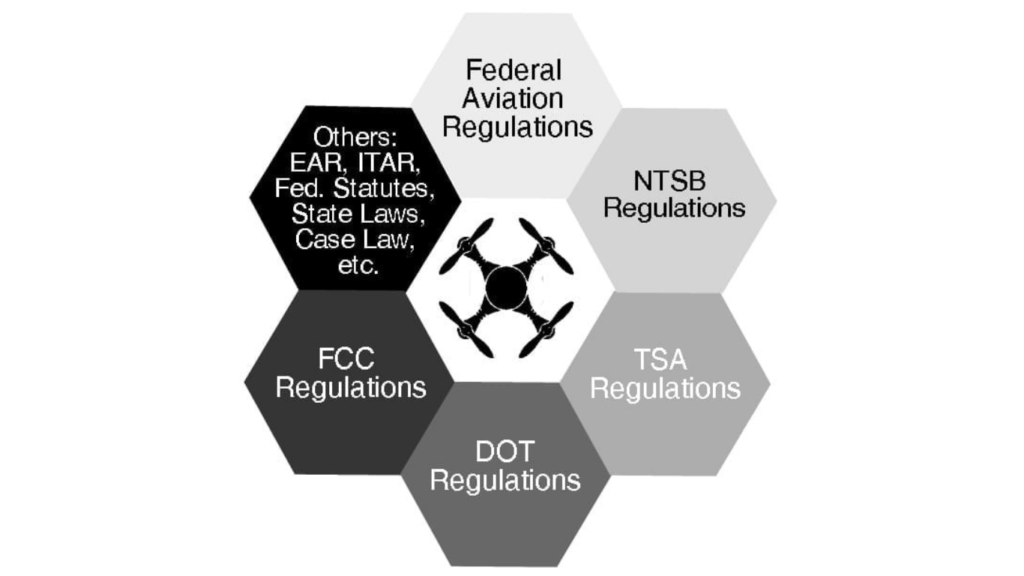
Ah, the not-so-glamorous side of using drones for precision agriculture in farming. First up, let’s talk about everyone’s favorite buzzkill: regulations. Turns out, you can’t just grab a drone, wave it around, and call yourself the king or queen of the skies. Nope, there are rules—so many rules. From permits to airspace restrictions, it’s like the government sat down and thought, “How can we make this as complicated as possible?” And don’t even get me started on the paperwork. By the time you’re done, you might feel like you’ve earned a law degree.
Then, of course, there’s the whole “tech isn’t perfect” thing. Drones might look slick and futuristic, but they can also be as temperamental as a toddler after nap time. Batteries die at the worst possible moments, software decides to crash right when you need it, and let’s not forget the occasional kamikaze bird that thinks your drone is invading its turf. Spoiler alert: the bird usually wins.
And hey, if you’re not exactly a tech wizard, there’s a bit of a learning curve. These things don’t come with a magic button that says, “Fix my crops, please.” You’ve got to figure out how to work the gadgets, interpret all that fancy data, and keep everything running smoothly. It’s not rocket science, but it’s definitely not plug-and-play, either.
Oh, and if you thought farming was expensive, wait until you start shopping for drones. These high-flying gadgets don’t come cheap, and upgrading or maintaining them? Yeah, that’ll cost you, too. So while drones can save you money in the long run, the initial sticker shock might make you briefly reconsider your life choices.
Future of Drones in Precision Agriculture
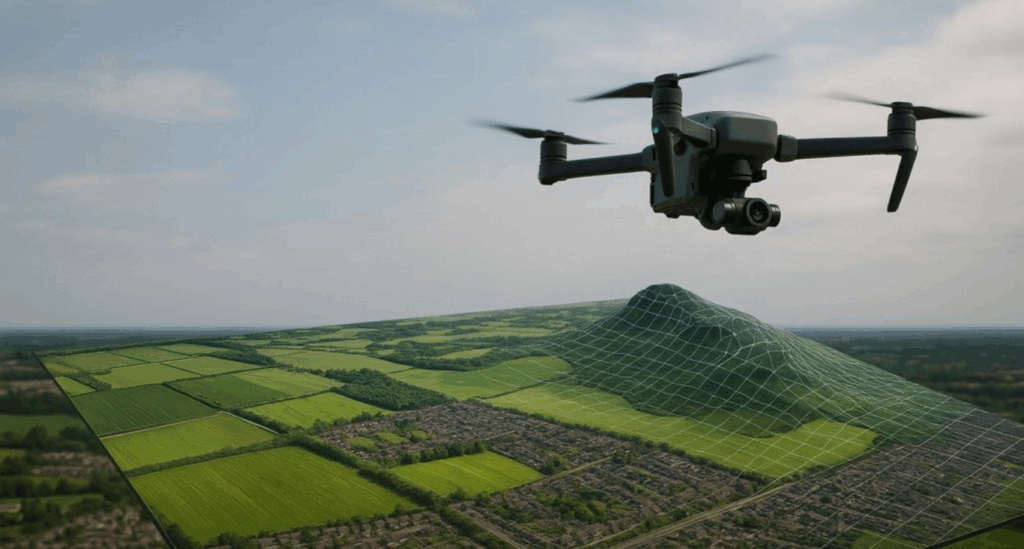
The future of drones in farming is shaping up to be less “cool gadget” and more “can’t-live-without-it” essential. These flying geniuses are evolving faster than a Wi-Fi connection at a tech convention. Picture drones that don’t just collect data but also analyze it on the spot, giving you real-time answers without making you feel like you need a computer science degree. They’re not stopping at being your extra set of eyes—they’re aiming to be your farming brain trust.
And let’s talk about automation. Soon, drones won’t just be reporting back to you—they’ll be making decisions, too. Think automated planting, spraying, and even harvesting. Yep, your future farm could look like something straight out of a sci-fi movie, minus the robot overlords. These upgrades aren’t just cool—they’re practical, helping farmers tackle labor shortages and skyrocketing costs with less stress and more efficiency.
Then there’s AI. Drones will start learning about your farm as they go, becoming smarter with every flight. Maybe they’ll even figure out why that one corner of your field is always acting like a diva. And the sensors? They’re leveling up, too. Expect drones that can monitor not just crops but the air, soil, and overall environment, practically giving you a 360-degree farm wellness check.
Even the cost factor might ease up as technology advances. Today’s cutting-edge model is tomorrow’s garage-sale special (okay, maybe not *that* cheap, but you get the idea). As these flying tools become more accessible, farmers of all scales will get to play the drone game.
So, while drones may have started as a high-tech luxury, they’re quickly becoming a cornerstone of modern agriculture. Get ready, because these sky-high helpers are just scratching the surface of their potential. The farm of the future isn’t just coming—it’s practically landing in your backyard.
Conclusion
You can now see and understand just how much drones are changing the farming industry. It is really helping farmers tackle the issue of labor shortages and personal aging. With the ability to use drones for precision agriculture you are basically replacing almost an entire workforce that is needed to maintain both agriculture and livestock on a farm.
For more information on how drones can benefit your industry as well as how drones can be used as marketing help and advantage, be sure to read our following related articles.