Industrial Drone Inspection: Robots Doing the Dirty Work

Author: Rick Moore
Owner & Founder
Date Published: 9/18/2025
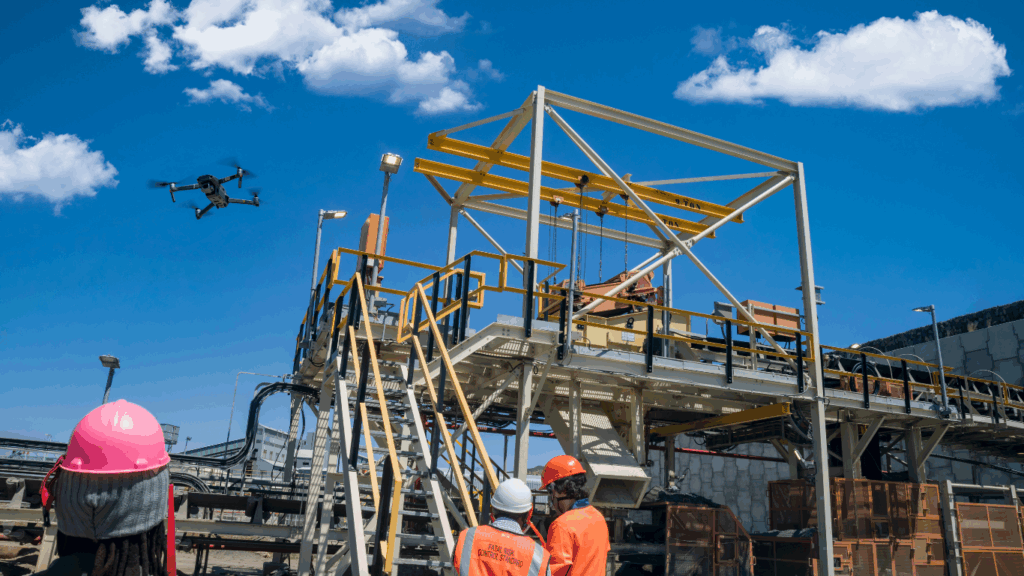
Table of Contents
Introduction to Industrial Drone Inspection
Remember when we used to inspect industrial sites by actually being there, sweating, climbing, and risking our lives? Yeah, neither do we, because now we’ve got drones to do all the heavy lifting—literally and figuratively. Industrial drone inspection is the magical solution for people who’ve decided they’d rather not scale a 200-foot wind turbine or tiptoe around hazardous materials. Instead, we’ve outsourced that nonsense to flying gadgets that don’t complain, need breaks, or ask for coffee.
These aerial superheroes are here to revolutionize the way we check on industrial stuff, taking “work smarter, not harder” to new heights—literally. They swoop in, gather data, and buzz off, all while you sip your latte and pretend to be busy. They’re like that overachieving coworker who does everything without breaking a sweat, except they won’t passive-aggressively remind you about it at the office party.
From factories to pipelines, industrial drone inspection has become the go-to way to avoid tedious, dangerous jobs and still get results. It’s not just a trend; it’s the inevitable future. Why risk human lives or waste time when you can have a robot do it all while looking cooler than you ever will in safety gear? Whether it’s snapping high-def images or braving conditions that’d make your mom call twice to check in, drones are redefining the game, one flight at a time.
Types of Drones Used in Industrial Inspection
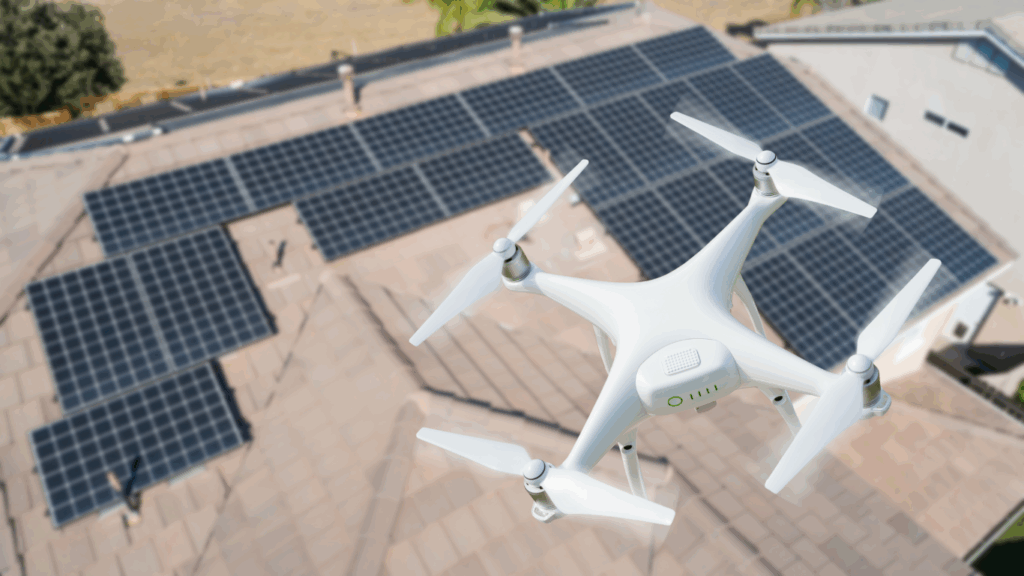
Alright, let’s break down the cast of characters in the industrial drone world. First up, we’ve got the camera-toting drones—the photographers of the bunch. These are the ones with ultra-HD cameras, swooping in to capture every crack, crevice, and questionable weld like they’re auditioning for a Discovery Channel documentary. Need to inspect something that’s hundreds of feet up or hidden in some “hard pass” location? These drones have you covered, and they don’t even ask for photo credit.
Then we have the heavy-duty workhorses. These bad boys are built for tough environments, the kind that would make a regular drone cry and short-circuit. Think extreme temperatures, hazardous areas, and weather conditions that would ruin your hair in seconds. If these drones had a motto, it’d be something like, “Bring it on.”
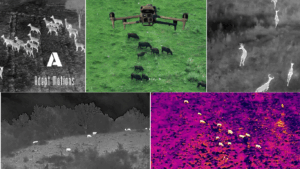
Oh, and let’s not forget the thermal imaging pros. These drones come with heat-sensing capabilities, so they can spot overheating equipment or energy leaks faster than you can spot a clearance sale. Basically, they’re the overachieving nerds of the drone world, and they know it.
Finally, there are the specialty drones—you know, the custom-built, super-specific gadgets for industries with extra picky needs. Whether it’s a drone that can fly miles along a pipeline or one designed to maneuver through the tightest spaces without breaking a rotor, there’s one for every scenario. These drones don’t just fit the mold—they create it. Pretty impressive for something that can’t even tie its own shoelaces.
Applications in Different Industries
From greasy pipelines to skyscraper rooftops, drones are showing up everywhere like they’re on some kind of industrial world tour. In the oil and gas industry, they’re zipping around pipelines, spotting leaks and cracks before they turn into full-blown disasters. It’s like having a watchful eye in the sky, except this one doesn’t need sleep or coffee breaks.
Then there’s renewable energy—solar farms, wind turbines, you name it. Drones are out there keeping tabs on these giants, making sure everything’s spinning, charging, and soaking up the sun as it should. It’s not exactly glamorous work, but someone—or rather, something—has to do it. Over at power plants, industrial drone inspection practices are inspecting infrastructure and ensuring your lights stay on. (Because nobody wants their gaming session interrupted, right?)
In the construction world, drones have become the ultimate snoops, flying over job sites to track progress, check safety compliance, and ensure projects don’t turn into expensive scavenger hunts for missing materials. It’s like having a foreman with wings.
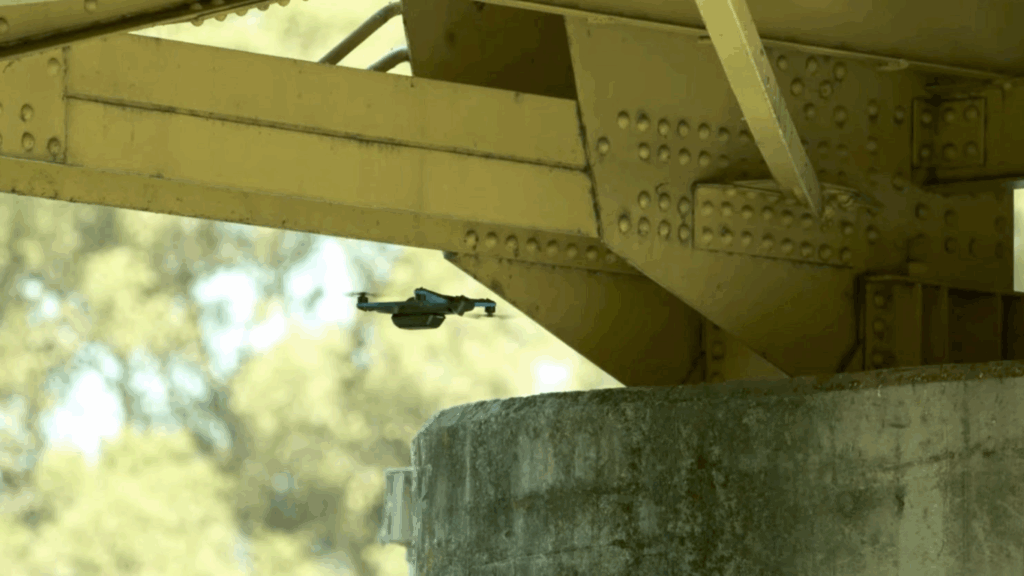
And if you think infrastructure gets left out, think again. Bridges, dams, and roads are also on the drone to-do list. Forget risking human inspectors dangling from ropes like action movie extras—drones can scan it all from above, no vertigo required. They’ve even made their way into agriculture, because crops, too, apparently need a little aerial TLC. From monitoring irrigation systems to mapping fields, drones are proving they’re not just for Instagram-worthy sunset shots anymore.
Technological Advancements in Drone Inspection
Drones are leveling up faster than your buddy in that one video game they never stop bragging about. These days, they’re packing some seriously futuristic gear that makes the gadgets in spy movies look like kid’s toys. We’re talking thermal cameras, LiDAR sensors, 3D mapping capabilities—you name it, they’ve probably got it. Some drones can even detect issues before they’re visible to the human eye. It’s like having a mechanical psychic, but instead of predicting your love life, it’s pinpointing corrosion on a pipeline.
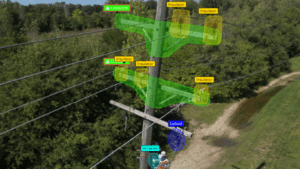
Then there’s AI, the brains behind the operation. Drones equipped with artificial intelligence are out there analyzing data mid-flight during the industrial drone inspection, recognizing patterns, and flagging problems like a snobby food critic at a cheap diner. These flying tech wizards are learning as they go, adapting to environments and perfecting their craft with every mission. Machine learning is helping them separate what’s important from what’s not, which is more than we can say for most of our email inboxes.
And let’s not forget connectivity. With advancements in 5G technology, drones are streaming real-time data faster than your Wi-Fi struggles to load a cat meme. Operators can now monitor inspections live, no matter where they are, which is basically the drone version of Facetime but way cooler. Pair all that with improvements in battery life and range, and you’ve got yourself a high-flying inspector that’s tough to beat.
Challenges and Solutions
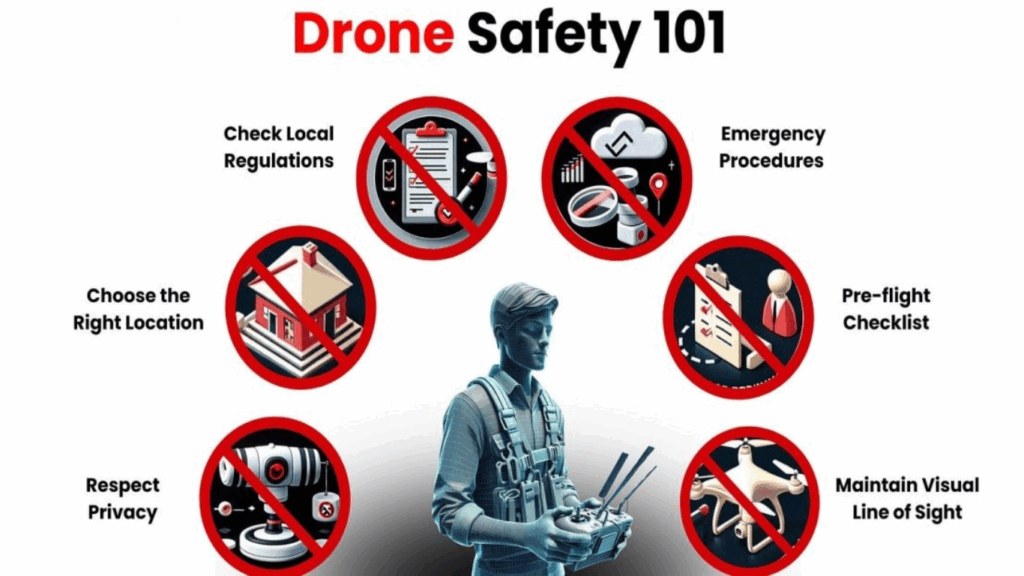
Let’s be real—drones are amazing, but they’re not perfect. For starters, they’re like the overly enthusiastic kid in gym class who doesn’t always follow the rules. Navigating airspace regulations is tricky, and let’s just say nobody wants their industrial drone inspection having an awkward mid-air encounter with a commercial flight. Thankfully, the regulatory world is catching up (slowly) with clearer guidelines so drones can do their thing without causing a national incident.
Then there’s the whole “bad weather ruins everything” problem. Rain, high winds, extreme temperatures—basically anything that could also ruin your picnic—is still a challenge for drones. Manufacturers are working on tougher designs that can brave the elements, but until then, drones remain fair-weather inspectors. Literally.
Oh, and don’t even get us started on battery life. Sure, drones have gotten better at staying airborne longer, but the moment you really need them to finish that one last inspection? Battery low. Land immediately. It’s like your phone dying at 2% just when you’re about to take the perfect selfie. The good news? Battery tech is improving, and those longer flights we dream about might soon be a reality.
But wait—there’s more! Drones can sometimes throw a tantrum when it comes to signal interference or connectivity issues. Think of it like your GPS losing signal when you’re lost in the middle of nowhere. Solutions like better communication tech and improved signal reliability are coming to the rescue, but it’s still a work in progress.
Finally, there’s human error. Yep, even with all that high-tech brilliance, it still takes a human to fly, program, or maintain the thing. Training operators is a must, because no one wants to be the person who crashed a $50,000 drone into a tree.
Future Trends in Industrial Drone Inspection
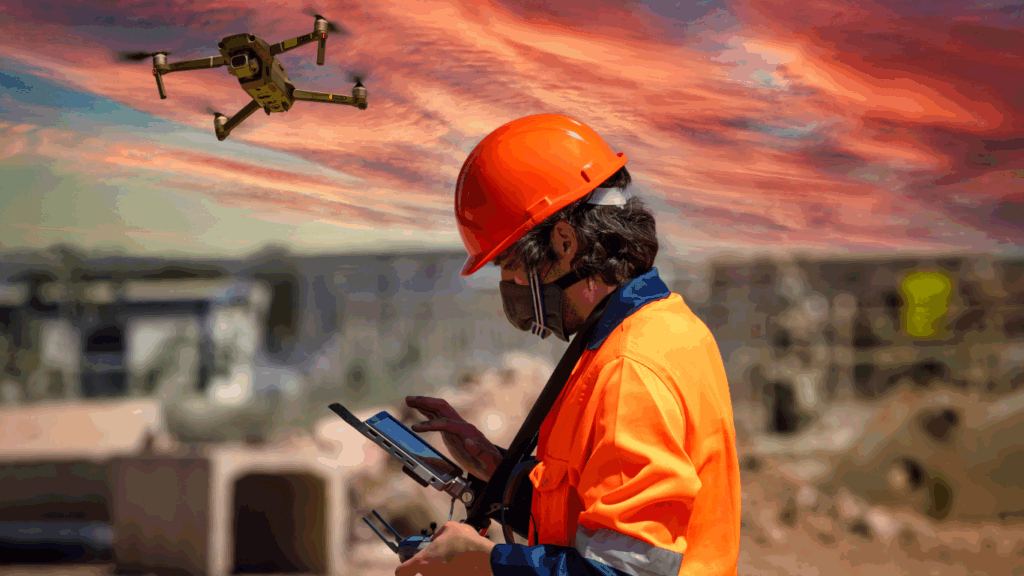
Drones are gearing up for a glow-up that would make your smartphone jealous. For starters, they’re getting smarter—AI is leveling up, helping drones make decisions faster than you can decide what to watch on Netflix. They’ll spot issues, analyze data, and send reports without you lifting a finger (except maybe to scroll through the findings). The goal? To make you look way more efficient than you actually are.
Battery life is also set to improve, meaning fewer pit stops for a recharge and more time in the air. Imagine a world where your drone doesn’t quit halfway through a job, leaving you with nothing but an awkward, unfinished report. Yeah, we’re pretty excited about that too. And speaking of range, future drones are expected to cover larger areas in one go, making them even better at their job—and by “their job,” we mean doing your job.
But it’s not just about being smarter and flying longer; drones are getting a tech makeover. From advanced collision-avoidance systems to better environmental adaptability, they’re turning into the ultimate problem solvers. Maybe one day, they’ll even solve the mystery of why printer jams still exist.
Expect to see drones becoming even more specialized, with tailor-made designs for niche industries. And as 5G technology continues to expand, live inspections will get even smoother, bringing crystal-clear data right to your screen in real time.
Bottom line: the future is looking brighter, faster, and way more efficient—all thanks to these flying robots that are out here making humans look bad at work.
Conclusion
As you can now see, there are numerous advantages to using drones for industrial inspections. Industrial drone inspections is a service that is growing extremely fast due to the fact is saves time, money, and possibly even a life! For more information on how drones could benefit your industry as well as tips on how to market your content or business with drone footage. Be sure to read our following related articles.
Related Articles