Drones: The New Farmhands You Don't Have to Feed
Author: Rick Moore
Owner/Founder
Date Published: 11/11/2025
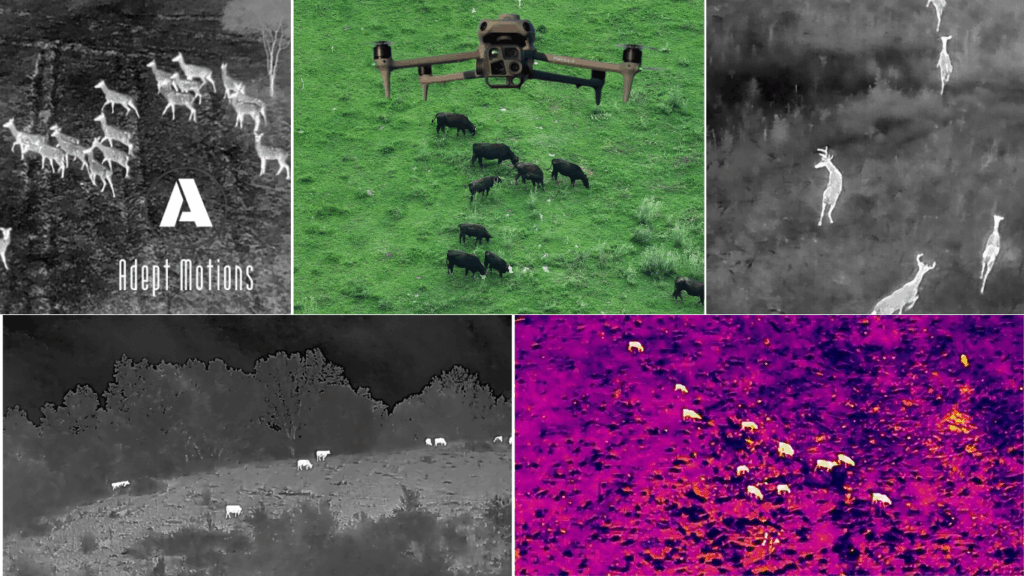
Table of Contents
Introduction to Drones in Livestock Management
Picture this: it’s a crisp morning on the farm, and instead of trudging out in your mud-caked boots to round up the herd, you’re sipping coffee while a drone zips through the sky, doing all the hard work for you. Sounds like something out of a sci-fi movie, right? Nope, welcome to the 21st century, where drones are now the MVP farmhands of livestock management. These flying gadgets aren’t just fancy toys for tech nerds — they’re the secret weapon for every farmer who’s ever thought, “There’s gotta to be an easier way to do this.”
Think of drones as the overachieving farmhands you never had. They’re quick learners, don’t need coffee breaks, and somehow manage to be in ten places at once. Whether it’s checking up on animals scattered across acres of land or spotting that one cow who always finds a way to Houdini herself out of the pasture, drones are on it. And the best part? They don’t complain about the smell of manure or get distracted scrolling through social media (unlike certain human helpers we won’t name).
So, if you’re still chasing after sheep or squinting through binoculars to figure out what’s going on out there, maybe it’s time to upgrade. Trust us, once you’ve let a drone take the reins (well, the propellers), you’ll wonder how you ever survived without one.
Enhanced Monitoring and Observation
If you’ve ever tried keeping an eye on a herd of animals scattered across what feels like half the planet, you know it’s like playing a never-ending game of hide-and-seek. Enter drones, the ultimate cheat code. These flying farmhands make monitoring your livestock feel less like a chore and more like playing with a really cool toy. Forget trekking across fields or climbing fences; now you can sit back and let the drone do the legwork — or, well, the propeller work.
Picture it: a drone zooming over your property, spotting that one rebellious goat trying to break free or catching a cow napping in a shady spot you didn’t even know existed. They’re like spies, but without the trench coats and cryptic accents. Need to check on a specific animal? Just send your drone on a quick mission, and boom — you’ve got eyes on the target faster than your dog can steal a sandwich off the counter.
And because drones are equipped with fancy cameras, they’ll catch details you’d miss even with 20/20 vision. Is that sheep limping? Is the herd grazing too close to the neighbor’s fence (again)? Drones will let you know. Plus, since they give you an aerial view, you’ll catch patterns and trends in your livestock’s behavior that would take ages to notice from ground level. Basically, drones are turning farmers into high-tech detectives — without the need for a magnifying glass or a terrible British accent.
Efficient Land and Resource Management
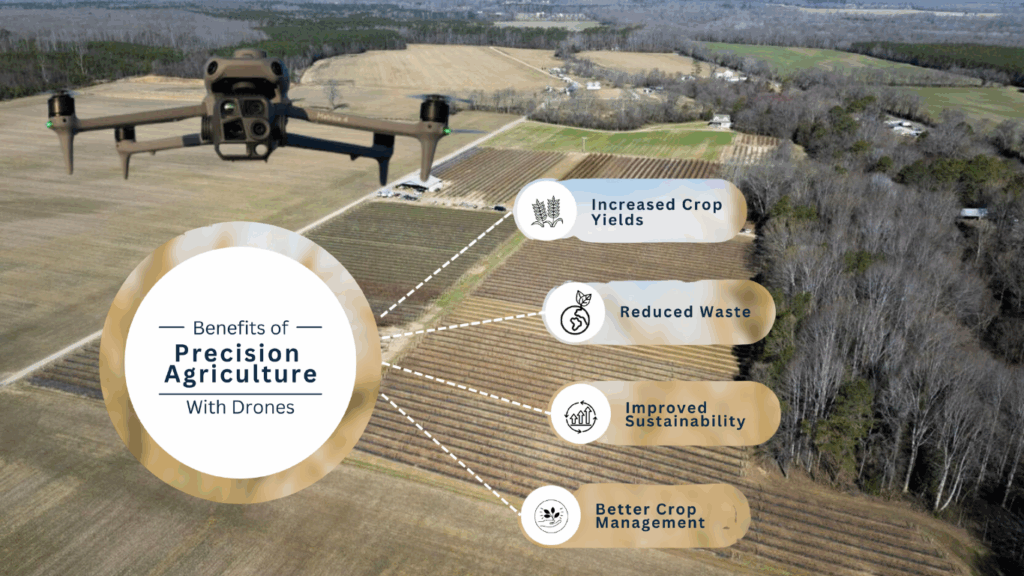
Managing land can feel a bit like trying to solve a jigsaw puzzle where half the pieces are missing and the dog just chewed the corner of the box. Luckily, drones swoop in to save the day, armed with tech that makes the whole process less of a headache. With their GPS wizardry, these flying gadgets can give you a detailed breakdown of your property faster than you can say “Why didn’t I think of this sooner?”
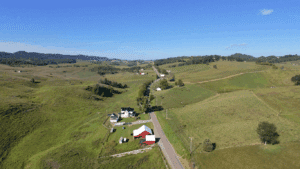
Want to know which parts of your pasture are the most fertile? Done. Curious if your cows have turned the back 40 into a muddy mess? The drone’s got it covered. These high-flyers let you maximize your land’s potential without spending hours wandering around like a lost tourist. And speaking of saving time, they can help you monitor water sources without trekking across fields and discovering (too late) that your boots aren’t as waterproof as you thought.
But wait, it gets better. Drones don’t just show you where things are going wrong; they help you figure out how to fix it. Need to rotate grazing areas more efficiently? Want to avoid overgrazing? That’s all in a day’s work for your airborne farmhands. They’re basically your farm’s personal trainer, but instead of shouting at you to do more squats, they’re showing you how to keep your land in tip-top shape. Who knew land management could be this stress-free?
Cost and Labor Savings
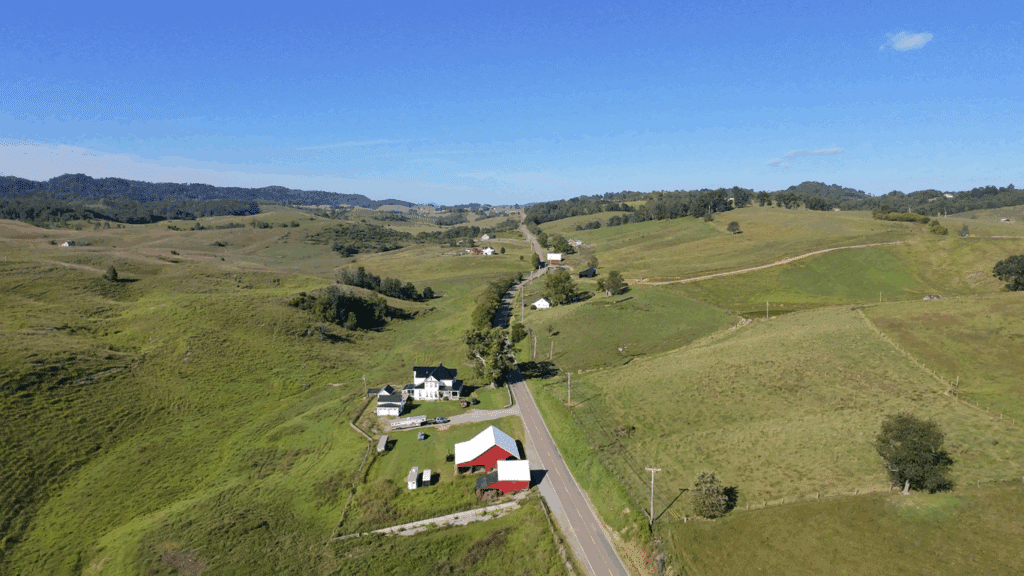
Look, we all know farming isn’t exactly a nine-to-five gig, and hiring extra help can sometimes feel like you’re running a charity for wayward teenagers and overly chatty neighbors. Enter drones, the budget-friendly farmhands who don’t ask for lunch breaks or “a quick smoke.” These airborne wonders can handle tasks that used to take a crew of humans, and they’ll do it without complaining about the weather or asking for a raise.
Need to check on the herd spread across miles of land? Done. Want to keep an eye on the fence line without walking it yourself? Piece of cake. With drones, you’re cutting down on hours of manual labor, which means you can put your hard-earned dollars toward things that matter — like upgrading your equipment or finally fixing that tractor seat with the mysterious duct-tape situation.
Plus, let’s not forget how much time they save. Instead of running around like a headless chicken (ironically), you can delegate the grunt work to your flying helper and focus on the big-picture stuff. Or, you know, take an actual break for once — we hear sitting down is nice. Drones are basically the overachieving multitaskers every farmer dreams of, only they don’t need constant supervision or an endless supply of coffee.
Improved Safety for Farmers and Animals
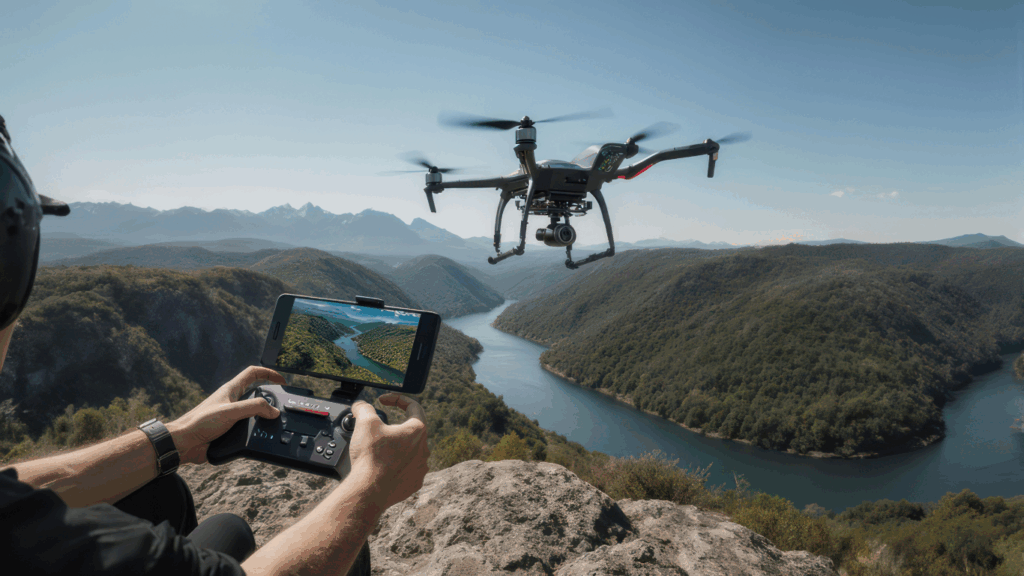
Let’s face it, wrangling livestock isn’t exactly a walk in the park. Between dodging flying hooves and trying not to get flattened by a disgruntled bull, it’s a wonder farmers aren’t outfitted in full-body armor. That’s where drones come in—finally, a way to keep yourself out of harm’s way without turning into a real-life rodeo clown. These flying farmhands can handle the close-up work, like checking on that one cow who looks like she’s about to stage a rebellion, while you stay at a safe (and much less stressful) distance.
And it’s not just about you avoiding a visit to the ER—drones also help keep your animals safer. Instead of spooking the herd with an unexpected human ambush, you can quietly check on them from above. No stampedes, no drama, just a peaceful flyover. Plus, in case of emergencies (you know, the “why is that cow standing on the wrong side of the fence?” kind), drones can be your first responders. They give you a bird’s-eye view of the situation in seconds, so you can plan your next move without rushing in blind.
Even tricky terrain isn’t a problem anymore. Who wants to scramble over rocky hills or wade through swampy pastures when you’ve got a drone that can zip across it all without breaking a sweat—or, you know, getting stuck up to its ankles in mud? It’s like having your own personal farm superhero, minus the cape and the overly dramatic backstory.
Future Potential and Technological Advancements
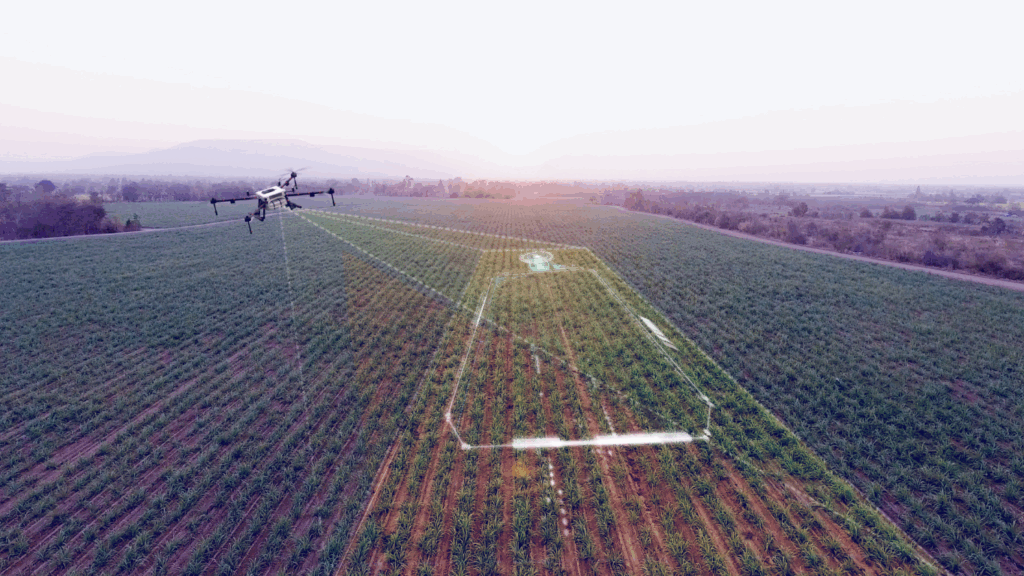
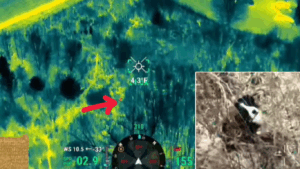
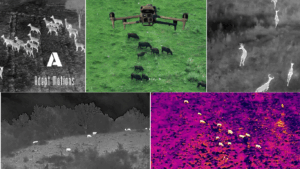
Let’s talk about the future of drones in farming — because, yes, things are about to get even cooler. If you think drones are impressive now, just wait until they start leveling up with all the latest tech gadgets. Imagine drones equipped with thermal imaging to spot animals in distress, sensors that monitor soil quality while flying over your fields, or even artificial intelligence that predicts livestock behavior. It’s like having a tech-savvy crystal ball, but instead of telling your fortune, it’s making sure your farm runs smoother than ever.
And don’t even get us started on automation. We’re heading toward a world where drones will sync with other devices to create a fully connected farm. Watering systems, feeding stations, you name it — your drone could be in charge of it all, leaving you free to kick back and enjoy some well-earned downtime (or at least drink your coffee while it’s still hot). Plus, with the way drone tech is evolving, they might even start coming with features you didn’t realize you needed — like a built-in playlist for those early morning flyovers. Who says farm work can’t have a soundtrack?
Oh, and here’s a fun thought: swarm technology. That’s right, we’re talking multiple drones working together like some kind of futuristic choreographed dance team, tackling big tasks in record time. Need to survey a massive stretch of land or keep an eye on several herds at once? Easy. The future farm might just look like a scene from a sci-fi movie — but with way more cows.
So, while the thought of more tech might sound intimidating, trust us, it’s all about making your life easier. Drones are only going to get smarter, faster, and better at handling the heavy lifting, leaving you more time to focus on what really matters — or, you know, not losing your mind during calving season. The future of farming is in the sky, and it’s looking pretty awesome.
Conclusion
As you can see, using drones as farmhands is most likely the way of the future. With more and more farming families having children that do not want to take over the business. Drone acting as farmhands looks more and more appealing because it simply saves farmers so much money and time.
Drones can be used for many other things as well, such as marketing your business, industrial purposes plus more. To learn more about how drones can be used in different industries, be sure to read our following related articles. Also, do forget to take a look at some of most asked questions and answers about using drones as farmhands for livestock management.
FAQ's
Drones are transforming livestock management by providing innovative ways to monitor and manage herds. These devices allow farmers to oversee their operations remotely, covering large areas with ease. With advanced technology such as high-resolution cameras and thermal imaging, drones offer precise insights into animal locations and behavior. They also assist in evaluating pasture conditions and identifying potential issues that may require attention. By integrating drones into daily operations, farmers gain a powerful tool that enhances efficiency and reduces manual workload. This technology represents a significant shift in how agricultural tasks are approached, making herd management more streamlined and effective.
Drones provide an aerial perspective that helps farmers locate animals quickly, especially in hard-to-reach areas or across large properties. Thermal imaging allows for detecting livestock at night or in dense vegetation, ensuring no animal goes unnoticed. These devices can also identify signs of distress or injury in animals, enabling faster intervention. By surveying grazing patterns and land use, drones help farmers optimize pasture management. Equipped with real-time video streaming, drones give farmers instant updates on their herds, reducing the time and effort required for traditional monitoring methods.
Key features for drones in livestock management include high-resolution cameras for detailed imaging and thermal sensors to detect animals in low-light environments. Long battery life and extended range are vital for covering expansive farmland. Robust designs ensure durability under various weather conditions. Additionally, advanced models come with real-time video streaming and GPS capabilities for precise tracking. These features help streamline operations, making it easier to monitor animals effectively and address potential issues in a timely manner.
Drones can help reduce costs by minimizing the reliance on manual labor and lowering vehicle expenses. Their ability to quickly and efficiently monitor livestock saves time and resources compared to traditional methods. By identifying issues early and optimizing farm operations, drones contribute to improved productivity. Over time, the efficiency they bring to managing herds and pastures often outweighs their initial investment, making them a practical option for many farmers seeking more economical and effective ways to oversee their livestock.
Operating drones in agriculture requires proper training to ensure they are used efficiently and safely. Weather conditions, such as heavy winds or rain, can disrupt their functionality, creating obstacles for consistent use. Regulatory restrictions may limit where and how drones can be deployed, requiring farmers to stay informed about local laws. Maintenance and repair needs can also add to operational costs, as drones must be kept in good condition to perform reliably over time.
Ongoing advancements in drone technology, such as artificial intelligence and automation, are set to revolutionize livestock management. These innovations will allow for improved data analysis and reduced reliance on manual operation. As these tools become more sophisticated, farmers can expect greater efficiency and precision in managing herds, paving the way for more sustainable and productive farming practices.
Related Articles