Drone Utility Inspections: Spying on Power Lines with Ease

Author: Rick Moore
Owner & Founder
Date Published: 9/23/2025
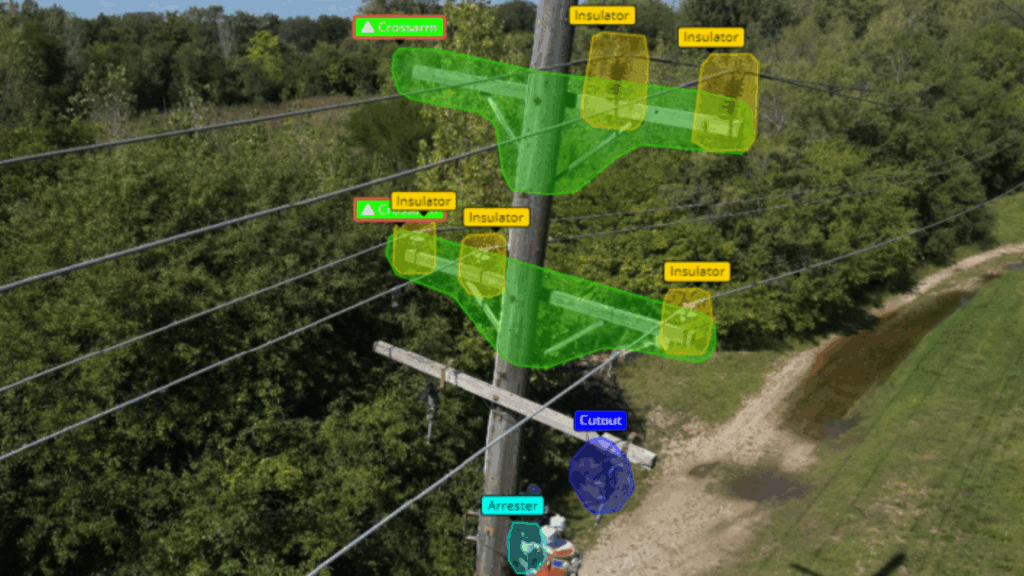
Table of Contents
Introduction to Drone Utility Inspections
So, you think drones are just fancy toys for tech geeks and aspiring filmmakers? Think again. These zippy little machines have swapped out hobbyist tricks for serious business—like checking out power lines and utility structures. Gone are the days when someone had to scale a tower with nothing but a harness and questionable life choices. Now, drones are swooping in, taking crystal-clear pictures, and making the whole process look way cooler than it probably should.
Imagine a gadget that can hover, swoop, and inspect—all while keeping humans comfortably on the ground with their coffee cups. That’s what we’re talking about. And no, this isn’t some sci-fi plot where machines are plotting our demise. These drones are more interested in finding rusted bolts and frayed wires than overthrowing humanity.
Utility companies are loving this tech upgrade, and honestly, who can blame them? Drones don’t need breaks, they don’t complain about bad weather, and they definitely don’t have to fill out expense reports after a long day in the field. Plus, with all their built-in tech wizardry, they’re doing inspections faster and better than ever before.
In short, drones are officially the MVPs of utility inspections. The real question is, how did we survive without them for so long?
Applications of Drones in Utilities
Let’s face it—utility work isn’t exactly glamorous. It’s not like anyone’s out there dreaming about scaling a power tower or trudging through miles of pipeline. That’s where drones come in, ready to take on all the dirty, dangerous, and downright tedious jobs while the rest of us stay comfortably planted on solid ground. Need to check for damage on power lines after a storm? A drone’s got you. Spot a leak in a pipeline running through who-knows-where? No problem. These flying marvels are like the Swiss Army knives of the utility world, minus the risk of pinching your fingers.
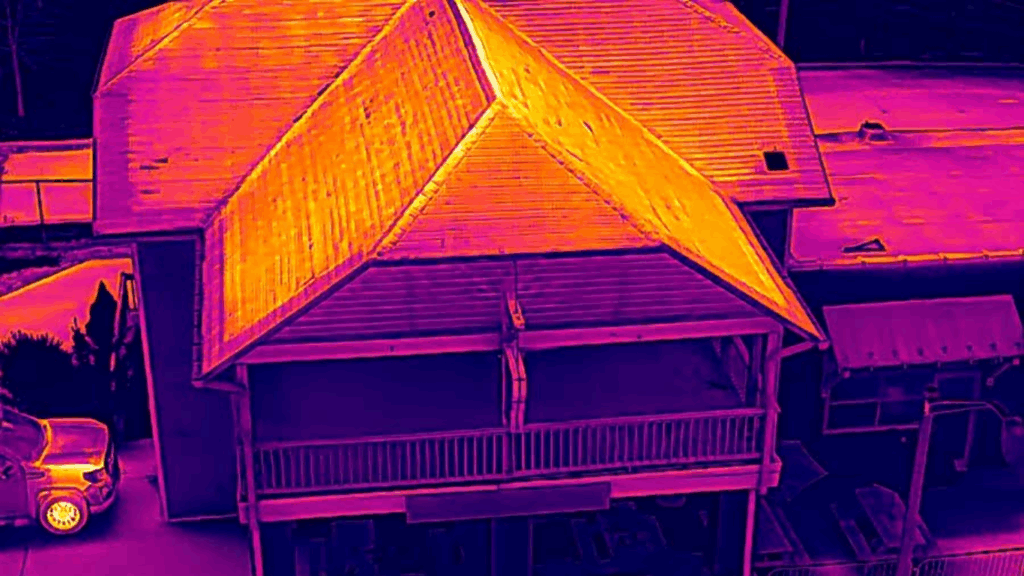
And it doesn’t stop there. Water systems? Checked. Solar panels? Inspected. Wind turbines? Consider them covered. Drones are swooping in to take high-resolution photos, thermal images, and even 3D maps. They’re not just getting the job done—they’re doing it with a level of detail that would make a microscope jealous. Plus, they don’t complain about the weather, the altitude, or the fact that they just flew over a field full of poison ivy. You can’t say the same for Dave from maintenance.
And let’s not ignore the sheer efficiency here. Why spend days—or weeks—sending out crews when a drone can cover the same ground in a fraction of the time? It’s like upgrading from a flip phone to a smartphone overnight. Sure, we’ll still need humans to analyze the data and make the big calls, but drones are basically the ultimate sidekicks. Utility work has never looked so high-tech (or so easy).
Technological Features of Inspection Drones
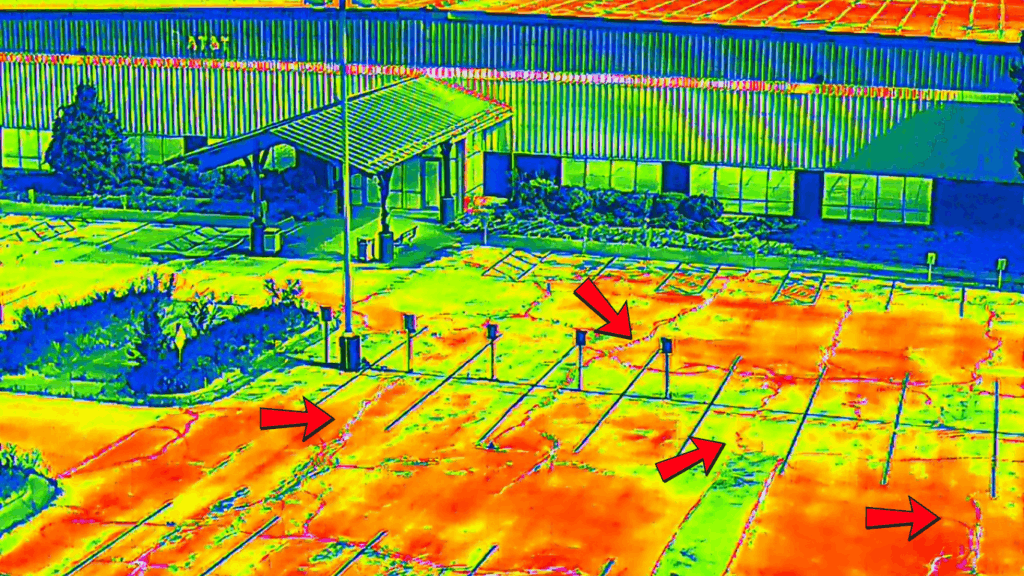
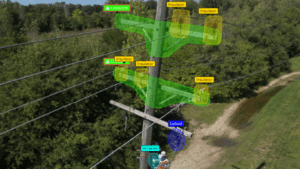
Inspection drones are like the overachievers of the tech world. Equipped with cameras that could probably double as telescopes, these gadgets capture details so sharp you’d think they were showing off. Need to spot a crack smaller than your patience during rush hour? No problem. They’ve got thermal imaging, LiDAR, and sensors so advanced they could probably tell you what you had for breakfast—okay, maybe not, but you get the idea.
And let’s talk about AI because, apparently, drones decided being just “smart” wasn’t enough. These flying tech nerds can process data faster than your Wi-Fi streams a cat video. They don’t just snap pictures; they analyze them, flagging potential issues before humans even know what’s up. It’s like they’ve got a sixth sense, minus the whole seeing-dead-people thing.
Oh, and don’t even get us started on automation. Some of these drones are so self-sufficient they could practically fill out their own resumes. They can map routes, adjust their flight paths, and optimize inspections on the go—leaving humans to sit back and enjoy their coffee. Basically, they’re the colleague who actually gets stuff done while the rest of us are stuck in back-to-back meetings.
And let’s be real: even the most skeptical utility worker has to admit it’s hard not to be impressed by a gadget that can fly straight into the danger zone, collect all the crucial data, and be back before anyone’s had a chance to argue over lunch orders. These drones? Absolute show-offs—and we’re not even mad about it.
Safety and Efficiency Improvements
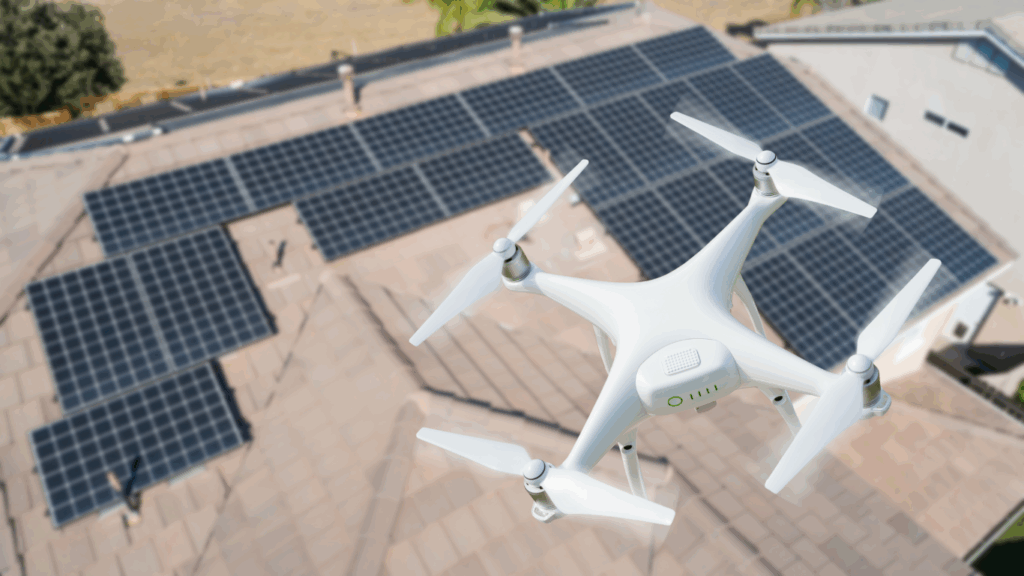
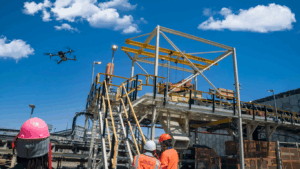
Let’s talk about how drones are basically turning utility work into the coolest job ever. Remember when inspecting tall structures meant channeling your inner action hero and risking life and limb? Yeah, drones laughed at that and said, “Hold my rotor blades.” Now they’re taking over those heart-pounding, vertigo-inducing tasks, leaving humans safe and sound with both feet planted firmly on the ground—preferably near a snack table.
But safety isn’t the only thing these flying tech geniuses are serving up. Efficiency? Oh, they’re serving it piping hot. Need to check a dozen power poles, a sprawling pipeline, and a solar farm all before lunch? Easy. Drones can zip through inspections faster than you can say, “Did we really used to do this manually?” No more sending crews out for hours (or days), only to realize they need to go back because someone forgot to pack the right tools.
And hey, let’s not ignore their ability to spot problems before they turn into disasters. It’s like having an eagle-eyed coworker who actually pays attention for once. Cracks, leaks, loose bolts—drones are catching all the things you’d rather not discover during a blackout or, you know, an exploding transformer situation.
Oh, and the best part? They do it all without complaining about the weather or needing a coffee break. Try finding a human employee who can pull that off. Drones: keeping utility work safe, efficient, and dare we say, almost fun to watch.
Challenges and Solutions
Let’s be real: it’s not all smooth flights and perfect landings in the world of drones. First off, let’s talk about airspace rules—because apparently, you can’t just send a flying robot wherever you want. Who knew? Navigating regulations is like trying to untangle holiday lights, only less festive and more paperwork. And don’t even get us started on licensing. If you thought getting your driver’s license was a hassle, wait until you see what it takes to operate a drone legally.
Then there’s the technology itself. Sure, drones are impressive, but even the best ones occasionally have “a moment.” Maybe it’s a glitch mid-flight or the battery decides to take a quick nap when it’s miles away from home base. Nothing like watching your fancy gadget drop out of the sky to really spice up a workday.
And yes, people love to bring up the privacy debate. No, our drones aren’t zooming in on your backyard BBQ or trying to spy on your questionable lawn decorations. But convincing everyone of that? A whole other story. Let’s just say not everyone is thrilled about the idea of flying cameras—even if they’re busy saving the day on utility inspections.
Luckily, these bumps in the road are totally fixable. Better training, smarter tech, and clear communication go a long way. As for the regulations, well, we’re working with the folks who write the rules to make sure everything stays on the up and up. It’s a process, sure, but one we’re tackling head-on—because grounded drones aren’t helping anyone.
Future Trends in Drone Utility Inspections
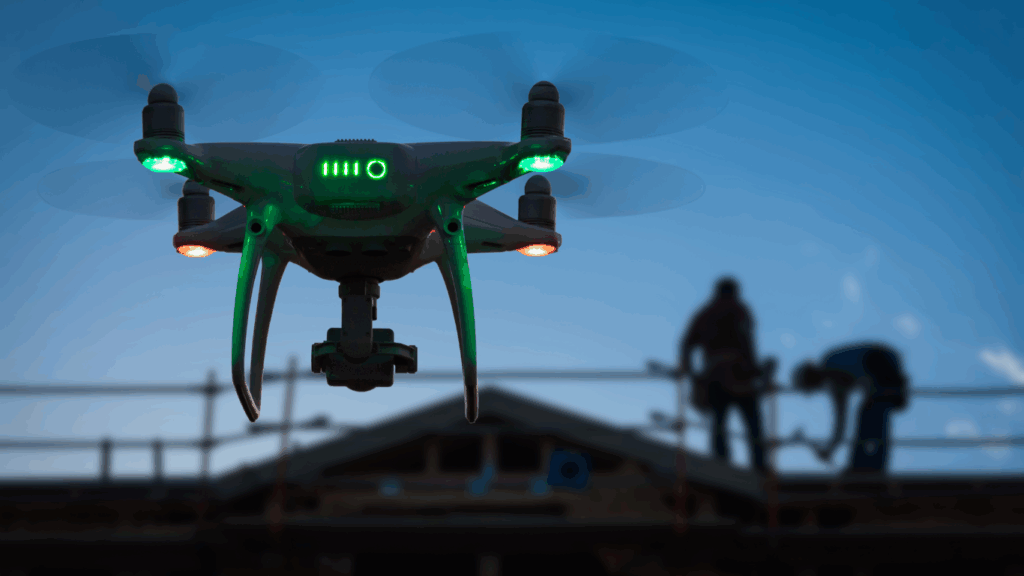
If you think drones are impressive now, just wait—it’s like they’re in a never-ending tech glow-up. The future of drone utility inspections look like something straight out of a sci-fi movie, but with fewer aliens and more practicality. For starters, battery life is going to get way better. No more sending a drone out only to have it return five minutes later like it forgot to charge overnight. We’re talking longer flights, wider ranges, and maybe even self-charging capabilities. Yes, that’s a thing being worked on. Drones plugging themselves in like they’re tired from all that hard work? Iconic.
Then there’s AI. If you thought drones were already smart, the next generation will probably make your smartphone feel like a flip phone. Future drones will likely analyze issues in real-time, provide solutions on the spot, and maybe even shoot you a text saying, “Hey, found a problem. Wanna fix it now or wait till it’s worse?” Basically, they’re about to become the coworker who’s not just efficient but also eerily proactive.
Oh, and let’s not forget swarm technology. Yes, drones working together like a tiny, flying task force. Imagine an entire fleet inspecting different parts of a solar farm simultaneously, finishing the job in record time. Coordinated efficiency? Check.
But wait, there’s more! We’re probably going to see drones equipped with even more specialized tools—think ultrasonic sensors, advanced chemical detectors, or tech we can’t even pronounce yet. They’ll be able to handle complex drone utility inspections that currently require, you know, actual humans.
In short, drones are on track to become even more indispensable, as if they weren’t already stealing the spotlight. The future of inspections is looking less like hard hats and clipboards and more like flying tech wizards doing all the heavy lifting. Honestly? We’re here for it.
Conclusion
As you can now see, drone utility inspections are something that are growing more popular. Not only are drone utility inspections quicker and more efficient, but they are also much safer for your employees. For more information on drone utility inspections, commercial marketing with drones, and benefits of drones in construction. Be sure to read our following related articles.
Related Articles