Owner & Founder
Date Published: 3/3/2026
In the realm of public safety, drones have become an innovative tool, offering new ways to support emergency response efforts. These small, unmanned devices have shifted how emergencies are approached by enabling faster access to critical information. Their ability to reach locations quickly and efficiently makes them an ideal addition to emergency response teams.
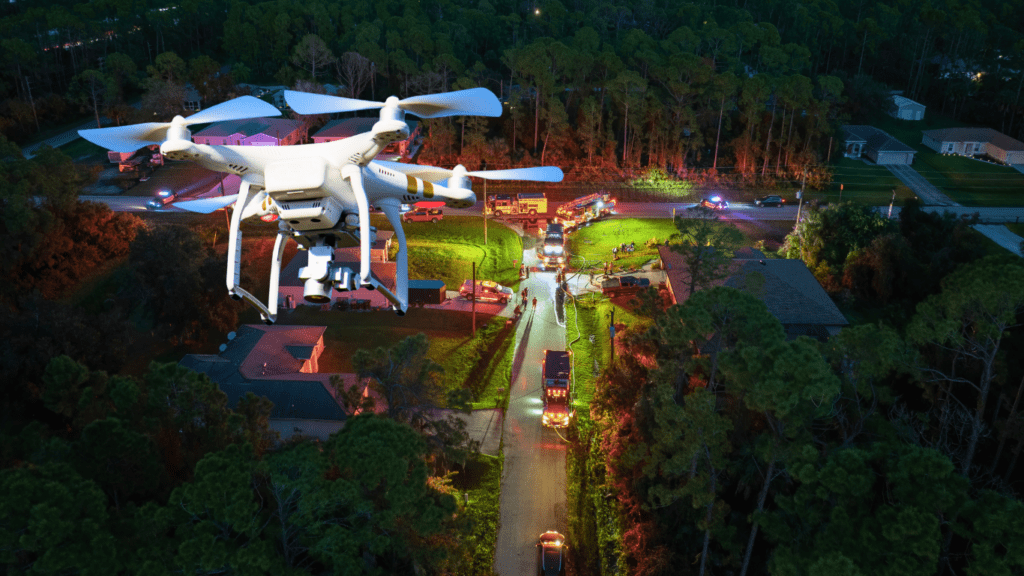
Equipped with advanced technology like high resolution cameras and thermal sensors, drones can capture detailed images and provide live video streams, helping responders better understand the situation at hand. This information can be vital in assessing risks, prioritizing actions, and coordinating efforts between teams, all before ground units even arrive.
Drones are particularly useful in situations where traditional methods may face limitations, such as navigating areas with restricted access or hazardous conditions. By offering a bird’s eye view and real time updates, drones contribute to faster decision making and more effective strategies. Their role as first responders demonstrates how technology can enhance public safety efforts in meaningful ways.
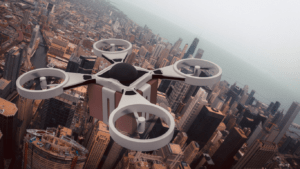
Drones offer unique advantages in emergency response, transforming how first responders manage critical situations. Their ability to access areas that may be difficult or unsafe for traditional methods is a key benefit, especially in environments like dense urban landscapes or rugged terrain. By providing a clear aerial view, drones empower emergency teams to gather essential details without delay.
Advanced technology integrated into drones, such as thermal imaging and zoom cameras, allows responders to detect crucial details that might not be visible from the ground. For example, they can identify heat signatures to locate individuals or assess structural stability in disaster zones. This advanced situational awareness ensures that emergency teams are equipped with actionable information as events unfold.
Additionally, drones serve as a reliable communication tool. They can relay live video and data directly to command centers, enabling seamless coordination across teams. This capability helps decision-makers allocate resources more effectively and ensures everyone involved has a shared understanding of the situation. With these tools, teams can respond to emergencies more strategically and efficiently.
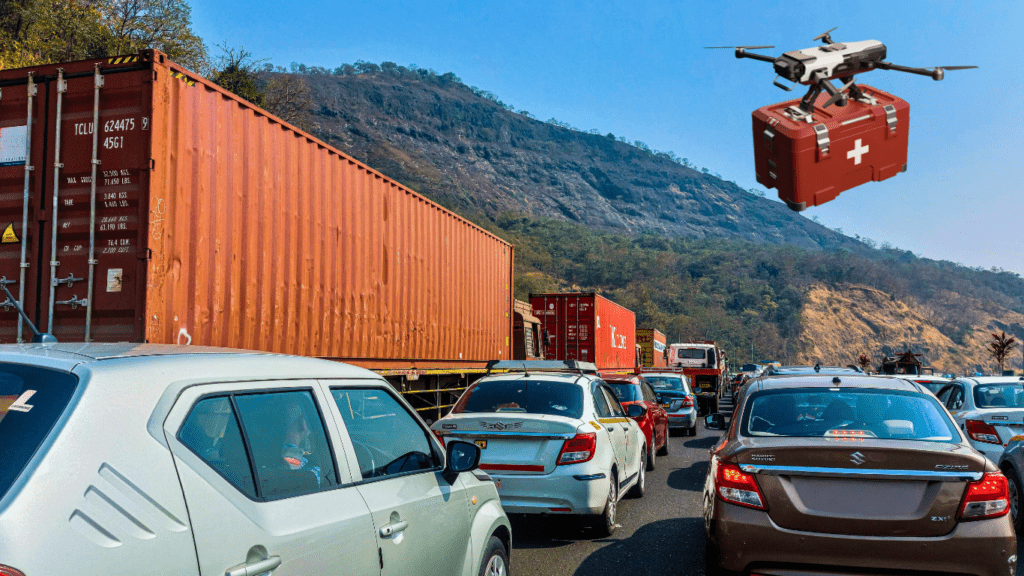
Beyond their technical capabilities, drones also address logistical challenges. They can quickly bypass obstacles such as traffic congestion, reaching locations faster than ground vehicles in many cases. This swiftness is critical in scenarios where timing can make a life-saving difference.
Drones are transforming emergency response by enhancing both safety and operational efficiency. Their ability to quickly assess emergency scenes provides first responders with critical insights, reducing the need for personnel to enter potentially dangerous situations without prior knowledge. By remotely identifying hazards like unstable structures, high temperatures, or harmful substances, drones help responders make informed decisions about their approach, minimizing exposure to unnecessary risks.
The speed at which drones gather and transmit information is another significant advantage. With real-time video and data streaming, responders can evaluate the situation as it unfolds and adjust their strategies instantly. This ensures that resources are deployed where they are most needed, avoiding delays that could otherwise impact the outcome. For example, drones can assist in pinpointing exact locations of individuals needing help, allowing rescue teams to act with greater precision and urgency.
Additionally, drones help streamline communication across various teams during emergencies. By delivering a clear visual overview of the scene, they enable coordination between on ground units, command centers, and other supporting agencies. This shared perspective ensures everyone involved has a cohesive understanding of the situation, leading to more synchronized and effective responses.
Another area where drones excel is in overcoming logistical barriers that often slow down traditional response methods. Whether navigating through traffic clogged city streets or reaching remote locations with difficult terrain, drones can arrive faster and with fewer obstacles. This capability not only saves time but also allows for quicker intervention in critical scenarios, where every second counts.
With their ability to reduce risks, speed up situational analysis, and enhance collaboration, drones are redefining how first responders operate, making emergency response efforts more effective and adaptive than ever before.
Integrating drones into emergency response efforts involves addressing several practical and operational challenges. One significant consideration is the need for skilled personnel to operate the equipment effectively. Piloting drones requires specialized training, which can demand significant time and financial resources from agencies. Ensuring operators are proficient in both maneuvering the devices and utilizing advanced features, such as thermal imaging or live streaming, is essential for maximizing their potential.
Another challenge lies in maintaining and upgrading the technology itself. Drones must be kept in optimal condition to ensure reliability during emergencies, which includes routine maintenance, software updates, and replacing components as needed. These ongoing requirements can add to the overall cost of running a drone program, particularly for smaller agencies with limited budgets.
Environmental factors can also impact drone operations. For instance, extreme weather conditions like heavy rain, strong winds, or low visibility may hinder a drone’s ability to perform effectively. Similarly, physical limitations such as short battery life can restrict the time drones can stay in the air, requiring agencies to plan carefully for their use during extended incidents.
Additionally, collaboration between different agencies or jurisdictions can introduce challenges, especially when it comes to standardizing procedures or sharing resources. Coordination is crucial to ensure smooth integration of drones into larger emergency response frameworks.
Beyond the technical and operational aspects, community acceptance plays a vital role in the success of drone programs. Public concerns over data security and potential misuse of drone footage can lead to hesitancy or resistance. It’s important for agencies to be transparent about how drones are used and the safeguards in place to protect privacy. Educating the public on the benefits of drones in emergency situations can help build trust and support for these programs.
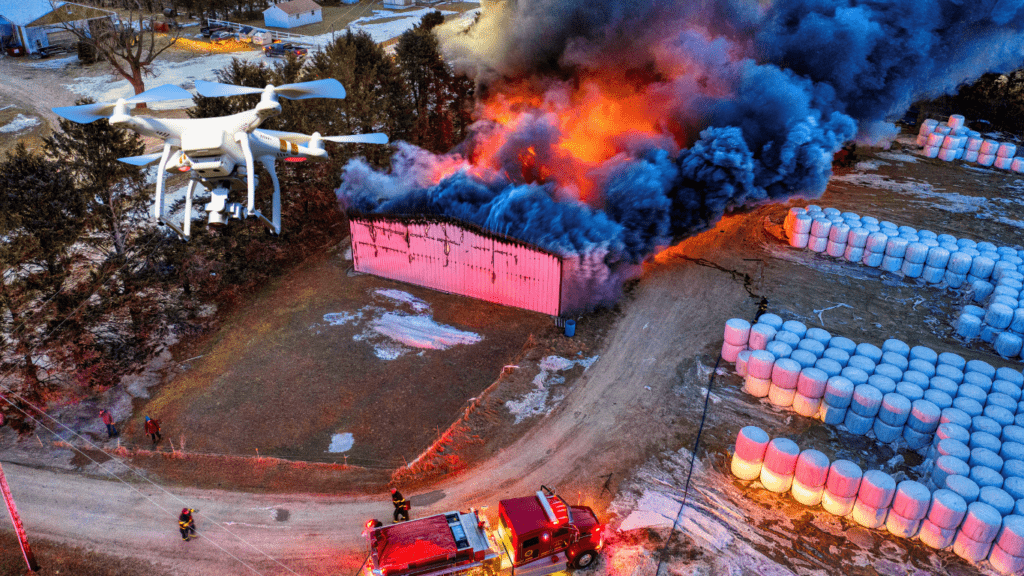
Drones have proven to be a game changer in emergency response through various real-world applications. In California, during active wildfire incidents, drones equipped with thermal imaging cameras have been deployed to map fire perimeters and monitor hotspots. This information has allowed firefighting teams to allocate resources more effectively, enhancing their ability to contain fires while protecting both lives and property.
In coastal areas, drones have been used for search and rescue operations, particularly in locating individuals stranded in hard-to-reach locations like cliffs or remote beaches. Their ability to quickly scan vast areas and transmit precise GPS coordinates has significantly reduced the time it takes to locate and assist those in danger.
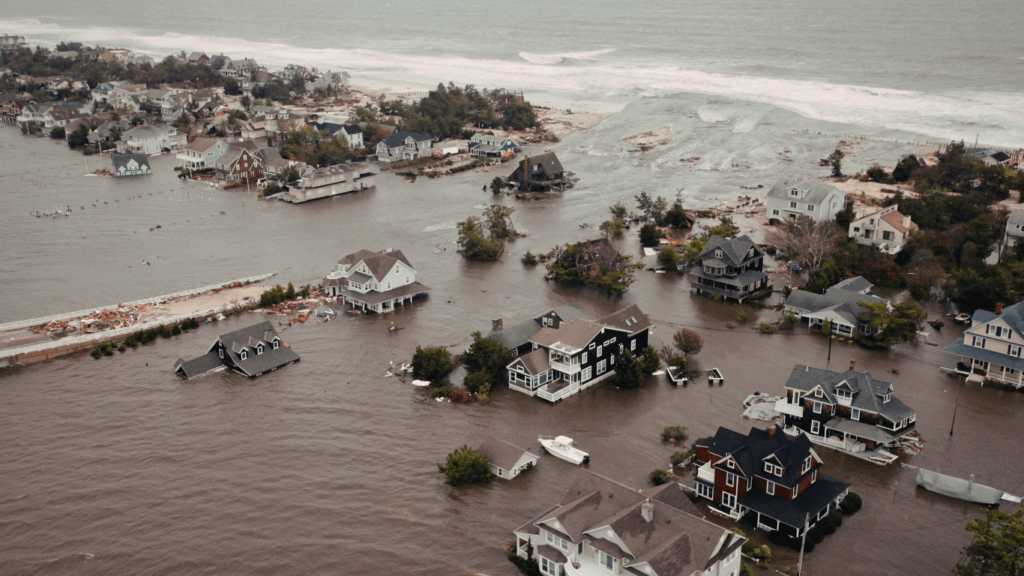
Another innovative use of drones has been seen during disaster response efforts after hurricanes. Emergency teams have utilized drones to survey damage in flooded or inaccessible neighborhoods, identifying areas in need of immediate assistance. By gathering this data, responders were able to prioritize their efforts and deliver aid faster to those most in need.
In urban settings, law enforcement agencies have used drones to enhance safety during large public events. By providing a comprehensive aerial perspective, drones have supported crowd management efforts and identified potential security risks. This proactive approach has helped officials respond to situations before they escalate.
Drones have also played a pivotal role in hazardous material incidents, allowing responders to safely assess spills or leaks without direct exposure to dangerous substances. This capability has been especially valuable in industrial areas, where rapid containment is critical to minimize environmental and public health risks.
Through these applications, drones have demonstrated their versatility and effectiveness in addressing a wide range of emergency scenarios, reinforcing their value as a tool for modern first responders.
As technology continues to evolve, drones are poised to revolutionize emergency response in unprecedented ways. Future advancements are expected to make drones more efficient, resilient, and versatile, allowing them to take on increasingly complex tasks in a variety of situations. Innovations like artificial intelligence and machine learning could enable drones to process data on the spot, enhancing their ability to identify critical details or detect patterns that would otherwise require human intervention.
Another exciting development is the potential for drones to work collaboratively. Swarm technology, for example, could allow multiple drones to operate together, covering larger areas or performing coordinated tasks simultaneously. This capability could be particularly impactful in large scale emergencies, where time and coverage are essential.
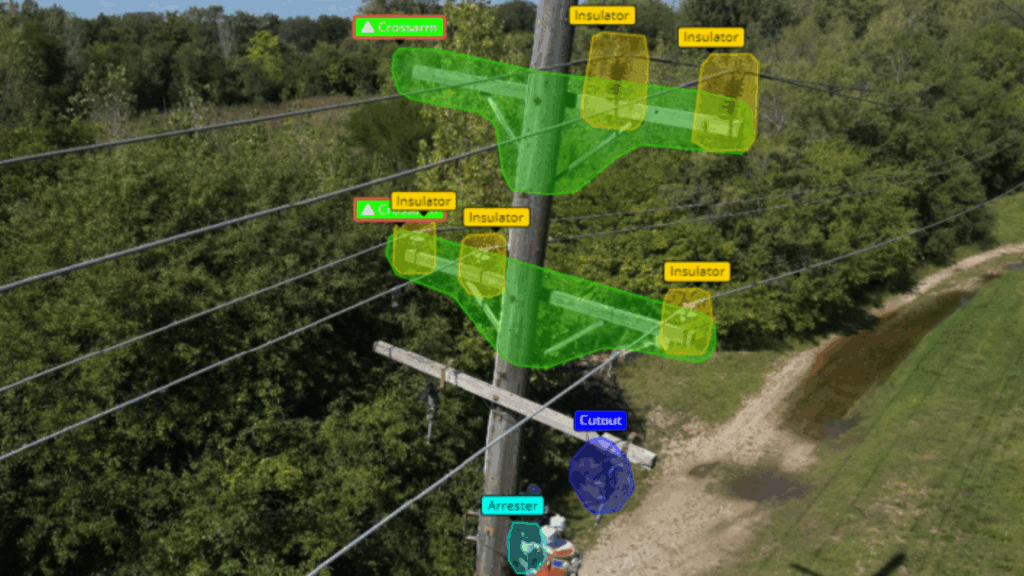
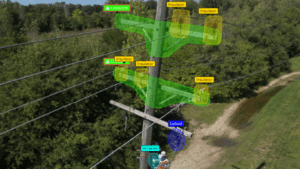
Expanding their use beyond traditional emergency scenarios, drones could also play a significant role in preventative measures. By monitoring infrastructure such as bridges, dams, or power lines, drones may help identify vulnerabilities before they escalate into emergencies. Similarly, they could assist in environmental monitoring, offering valuable insights into conditions that could trigger natural disasters, such as floods or wildfires.
Regulatory advancements and increased investment in drone programs could further streamline their integration into public safety efforts. Partnerships between agencies, private companies, and technology developers may foster innovation while addressing challenges such as operational costs, public concerns, and resource sharing.
The potential for drones to save lives, reduce risks, and optimize resources underscores their growing importance in emergency response. As these tools become smarter, more capable, and accessible, they will continue to empower first responders, enhancing both the speed and effectiveness of their work. The future of drones in public safety holds tremendous promise, offering solutions that adapt to the evolving demands of emergency management.
As you can now see, drones are being used as first responders more often every day. The ability for drones to avoid traffic and reach places impossible for humans makes them a very valuable resource in emergency situations. For more information on drones and how they can be used, be sure to read our following related articles.
Also, don’t forget to check out our most asked questions with answers on drones being used as first responders.
Drones are reshaping how emergency services operate, providing first responders with advanced tools to manage critical situations. These devices offer a bird’s-eye view that enhances situational awareness, allowing teams to better understand and respond to emergencies. With capabilities like aerial surveillance and data collection, drones are bridging gaps in traditional methods. They’re particularly useful in scenarios where speed and precision are essential, such as assessing damage after natural disasters or navigating areas that are hard to access. By integrating drones into their operations, first responders can address challenges more effectively and with greater confidence.
Drones significantly aid first responders by delivering critical information about emergency scenes in a matter of minutes. They can quickly scan affected areas, providing detailed visuals that help teams prioritize actions and allocate resources efficiently. For example, in a fire scenario, drones can identify hotspots and map out escape routes, ensuring responders focus efforts where they are most needed. Their ability to bypass obstacles and reach areas inaccessible by traditional means gives emergency teams a vital edge. This rapid data collection not only streamlines decision-making but also enhances the overall effectiveness of response efforts in high-pressure situations.
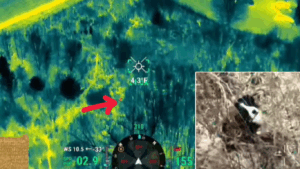
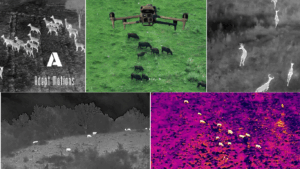
Drones equipped with thermal imaging cameras can detect body heat through darkness or dense vegetation, making them invaluable for locating missing persons. Their ability to cover wide, difficult terrains quickly, such as mountains or forests, saves critical time during rescues. By offering aerial perspectives and access to challenging areas, drones enhance the efficiency of search efforts. These devices also reduce risks for rescue teams, allowing them to focus on targeted locations while avoiding unnecessary exposure to hazardous conditions.

Drones allow first responders to evaluate dangerous environments without putting themselves in harm’s way. Equipped with real time video and sensors, these devices provide crucial insights into hazards like structural instability or toxic exposure. For instance, drones can monitor areas affected by wildfires, gathering data on fire progression and potential threats. By relying on this technology, responders can make informed decisions from a secure distance, reducing direct exposure to risks while still addressing the situation effectively.
Integrating drones into emergency services comes with practical and ethical challenges. Factors like unpredictable weather and limited battery capacity can hinder operations, requiring careful planning and backup solutions. Privacy concerns also emerge when drones operate in populated areas, emphasizing the need for clear communication with communities and adherence to legal guidelines. Additionally, training personnel to use drones effectively is crucial, as improper handling could compromise their potential. Addressing these challenges ensures drones are deployed responsibly and efficiently.
Advancements in technology will enable drones to take on more specialized roles, like providing immediate medical aid or assisting with urban traffic management during emergencies. Improved durability and smarter sensors will allow them to operate in tougher conditions, expanding their utility. Collaborative efforts between emergency teams and innovators will help refine these tools, ensuring they meet evolving needs. As these advancements continue, drones will play an increasingly vital role in protecting lives and improving response strategies.