Drone Delivery Services Could Be the Future for Both Ecommerce and Retail Stores.
Table of Contents
Introduction to Drone Delivery
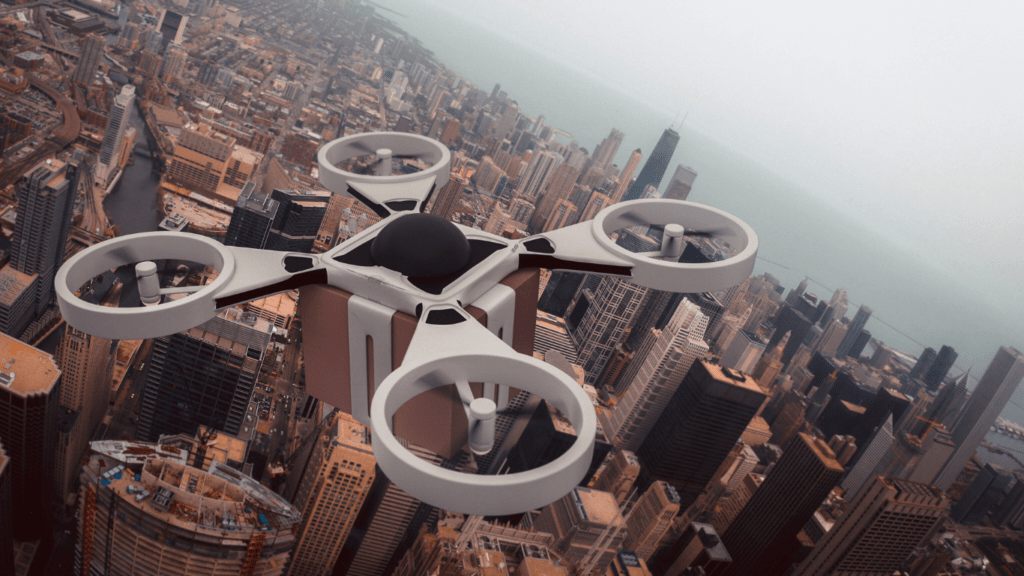
Ah, drone delivery—the marvel of modern convenience, where the skies are now buzzing with more enthusiasm than a swarm of bees at a flower festival. You used to have to rely on some overworked delivery driver navigating traffic and confusing addresses, but not anymore. Now, your packages are being carried by tiny airborne robots that seem like they’ve been pulled straight out of a sci-fi movie. Honestly, the only thing missing is some dramatic background music as they swoop in with your latest online impulse buy.
These little flying machines are making waves (or, well, wind?) in how we get our stuff. They’re nimble, they’re fast, and let’s face it—they’re probably better at following directions than most people. Whether you’re in the middle of a bustling city or somewhere with more cows than streetlights, these sky bound couriers are showing up like clockwork. Or, you know, as close to clockwork as possible when technology meets weather and airspace regulations.
But let’s not get too sentimental about the good old days of stalking a delivery truck on a map. We’re living in the age of drones now, where the excitement of hearing a knock at your door is replaced by looking up and seeing your package descending from the heavens. Is it practical? Yes. Is it futuristic? Absolutely. Is it just a tiny bit unsettling to know your deodorant now flies better than you? Also, yes.
Hybrid VTOL Designs
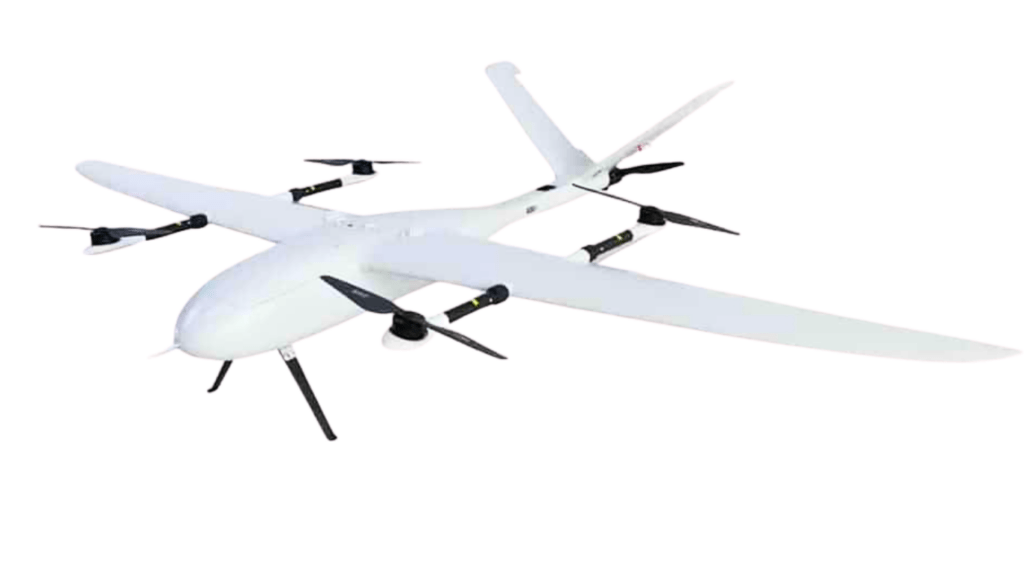
Hybrid VTOL Drone.
Okay, let’s dive into the wonderful world of Hybrid VTOL designs, because what’s more fun than turning a drone into a multitasking genius? These aerial wonders are a mashup of helicopter and airplane—basically the overachiever of the drone family. They take off and land vertically, which means no runways required (take that, regular planes!), but then they also cruise around with wings, gliding through the air like they’re auditioning for a role in Top Gun.
The genius of Hybrid VTOL is that it’s made to conquer just about any terrain. Tight city streets? No problem. Wide-open rural nothingness? Piece of cake. These drones are the ultimate show-offs, jumping straight into the sky and then zooming along horizontally like it’s no big deal. It’s like watching someone nail both the high jump and the 100-meter sprint—except this involves your groceries or that late-night impulse buy you’ll pretend was totally necessary.
And let’s not forget the efficiency factor. While the rest of us are stuck in traffic behind someone who forgot what a turn signal is, these drones are out here being aerodynamic rockstars. Wings for distance, vertical lift for precision—they’re like the Swiss Army knife of delivery tech. So, the next time your package swoops down from the sky, just remember it had a smoother journey than you did during your last road trip.
E-commerce and Drone Use
E-commerce and drones—name a better duo. Go ahead, we’ll wait. These little flying delivery machines have turned the shopping game on its head, and honestly, we’re here for it. Gone are the days of refreshing a tracking page like it’s the last five seconds of a sports game. Thanks to drones, your order might actually get to you faster than the time it took to decide between three different shades of beige curtains. Progress!
Picture this: You click “buy now,” and instead of imagining your package stuck in the black hole of a warehouse for eternity, it’s already airborne, heading straight for you. It’s like having your own personal delivery wizard, minus the pointy hat. With drones taking over the heavy lifting (or, well, light lifting—no one’s delivering couches like this just yet), e-commerce is turning into the real MVP of modern convenience.
And let’s talk about flexibility. Need something delivered to your urban rooftop patio? Done. How about the middle of nowhere, where cell service goes to die? No problem. These drones don’t discriminate—they’re equal opportunity couriers, showing up wherever, whenever, and saving you from awkward “sorry we missed you” notes.
But the real kicker? They’re cutting out so much of the logistical nonsense that used to slow down deliveries. No traffic jams, no wrong turns, no fumbling for parking. Just a straight shot from the warehouse to your doorstep—or, let’s be real, your yard, because landing precision is still a work in progress. Either way, drones are here to make your shopping sprees even more satisfying.
Medical Deliveries via Drones
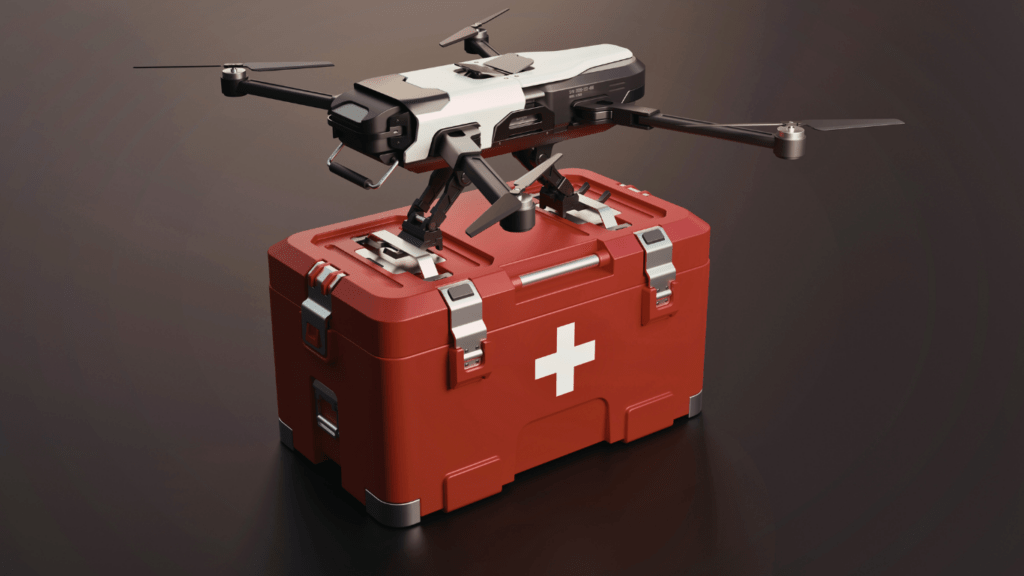
It is Predicted That Drones Will Be Used to Make Medical Deliveries in the Future.
While most drones are busy playing Santa with our online shopping, some have taken on a more dramatic and heroic role: delivering medical supplies. Yes, these flying overachievers aren’t just for dropping off your snacks or the latest gadget you didn’t need but bought anyway—they’re also out here saving lives. Picture this: a drone carrying life-saving medications or blood zooming over a forest, mountains, or whatever other obstacles have been laughing at ground transportation for decades. Suddenly, those little buzzing machines don’t seem so frivolous, do they?
These drones are especially shining in remote areas, where “accessible” is just a word people throw around without actually meaning it. A regular car or even a helicopter might struggle to navigate such areas, but drones? They’re like, “Oh, is that a challenge? Hold my propellers.” They’re managing to deliver critical supplies faster than you can find the doctor’s office parking lot. Vaccines, blood, emergency medications—they’ve hauled it all, proving that sometimes the future of healthcare looks suspiciously like a giant robotic mosquito.
What’s more, drones are not taking coffee breaks or getting stuck in traffic, which means they can cut down delivery times dramatically. And, sure, it’s great that your burrito arrives warm, but when it’s someone’s life on the line, shaving minutes off can make all the difference. While we’re still figuring out how to perfect delivery routes and navigate airspace drama, these tech-savvy helpers are already rewriting the playbook on what “urgent delivery” really means.
Challenges and Solutions
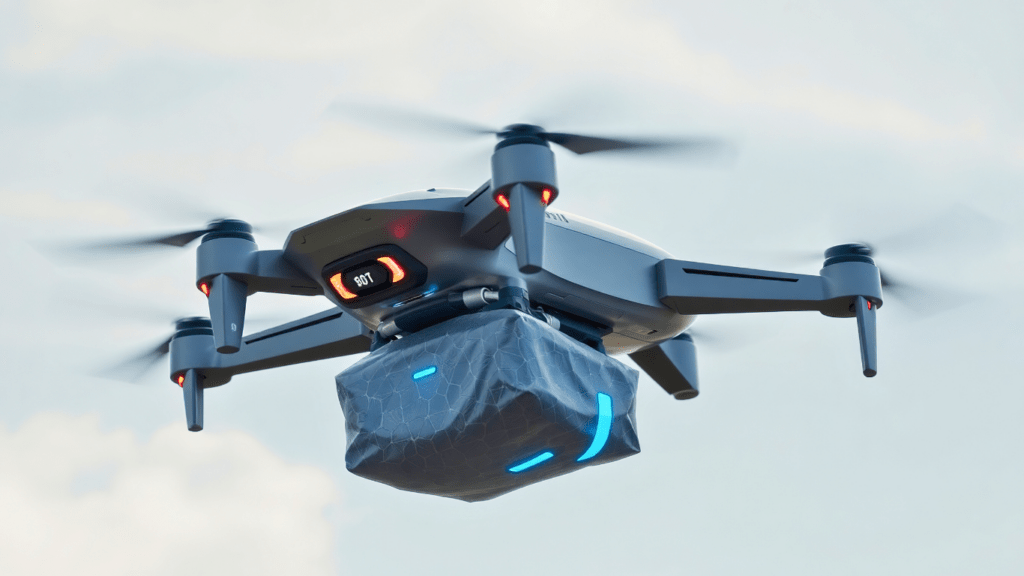
A Drone Running Out of Battery Life is One of the Challenges in Drone Delivery Services.
Drone delivery may sound like a scene straight out of a sci-fi flick, but let’s be real, making it work is no walk in the park. For starters, airspace regulations are basically the “Terms and Conditions” of the sky: complicated, lengthy, and guaranteed to make your head hurt. And while drones are great at zipping around, they’re not exactly fuel-efficient when every minute counts, leaving battery life as a glaring Achilles’ heel. You’d think with all this futuristic tech, they’d at least throw in a better battery, but no—apparently, even robots need a recharge after flying a few miles.
Then there’s the whole “not crashing into stuff” thing, which, as it turns out, is harder than it looks. Avoiding trees, buildings, and random birds with an attitude is a full-time job. Add in unpredictable weather, and it’s like asking your drone to star in a real-world video game—except the stakes are your sushi delivery or someone’s much-needed medication. No pressure, right?
But don’t worry, engineers are basically living on caffeine and ambition to tackle these issues. Smarter navigation systems? Check. Air traffic tech that doesn’t turn the sky into a bumper car arena? In the works. And battery improvements? Let’s just say scientists are geeking out over power efficiency like it’s the next big superhero movie. It’s a wild ride, but hey, what else would you expect when your deodorant has a better travel plan than you?
Future of Drone Deliveries
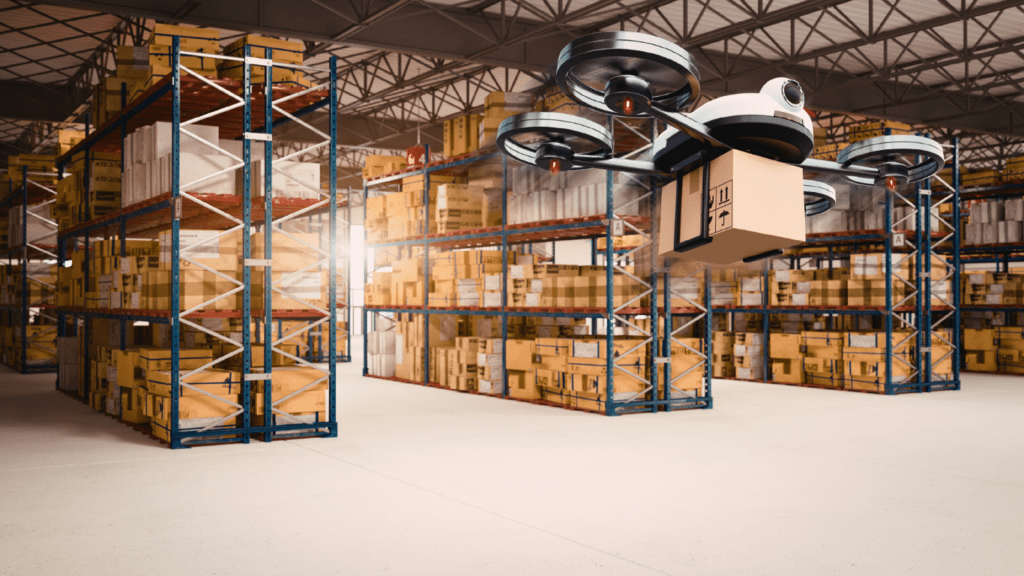
Drones Could Be Used in Shipping Warehouses in the Near Future.
Alright, let’s fast forward a bit—drone deliveries are only going to get more impressive. We’re talking about a world where you can order your favorite snack, a pair of socks, and maybe even a toothbrush at 2 a.m., and a flying robot will casually drop it off before you’ve even had time to regret your late-night impulse buys. The possibilities are as endless as the reasons you tell yourself you “need” that one extra gadget.
What’s really exciting is how these little delivery dynamos are poised to go way beyond just e-commerce. Imagine a future where drones are practically part of your neighborhood watch—except instead of nosy neighbors, they’re delivering groceries, prescriptions, or even pizza that still has its cheesy stretch intact. Rural areas? Covered. Crowded urban centers? Easy. It’s like they’re designing these things to shame every other delivery method we’ve ever relied on.
And here’s the kicker: companies are throwing so much brainpower at this technology; it’s like they’re all trying to win the “Coolest Tech Toy” award. From figuring out how to make drones quieter (so your neighbor won’t yell at them) to building smarter marketing networks that can coordinate hundreds of deliveries at once, it’s clear the sky is becoming prime real estate for innovation.
Sure, there are challenges—there’s always some red tape or weather tantrum waiting to stir the pot—but come on, this is the same species that put a rover on Mars. If we can do that, we can definitely figure out how to get your iced coffee delivered without spilling half of it in the process. So, buckle up (metaphorically, of course)—the skies are about to get a lot more interesting, one drone delivery at a time.
Conclusion
As you can now see, drone delivery services are something that could become reality in the near future. However, it is something that experts said would already be part of daily life. Will drone delivery truly be a thing of the future or will be another broken promise? Only the future will tell!
For more articles on how drones can be used for numerous purposes, be sure to read our following related articles. Also, don’t forget to check out our most asked questions with answers about drone delivery services.
To provide the best experiences, we use technologies like cookies to store and/or access device information. Consenting to these technologies will allow us to process data such as browsing behavior or unique IDs on this site. Not consenting or withdrawing consent, may adversely affect certain features and functions.
Functional
Always active
The technical storage or access is strictly necessary for the legitimate purpose of enabling the use of a specific service explicitly requested by the subscriber or user, or for the sole purpose of carrying out the transmission of a communication over an electronic communications network.
Preferences
The technical storage or access is necessary for the legitimate purpose of storing preferences that are not requested by the subscriber or user.
Statistics
The technical storage or access that is used exclusively for statistical purposes.The technical storage or access that is used exclusively for anonymous statistical purposes. Without a subpoena, voluntary compliance on the part of your Internet Service Provider, or additional records from a third party, information stored or retrieved for this purpose alone cannot usually be used to identify you.
Marketing
The technical storage or access is required to create user profiles to send advertising, or to track the user on a website or across several websites for similar marketing purposes.