
The Digital Toolkit That Helps Small Businesses Thrive
Eliza McRee
Guest Author
Date Published: 12/1/2025

Small business owners juggle dozens of responsibilities every day — marketing, operations, customer service, finance, and the constant hunt for efficiency. Digital tools can act as silent teammates: automating tasks, sharpening decision-making, and creating smoother customer experiences. When used deliberately, the right software stack doesn’t just save time — it compounds growth.
Table of Contents
Quick Snapshot
Before diving deep, here’s the gist: focus on tools that improve how you attract customers, communicate with them, manage operations, and make decisions. Skip the noise. Stick to what delivers leverage.
Communication Platforms That Keep Everything Moving

Modern businesses need all team members — even if it’s just you and one part-timer — to communicate clearly. Tools like Slack, Microsoft Teams, and Google Chat give you organized, searchable conversations. Pair them with video platforms such as Zoom or Google Meet and you suddenly have everything needed for sales calls, vendor check-ins, and customer support.
These platforms reduce email dependency and prevent details from getting lost in long threads. The real advantage? Faster decisions and fewer bottlenecks.
How to Spot Gaps in Your Digital Workflow
Use this to spot gaps quickly:
1.Do you have one reliable place to manage projects and deadlines?
2.Is customer communication consistent across email, chat, and social?
3. Can you track your marketing performance in real time?
4. Do you use automation to reduce repetitive tasks?
5.Is financial data stored in an organized, accessible way?
6.Can customers pay you easily from any device?
7.Do you have a place to store key documents securely?
8. Are cybersecurity basics covered?
9. Do you have clear visibility into inventory, scheduling, or service delivery?
10. Do all tools integrate with each other or at least avoid creating extra work?
Essential Platforms for Boosting Your Reach
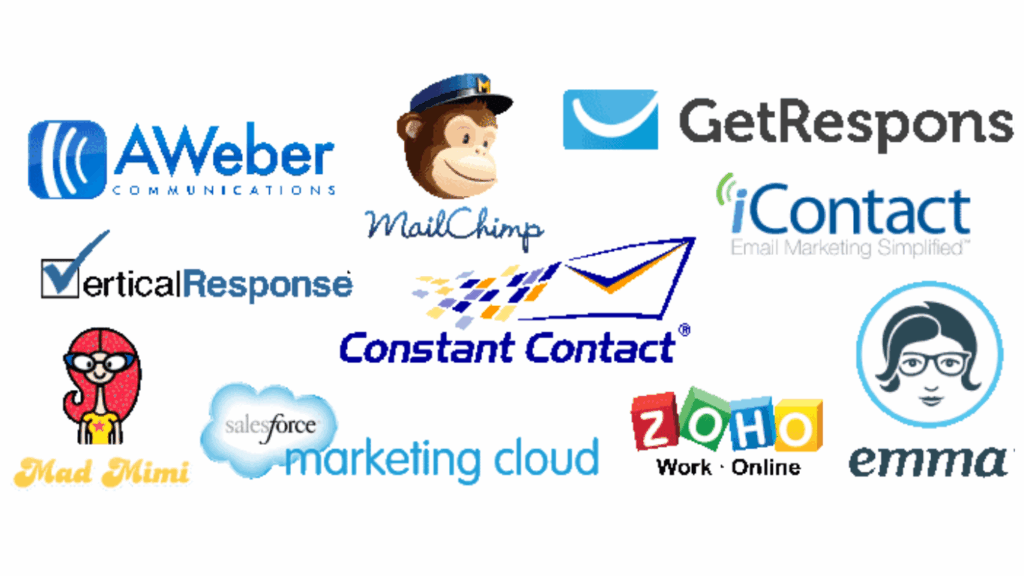
Marketing platforms serve as the growth engine for small businesses. Tools like Mailchimp, Constant Contact, and Klaviyo make email marketing manageable even if you’re not a copywriter. Social scheduling tools such as Buffer or Later help keep your presence active without daily effort. And analytics suites — Google Analytics, Search Console, and even simple dashboard tools — reveal which channels truly bring in customers.
Where Professional Guidance Fits
Outside help can accelerate progress. Adept Motions works with small businesses looking to strengthen their online presence with the right mix of strategy, content, and analytics. Their approach makes it easier for business owners to streamline marketing efforts and reach ideal customers more effectively. Leveraging partners like Adept Motions can fast-track growth and set the foundation for long-term success.
Project Management Tools That Prevent Chaos
When operations grow messy, everything slows down. Tools like Trello, Asana, ClickUp, or Notion help create order. With them, you can assign tasks, track deadlines, build repeatable processes, and visualize workloads. Small teams benefit the most: instead of work living in someone’s head, workflows are shared, visible, and predictable. This kind of structure reduces stress and makes execution consistent — essential traits as a business scales.
What Each Tool Type Helps You Accomplish
Category |
|---|
Communication |
Marketing |
Operations |
Finance |
Sales Tools |
E-Commerce |
What It Solves |
|---|
Team alignment & faster decisions |
Customer acquisition & engagement |
Workflow clarity & time savings |
Cash flow tracking |
Lead nurturing & pipelines |
Easy online selling |
Examples |
|---|
Slack, Teams, Zoom |
Mailchimp, Buffer, Later |
Asana, Trello, Notion |
QuickBooks, Wave, FreshBooks |
HubSpot, Pipedrive |
Shopify, Squarespace, Etsy |
Best For |
|---|
Service businesses, remote teams |
Retail, creators, local service brands |
Agencies, trades, multi-step services |
Any business needing clean books |
B2B, high-touch sales |
Product sellers |
Picking Digital Tools Without Getting Overwhelmed
1.Identify your bottleneck — marketing, fulfillment, communication, or finance.
2. Choose a tool with minimal setup. Complexity slows adoption.
3. Start with one workflow. Implement email marketing or task management first, not everything at once.
4. Test integrations later. Expansion comes after consistency.
5. Measure impact within 30 days. Keep tools that reduce effort or improve revenue.
How Education Can Strengthen Your Digital Strategy
Some business owners find that formal learning boosts their confidence when managing web-based projects. Earning a degree can provide structure, discipline, and deeper understanding of subjects that directly support digital operations. If protecting your systems matters — and it does — exploring an online cybersecurity degree can help you better safeguard your computers and networks. Pursuing your studies online also makes it easier to keep learning while still running your business. To explore program options, check this out.
FAQs
Start with a project management platform so you can track tasks, deadlines, and ideas from day one.
Free tiers work well initially. Upgrade only when you hit limits like user caps or missing analytics.
Measure time saved, fewer mistakes, better communication, or clearer insight into performance.
If you spend more time managing your tools than using them, consolidate.
Conclusion
Digital tools aren’t magic, but they create leverage. When chosen carefully, they strengthen communication, streamline operations, and fuel marketing momentum. Small businesses don’t need complex systems — they need clarity, consistency, and marketing solutions that reduce friction. Start simple, focus on impact, and let your tool stack mature alongside your business.
Related Articles