Why Drones Are the Unexpected Heroes of Animal Rescue

Author: Rick Moore
Owner & Founder
Date Published: 11/17/2025
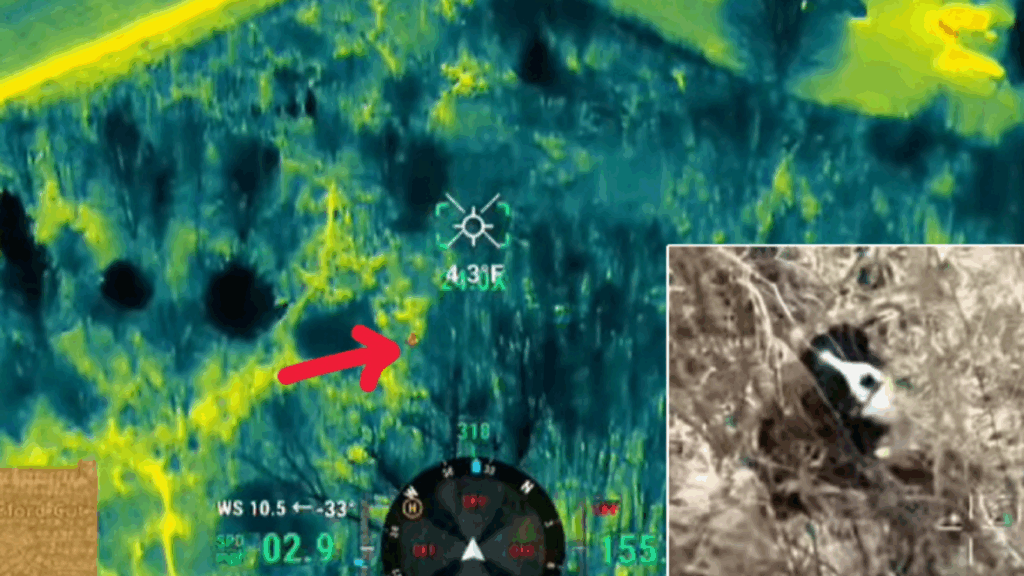
Table of Contents
Introduction to Drone Technology in Animal Rescue
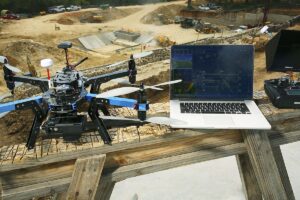
Drones in animal rescue? Sounds like something straight out of a sci-fi flick, right? But nope, it’s real, and it’s way cooler than we could’ve imagined. These little flying machines have ditched their roles as glorified selfie sticks and amateur bird stalkers to become the MVPs of rescue missions. Honestly, who knew these buzzing gadgets could do more than just annoy your neighbor’s cat?
Imagine this: instead of stumbling through bushes and shouting your lost pet’s name like a lunatic, you’ve got a drone zipping through the sky, spotting furballs with its high-tech eyes. It’s like having a private detective on wings—minus the trench coat and magnifying glass. Whether it’s rugged mountains or dense forests, drones go where humans can’t (or, let’s be real, don’t want to). They’re like the friends who volunteer to climb into the attic while you hang back holding the flashlight.
And let’s not forget the “cool factor.” There’s just something wildly satisfying about watching a sleek drone zip off on a mission all while you stay planted firmly on the ground, coffee in hand. Suddenly, saving animals feels less like an exhausting chase and more like the plot of an action movie you didn’t know you were starring in. Move over, James Bond—there’s a new gadget in town, and it’s stealing the spotlight.
Enhanced Search Capabilities
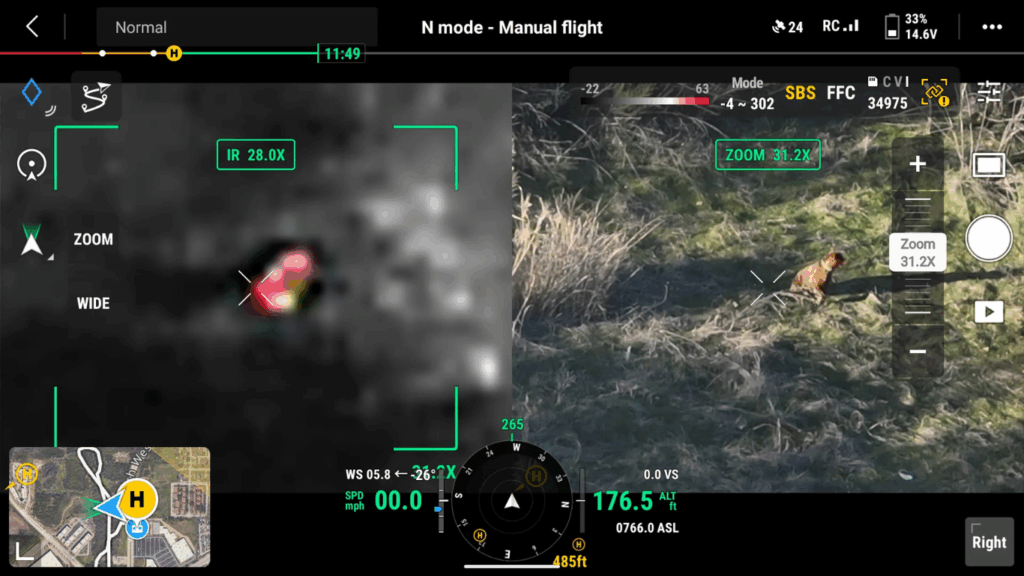
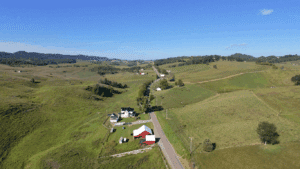
Ever felt like finding a lost animal is like looking for a needle in a haystack, except the haystack is the size of a national park? Enter drones, the ultimate cheat code for tracking down runaway pets. These sky-high lifesavers can cover ground faster than your dog bolts after a squirrel, scanning huge areas while you’re still trying to figure out which way is north on your map app.
Thanks to their super fancy cameras and sensors, drones can pick up details the human eye would totally miss—like your dog’s wagging tail peeking out from behind a bush or your adventurous cat lounging in a tree like it’s on vacation. And while you’re squinting into the distance wondering if that’s a raccoon or your lost Labrador, the drone’s already locking in on the target like a high-tech bloodhound that doesn’t need snack breaks.
But here’s the best part: no trudging through mud, no itchy mosquito bites, no frantic yelling of your pet’s name while every bird in the area flies off in terror. Drones make the search look effortless, which, let’s face it, is way more their vibe than ours. Because why chase after a missing furball when you can have a flying gadget do the hard work while you just stand there, looking impressive?
Cost-Effective Solution

Drones aren’t just cool; they’re thrifty little lifesavers. Think about it: fewer people stomping around the wilderness, fewer tanks of gas for search vehicles, and way fewer energy drinks for those all-night searches. Instead of sending out an army of volunteers armed with flashlights and questionable directions, you can launch a drone to do the heavy lifting. It’s like swapping out a parade of searchers for one efficient, sky-high worker bee that doesn’t even ask for a coffee break.
And speaking of saving, these gadgets aren’t just helping rescue budgets—they’re sparing everyone’s sanity too. No more spending hours printing out flyers or organizing chaotic search parties that feel more like family reunions gone wrong. With drones, it’s point, fly, and get results. The money that would’ve gone to overtime pay or extra supplies. Now it’s free to be funneled into the stuff that really matters, like better equipment or treating rescue team members to a pizza party that isn’t just leftover cheese slices.
Sure, drones have an upfront price tag, but compared to the endless expenses of traditional methods, they’re practically a bargain bin steal. So while these little tech marvels are out there saving animals, they’re also saving wallets. Who knew being a hero could also mean being budget-savvy?
Increased Safety for Rescue Teams
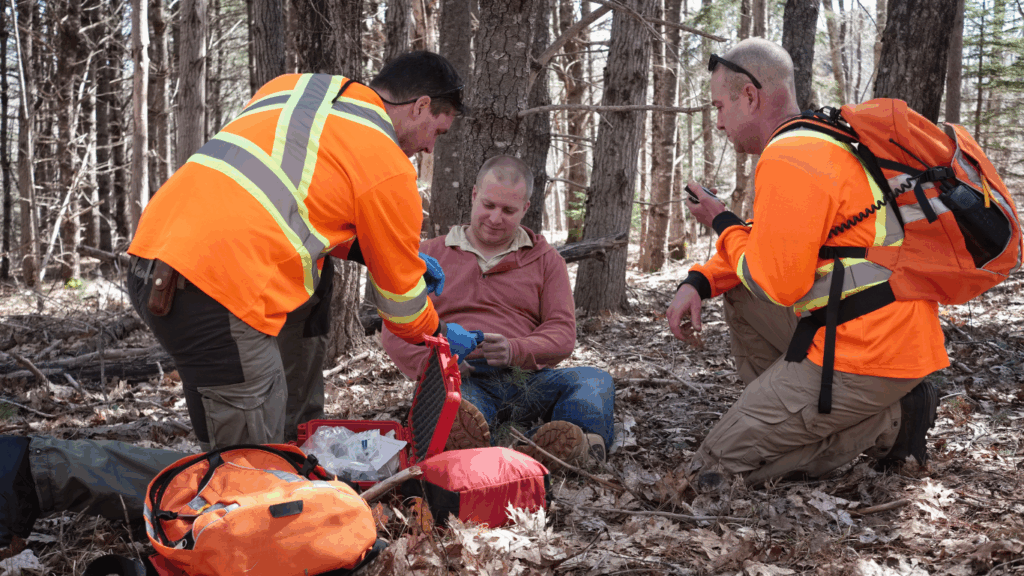
You know what’s not on anyone’s bucket list? Wading through snake-filled swamps or dangling off cliffs like some low-budget action hero during animal rescue efforts. That’s where drones come in—because sending a flying gadget into the danger zone is way better than risking life and limb. These little machines take one for the team, flying over rough terrains and hazardous areas so humans don’t have to. It’s basically like having a stunt double, except the drone doesn’t need insurance or a pep talk before taking the plunge.
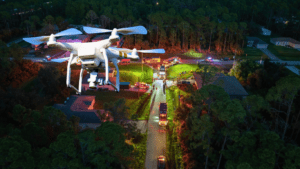
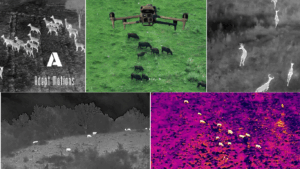
And let’s talk about nighttime searches. Creeping through the woods in the dark? Hard pass. Drones equipped with thermal cameras can see what we can’t, like your runaway pet hiding out while you’re busy tripping over tree roots. It’s almost like they were designed to make us look bad at our own jobs; except we’re not mad about it.
Oh, and for those of you who think you’re invincible (you know who you are), drones are a much-needed reality check. They take on the risky spots, leaving you free to play it safe and act like you meant to stay on solid ground all along. So yeah, drones aren’t just rescuing animals, they’re rescuing us from ourselves.
Real-Time Data and Feedback
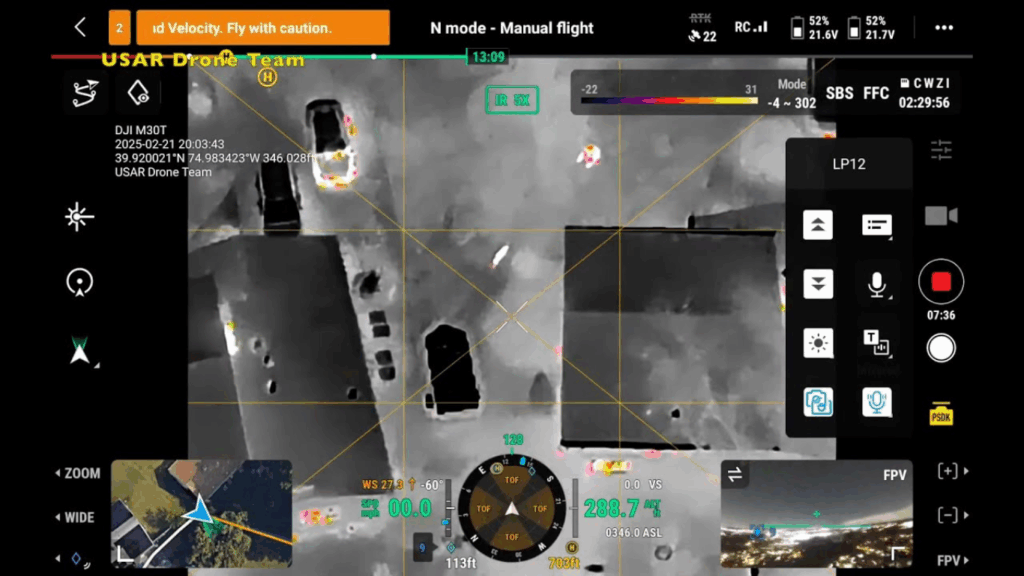
Let’s be real, trying to navigate the wilderness without real-time info is like attempting to assemble IKEA furniture without the instructions. Enter drones, the overachieving tech sidekicks that make sure lost animal rescue teams aren’t just stumbling around like lost tourists. These flying geniuses send live visuals straight to your screen, turning the chaos of a search into something that actually makes sense. Forget the guesswork; drones dish out updates faster than you can shout “Found it!”, and without the added drama of losing cell service in the middle of nowhere.
And because drones are basically the Sherlock Holmes of the skies, they capture all kinds of useful info that your brain wouldn’t even think to ask for. Terrain details, heat signatures, potential hiding spots, they’re out here doing reconnaissance like it’s a spy movie. Plus, every bit of data they gather is stored away for future use, so next time someone’s furry Houdini makes a break for it, the rescue team is already ten steps ahead.
Oh, and let’s not ignore how satisfying it is to adjust your search plan mid-mission while feeling like the star of your own action thriller. All thanks to drones, the tech MVPs that are making sure you’re not just out there winging it (pun intended).
Success Stories of Drones in Animal Rescue
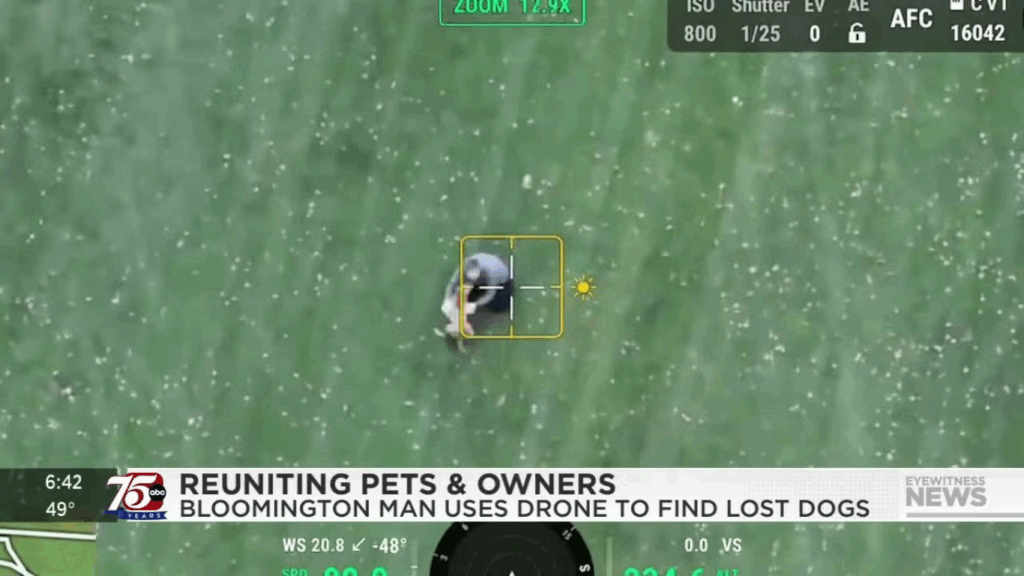
You wouldn’t think a buzzing flying machine could have a heartwarming resume, but drones have been out here proving everyone wrong. Picture this: a drone zips over a sprawling forest, spots a scruffy dog stuck in a ravine, and guides rescuers straight to the spot. That’s not science fiction—that’s Tuesday in the world of drone-aided animal rescue. Or how about the time one of these sky heroes located a herd of horses stranded after a flood, leading rescue teams to them before things went from bad to worse? Drones aren’t just saving the day—they’re practically writing their own action-packed memoirs.
And these stories don’t stop at domestic pets or farm animals. Wildlife organizations have jumped on the drone train too, using them to track and save injured wildlife without causing further stress. Think about it: no loud search parties stomping around, just a discreet gadget swooping in to assess the situation and make life easier for everyone involved; especially the critters.
Plus, let’s give it up for the sheer efficiency. Take a task that would’ve needed dozens of people and hours of searching, and suddenly, a single drone gets it done before anyone’s coffee gets cold. It’s a game-changer, and rescue teams can’t stop singing their praises. Turns out, the MVP of modern animal rescue isn’t some heroic figure in a cape, it’s a humble flying gadget that gets the job done with zero fuss and a whole lot of flair.
Future of Drones in Animal Rescue
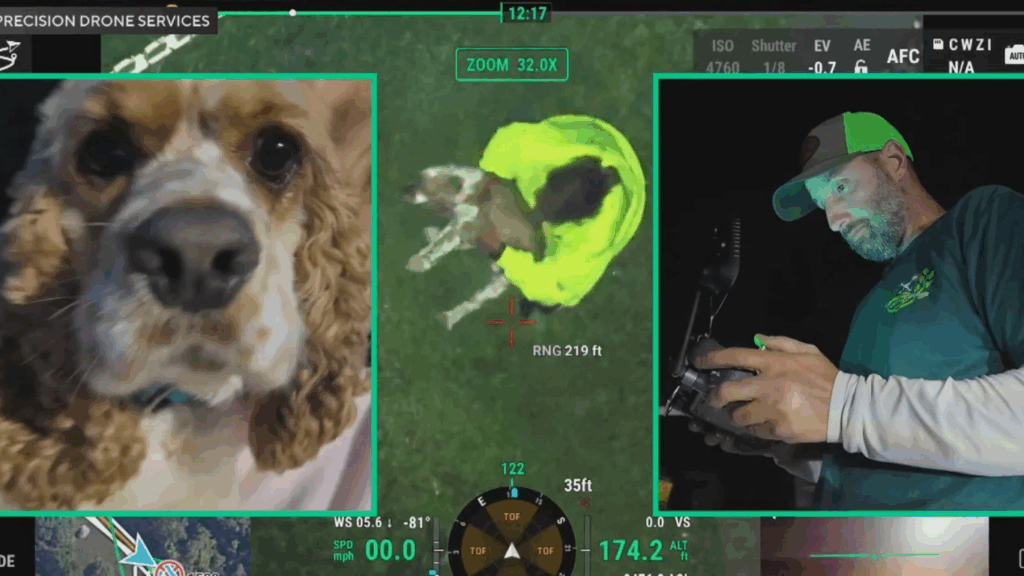
Imagine a world where drones are even smarter, faster, and, dare we say, a little sassier. Future drones could come equipped with ultra-advanced tech that makes today’s models look like clunky prototypes. We’re talking extended battery life, sharper sensors, and the kind of precision that would make an eagle jealous. Maybe they’ll even come with built-in speakers to calm lost animals with soothing tunes or, more likely, play “Eye of the Tiger” while they swoop in for the rescue.
As more communities invest in these sky wonders, animal rescue is set to get a serious glow-up. The best part? It’s not just about finding pets faster; it’s about doing it smarter and with fewer resources wasted. Picture drones working alongside rescue teams like they’re part of a high-tech squad, making rescues quicker, safer, and way less of a headache.
And let’s not rule out some wild advancements, like drones that can drop tiny care packages to stranded animals or beam live video feeds to pet owners so they can virtually reassure their wayward fur babies. The possibilities are endless, and honestly, we’re here for all of it. The future of animal rescue? It’s looking pretty sky-high.
Conslusion
As you can now probably see, drones have become an extremely important part of lost animal rescue. This is not just for pets, but for livestock, and cattle as well. For more information on how drones can be used in different industries to make the job easier be sure to read our following related articles. Also, don’t forget to take a look at our most FAQs with answers regarding drones and lost animal rescue.
FAQs
Lost your pet and feeling like you’ve searched every inch of the planet? Enter drones, the little flying machines that are here to save the day—and your sanity. These gadgets come with cameras and GPS, making them way better at finding your furry Houdini than your neighbor yelling their name in the woods. Plus, drones can swoop over areas you’d probably sprain an ankle trying to hike through. They’re fast, efficient, and, let’s face it, way cooler than tying a “Lost Dog” poster to a telephone pole. It’s like hiring a high-tech superhero to track down your runaway pet. Who knew finding Fluffy could be this futuristic?
Let’s face it: drones are the overachievers of the lost pet world. While you’re out there squinting at bushes and calling out names like a lunatic, drones are effortlessly zooming over acres of terrain, spotting your furry escape artist with their fancy cameras. They’re basically the track stars of search and rescue, covering ground faster than your buddy with a flashlight and zero sense of direction. And don’t even get us started on the thermal imaging—because yes, these things can find a warm, fuzzy critter hiding in the dark while you’re tripping over tree roots. It’s like they were built to make the rest of us look bad—and honestly, we’re okay with it.
Relax, drones aren’t here to freak out your pets or turn them into internet conspiracy theorists. Operators are trained to keep a comfy distance, so your dog won’t think they’re being chased by a UFO. Plus, many drones are designed to be as stealthy as possible—quieter than your vacuum cleaner that sends your cat into hiding. Guidelines and local laws make sure nobody’s buzzing too close or stressing out the wildlife. So, while your pet might side-eye the weird flying thing, they’re way more likely to be rescued than rattled.
Let’s put it this way: while you’re still deciding which pair of shoes to ruin trekking through mud, a drone has already covered half the neighborhood. These little marvels don’t need snack breaks or a motivational pep talk; they just get the job done. With features like thermal imaging and GPS, drones can spot a hiding pet way faster than your cousin who swore he’d help but got distracted by his phone. Plus, they’re way less likely to get poison ivy. Sure, traditional methods have heart, but drones bring the brains—and let’s admit it, we could all use the help.
To join the drone rescue squad, you’ll need a solid drone with a decent camera, GPS, and maybe some thermal imaging magic for those sneaky nighttime searches. Oh, and don’t forget extra batteries—these things eat power like your dog eats snacks. As for training, you’ll want to know how to fly the thing without crashing into trees or scaring squirrels. Bonus points if you can interpret camera footage without thinking every rock is your missing pet.
Related Articles