How AI-Generated Deepfakes Are Messing with Social Media

Picture of Rick Moore

Rick Moore

Owner & Founder
Date Published: 2/9/2026

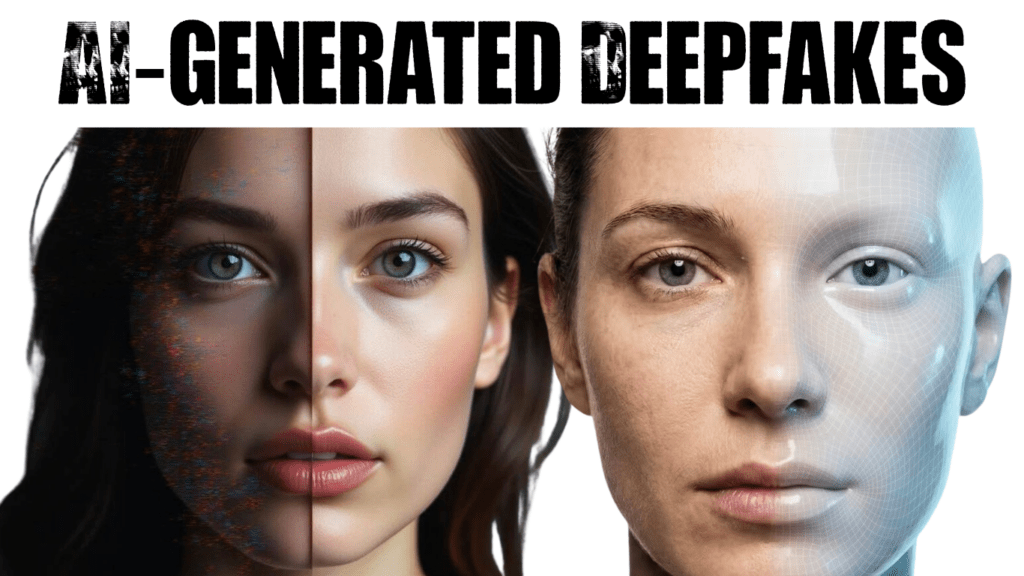
Ai-generated Deepfakes

Table of Contents

Introduction to AI-Generated Deepfakes

Imagine living in a world where you can’t even trust your own eyes. Well, congratulations, because you’re already there. AI-generated deepfakes are like the overly ambitious cousin of Photoshop—except instead of just erasing your ex from your vacation photos, they can stick anyone’s face on anything. Want to see yourself belting out an Adele ballad on stage? Deepfakes can make it happen. Cool party trick, right? But here’s the kicker: they’re not all fun and games. These digital chameleons are shaking up the internet, and not in a good way.

Think of them as the ultimate pranksters. They take videos and audio, splice them up, and create clips so convincing that even your most skeptical friend who still uses a flip phone wouldn’t suspect a thing. Sounds like sci-fi, but nope—it’s 100% here and ready to mess with your day.

And while these tech tricks can make for a good laugh (because, yes, seeing your boss starring in an action movie trailer is hilarious), they can also flip the script real quick. Suddenly, the idea of watching a video and knowing for sure it’s real feels as outdated as sending a fax. These digital magicians are rewriting the rules, and spoiler alert: those rules aren’t exactly in our favor.

Impact on Social Media Marketing

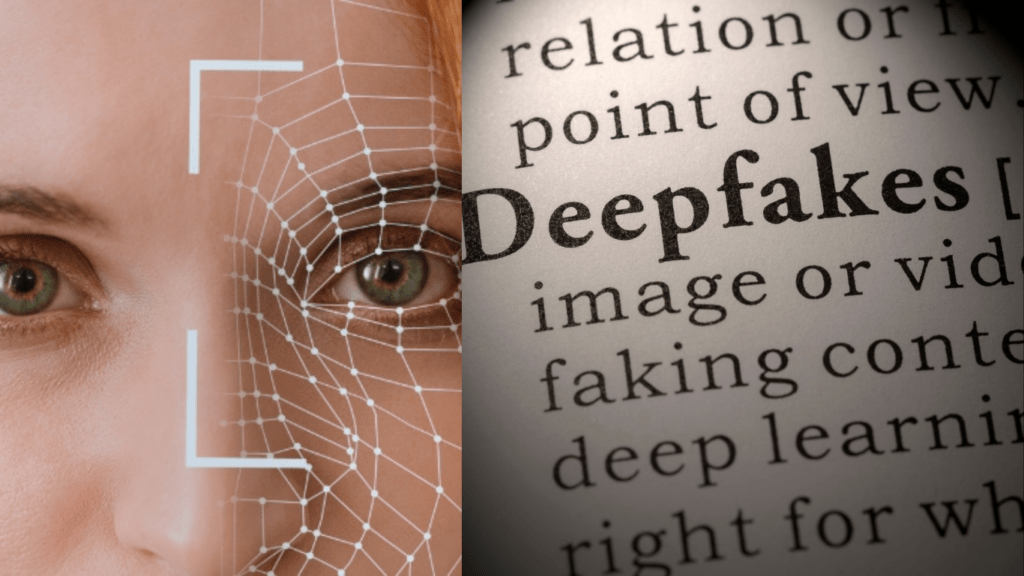
AI-generated Deepfakes definition.
Ai-Generated Deepfakes is Often Used as Social Media Content.

Let’s talk about what deepfakes are really doing to social media marketing, shall we? They’re basically the party crashers of the digital world—fun at first but quickly spiraling into chaos. Picture this: you spend hours crafting the perfect, heartfelt video to connect with your audience. And then, along comes a deepfake so convincing it makes your genuine effort look like an amateur TikTok attempt. Great, now you’re competing not just with other brands, but with literal fabrications. Fun times!

It gets worse. Deepfakes are turning “seeing is believing” into “seeing is… probably fake.” Your followers? They’re second-guessing everything. Did your competitor really launch a new product, or is that just some AI mischief? Was that shoutout from a celebrity legit, or is someone playing puppet master? That kind of doubt is like kryptonite for trust—and trust is the holy grail of social media marketing. Without it, your shiny campaigns lose their sparkle faster than a discount glitter bomb.

And let’s not forget the real cherry on top: the big-budget brands out there can throw money at the problem, hiring teams to sniff out fakes or create their own AI wizardry to stay ahead. Meanwhile, smaller brands are left shaking their fists at the screen, hoping their genuine content doesn’t get lumped in with the digital impostors. It’s like running a three-legged race against someone on a jetpack.

Challenges for Small Businesses

Ai-Generated Deepfakes Can Cause Many Challenges for Small Businesses.

Running a small business is already like juggling flaming swords while riding a unicycle, and now deepfakes are here to toss a wrench into the chaos. Sure, big brands can throw piles of cash at tech solutions, but for you? Your marketing budget probably has more in common with your office coffee fund than a Fortune 500 ad campaign. Let’s be real, even splurging on a fancy video editor might feel like a luxury.

The problem is, these sneaky digital forgeries make it harder for your genuine, heartfelt efforts to shine. You’re out here putting in real work—crafting posts, replying to comments, trying to connect—and meanwhile, AI is out there generating fake celebrity endorsements or bizarrely perfect product videos. It’s enough to make anyone want to flip a table.

And as if things weren’t already tricky, this tech can create confusion around who’s legit and who’s a knockoff. If a fake video featuring your brand starts circulating, good luck convincing everyone it wasn’t you. Damage control isn’t exactly a cakewalk when you’re the marketing team, CEO, and janitor all rolled into one. Plus, staying on top of all this while competing with the bigger players who have the resources to outpace deepfake chaos? It’s a bit like trying to win a karaoke contest against someone who brought their own backup dancers.

At the end of the day, navigating this mess can feel overwhelming, especially when the stakes are your reputation. Every moment spent worrying about the latest AI headache is time stolen from actually growing your business. Because, let’s face it, you didn’t sign up to fight deepfakes—you just wanted to share your amazing products or services with the world.

Protecting Your Brand

Being Aware of Ai-Generated Deepfakes is Important in Order to Protect Your Brand that You Worked Hard to Build.

Let’s face it, deepfakes are out there doing the digital version of impersonating you at a karaoke bar—badly, and without your permission. But don’t panic just yet; there are ways to fight back without turning into a full-time tech detective. Step one: start keeping an eye on what’s being said (or shown) about your brand online. Think of it as the modern-day version of checking to make sure nobody’s stealing your lunch from the office fridge. A quick search every now and then can help you spot anything fishy before it snowballs into a PR nightmare.

Next, double down on connecting with your audience. No, you don’t need to become the Oprah of social media but being transparent and accessible goes a long way in building trust. If your followers know the real you—your humor, your quirks, even your typos—they’re way less likely to fall for some AI-generated nonsense claiming otherwise. Authenticity beats fake every time.

Oh, and don’t forget your passwords. Seriously. This one sounds basic, but you’d be amazed how many deepfake dramas start because someone’s “123456” password didn’t exactly hold up under pressure. Beef up your account security with two-factor authentication and keep those cyber gremlins at bay.

Lastly, if you’re feeling fancy, consider watermarking your original content. Sure, it’s not foolproof, but it’s like slapping a “Keep Off the Grass” sign on your lawn—at least it makes things a little more annoying for potential copycats.

Legal and Ethical Considerations

Using Ai-Generated Deepfakes can Violate Some Laws & Regulations.

Ah, the legal and ethical minefield—because dealing with deepfakes wasn’t stressful enough, right? Here’s the deal: just because you can do something doesn’t mean you should. Yes, deepfake technology is shiny and impressive, but using it recklessly is like trying to win a bake-off with store-bought cookies—you’ll get caught, and no one will be impressed.

For starters, there are actual laws in place to keep this tech from turning into a free-for-all. Some states have regulations against using deepfakes to mislead people or mess with elections (because, shocker, people frown on that). And even if you’re not running for office, slapping someone’s face on a video without their consent can lead to lawsuits faster than you can say “cease and desist.” Spoofing someone’s identity isn’t just tacky; it’s a one-way ticket to legal drama.

Then there’s the ethical side of things. Sure, it might seem harmless to make a funny fake of a celebrity using your product, but think about the message you’re sending. Nobody wants to be the brand known for crossing the line between clever and creepy. Plus, misleading your audience, even as a joke, can backfire harder than trying to explain the “it was just satire” defense to an angry crowd on Twitter. Transparency matters, folks.

Bottom line? Don’t let the allure of deepfakes drag your brand into a PR nightmare or, worse, a court date. Play it safe, play it smart, and remember there are plenty of ways to stand out without stepping into ethically murky waters.

Strategies to Stay Ahead

Look, we’re not here to fight fire with fire—especially when that fire is a highly advanced AI that can put your face on a random TikTok dance video. The goal here isn’t to out-tech the deepfakes; it’s to out-human them. Start by doubling down on what makes your brand real. People can sniff out authenticity like a dog sniffing out snacks, and they love it when brands feel approachable and genuine. Show off your team, your behind-the-scenes chaos, or the overly enthusiastic cat that keeps showing up in your office.

Consistency is another lifesaver. If your audience gets to know your style—your humor, your tone, and the little quirks that make your brand stand out—they’re way less likely to fall for some overly polished AI-generated nonsense. Think of it like developing your signature—if someone tries to forge it, it’s obvious.

And while we’re on the subject, let’s talk about upping your interaction game. Don’t just post and ghost. Engage! Respond to comments, laugh at memes your followers share, and make your social media accounts a fun place to hang out. The more personal your connection, the harder it is for fake content to damage your reputation.

Now, if you’ve got some extra room in the budget (yes, I know—hilarious), you might consider investing in tools to monitor what’s being said about your brand. It’s like setting up a neighborhood watch but for your corner of the internet.

Finally, don’t stress over creating content that’s perfect. A typo or an awkward pause in a video? That’s just called being human, and honestly, it’s refreshing. You’re not trying to be a tech wizard; you’re trying to be relatable. And trust me, that’s worth way more than any AI-generated clip could ever be.

Conclusion

Ai-Generated Deepfakes are being used more often for creating content for both optimized web designs and social media platforms making it difficult to know what is real and what is not.  Personally, I advise to sticking to real authentic content. Not only does high-quality authentic content help you better connect with your customers, but it can also help improve your local online rankings.

For more information on how AI is shaking up the online marketing world, be sure to read our following related articles.  Also, don’t forget to check out our most asked questions with answers about Ai-Generated Deepfakes.

Ai-Generated Deepfakes leverage artificial intelligence to produce convincing audio or video manipulations, often indistinguishable from authentic content. This technology has gained attention for its ability to replicate voices and faces with stunning accuracy.

While it offers creative possibilities, such as enhancing media production or creating engaging visual effects, its development also raises critical ethical and security concerns. Deepfakes are becoming more accessible due to advancements in AI, leading to both opportunities and challenges in various industries. Understanding this technology is essential for navigating its potential applications and implications effectively.

Deepfakes are created using AI systems like generative adversarial networks (GANs), which include a generator to produce fake media and a discriminator to evaluate its authenticity. These systems refine their outputs by analyzing extensive datasets of images, videos, and audio to learn patterns and improve accuracy. Machine learning algorithms further enhance this process, enabling the creation of media that closely resembles real-life footage. The technology relies on increasing computational power and advanced AI models, making it possible to produce highly realistic manipulations that can mimic voices, facial expressions, and movements with precision.


Deepfakes are increasingly used in creative industries to produce engaging content efficiently. In film production, they enable realistic recreations of individuals or historical figures, allowing for unique storytelling possibilities. Advertising campaigns also benefit from this technology by incorporating personalized, attention-grabbing visuals tailored to target audiences. Small-scale businesses can utilize deepfakes to craft interactive promotions or enhance social media presence, making their marketing efforts more competitive.

Additionally, deepfakes are used in education and training, creating immersive simulations for various learning environments. With advancements in AI, their applications continue to expand across multiple fields, offering innovative ways to connect with audiences.

Deepfakes pose risks such as misuse for spreading false information or impersonating individuals, potentially causing harm to reputations and trust. The technology’s ability to fabricate convincing content opens the door for fraud, blackmail, and other malicious activities. Businesses may face challenges in protecting their brand image as fake media becomes harder to distinguish from reality. The lack of widespread awareness about this technology amplifies its potential for misuse, emphasizing the need for proactive measures and vigilance in online spaces.

AI detection tools examine subtle details like irregularities in facial movements or audio mismatches to uncover altered content. Techniques such as tracking inconsistencies in shadows, reflections, or frame rates can reveal hidden manipulations. Developers are also working on algorithms to spot deepfakes more effectively by analyzing unique data patterns. Accessing reliable detection software and staying informed about advancements in this area can help identify fake media, providing a critical layer of defense against potential risks.

Ai-Generated Deepfakes are expected to become more advanced, offering new possibilities in content creation and audience interaction. Improvements in AI could drive innovation in marketing and entertainment, while also demanding stronger safeguards against misuse. Striking a balance between leveraging the technology for positive applications and addressing ethical concerns will be key to navigating its future.

Related Articles